

Live Yatra Tracker
Amarnath Yatra 2026: The Definitive Guide to Routes
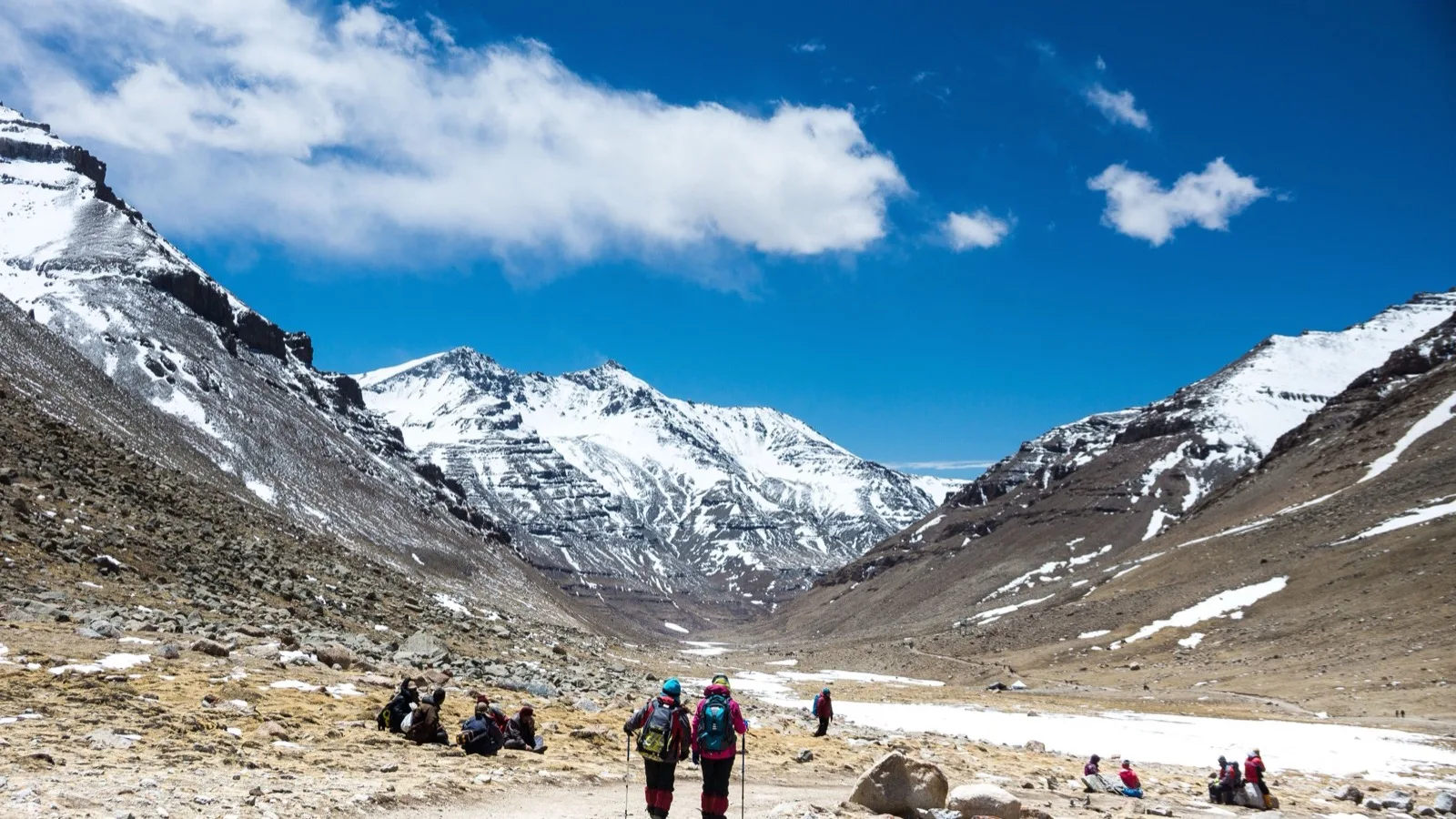
The annual Amarnath Yatra is one of the most logistically complex and spiritually significant high-altitude pilgrimages in the Hindu tradition.
 By Spiritual Yatra
19 min read
By Spiritual Yatra
19 min read

Amarnath Yatra 2026: The Definitive Guide to Routes, Registration, Helicopter Bookings, and Safety Protocols
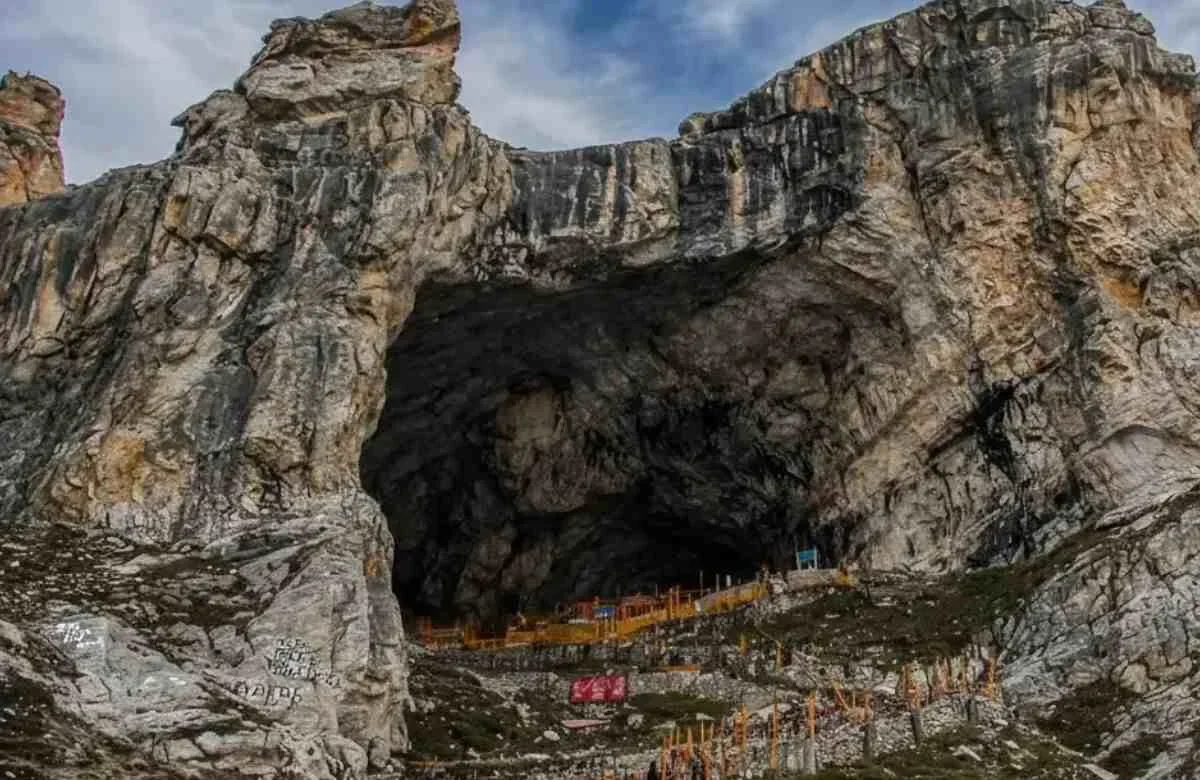
The annual Amarnath Yatra is one of the most logistically complex and spiritually significant high-altitude pilgrimages in the Hindu tradition. Situated at an elevation of 3,888 meters (12,756 feet) in the South Kashmir Himalayas, the holy cave shrine of Amarnath houses a naturally forming ice stalagmite, revered by millions as the physical manifestation of Lord Shiva. Coordinating the safe passage, health, transport, and shelter of hundreds of thousands of pilgrims across this fragile mountain terrain is a collaborative effort managed by the central government, local security forces, and the Shri Amarnathji Shrine Board (SASB).
The pilgrimage is highly sensitive to both environmental conditions and regional socio-political changes. A notable example of this sensitivity occurred in 2008 when the allocation of temporary land in Baltal to build pilgrim shelters led to regional political shifts and the eventual fall of the coalition government led by Chief Minister Ghulam Nabi Azad. For travelers, understanding the operational landscape, weather-dependent schedules, and strict regulatory frameworks is essential for a safe and spiritually fulfilling journey.
2026 Official Yatra Schedule and Critical Milestones
The timeline for the 2026 season has been designed to optimize crowd flow and minimize trail density. The schedule spans 57 days, a slightly longer operational window than previous years, intended to spread the pilgrim load evenly and reduce structural pressure on the high-altitude trails. The critical operational dates established for 2026 are detailed in the table below:
|
Yatra Milestone Event |
Scheduled Date in 2026 |
Operational and Spiritual Significance |
|
Pratham Puja |
June 29, 2026 |
The inaugural ritual performed on Jyeshtha Purnima to invoke spiritual blessings and initiate secure operations at the cave. |
|
Advance Registration Launch |
April 15, 2026 |
The official opening of online and offline registration channels across India. |
|
Official Commencement |
July 3, 2026 |
The opening of the twin access tracks (Pahalgam and Baltal) for permitted pilgrims. |
|
Online Registration Deadline |
August 17, 2026 |
The final date to submit digital applications, subject to remaining daily quotas. |
|
Official Conclusion |
August 28, 2026 |
The final day of the pilgrimage, aligning with the auspicious festival of Raksha Bandhan. |
A crucial factor for planning is the natural lifecycle of the ice lingam. The ice structure is most visible during the early phase of the Shravan month. Observations indicate that the ice lingam is best viewed between July 1 and July 20, after which it tends to diminish or melt due to seasonal temperature rises and the latent heat from dense crowds. Because of this natural cycle, there is a significant spike in pilgrim density during the first three weeks of July. To manage this, the SASB enforces a strict daily limit of 10,000 pilgrims per land route, ensuring that no more than 20,000 foot-travelers enter the tracks on any given day.
The Registration Framework: Online, Offline, and International Channels
To systematically manage the carrying capacity of the fragile mountain ecosystem, advance registration is mandatory for all pilgrims. The registration process is split into domestic online, domestic offline, and international/NRI channels, each requiring biometric verification and health pre-screening.
Eligibility and Demographic Restrictions
To mitigate the physiological risks of rapid ascent to high altitudes, the SASB enforces strict age and health limitations:
- Age Limits: Only individuals aged between 13 and 70 years are permitted to register. Anyone under 13 or over 70 is systematically barred from obtaining a permit.
- Pregnancy Restrictions: Women who are more than six weeks pregnant are strictly prohibited from undertaking the journey, regardless of physical fitness or medical certification.
- Medical Fitness: A Compulsory Health Certificate (CHC) issued by an authorized state-designated medical professional on or after April 8, 2026, is a non-negotiable prerequisite for all registration pathways.
- Medical Contraindications: Individuals with diabetes, asthma, high blood pressure, or a history of heart attacks or coronary bypass surgery are advised to avoid the trek entirely due to the extreme cold and low oxygen levels.
Domestic Online Registration Process
The online pathway is designed for rapid processing and utilizes the official SASB portal to generate digital permits:
- Access and Profile Creation: Pilgrims must log onto the official SASB portal (jksasb.nic.in) or use the "Shri Amarnathji Yatra" mobile application to create a profile using a verified mobile number and email address.
- Data Entry and Document Upload: After logging in, the pilgrim fills out the detailed demographic form, specifying their name, Aadhaar card number, emergency contact details, preferred travel date, and chosen route (either Baltal or Pahalgam). They must then upload a scanned color copy of the authorized CHC and a recent passport-sized photograph.
- Verification and Fee Payment: Once the uploaded documents are verified, the system generates a secure payment link. A registration fee of approximately ₹220 per pilgrim is paid online via credit/debit card or net banking.
- Permit Generation: After successful payment, the system generates a downloadable Yatra Permit featuring a unique QR code, which must be printed and carried physically throughout the journey.
Domestic Offline Registration Process
For pilgrims who prefer physical registration, the SASB has authorized a network of 554 bank branches across India, including the State Bank of India (SBI), Punjab National Bank (PNB), Jammu & Kashmir Bank, Yes Bank, and Axis Bank.
- Branch Visit: Pilgrims must physically visit an authorized bank branch starting April 15, 2026. Registrations are processed on a first-come, first-served basis, subject to a daily route-wise quota.
- Biometric eKYC Verification: The pilgrim must present a physical Aadhaar Card at the bank terminal for a biometric fingerprint scan. If verification succeeds, the system auto-populates their personal data. If the scan fails, bank personnel manually enter the details and capture a live webcam photo.
- Document and Fee Submission: The pilgrim submits the physical, completed application form, the authorized CHC, passport-size photographs, and deposits the physical registration fee of ₹150 per person.
- Permit Issuance: Upon successful verification, the bank prints a system-generated Yatra Permit detailing the pilgrim's designated route (either "BALTAL" or "PAHALGAM"), travel date, and a unique tracking QR code. This permit must be signed and stamped by the bank officer to serve as an official travel pass.
Registration Process for NRIs and Foreign Nationals
Non-Resident Indians (NRIs) and foreign citizens must register through a dedicated email-based channel facilitated by Punjab National Bank (PNB) :
- Required Documentation: Applicants must email clear, scanned color copies of a completed application form, a valid Passport, a passport-size photograph, a valid CHC (issued by the national health service of their country on or after April 8, 2026), and transaction proof of the registration fee.
- Fee and Bank Details: The registration fee is ₹1,550 per pilgrim, which must be sent via international wire transfer to the designated PNB account in Jammu :
- Bank Name: Punjab National Bank
- Branch: Rehari Branch, Jammu
- IFSC Code: PUNB0079400
- SWIFT Code: PUNBINBBJTS
- Account Number: 0794000101212056
- Submission Channel: Email all documents to the IT Department, PNB Circle Office, Jammu at [email protected].
- Permit Collection: Upon approval, PNB communicates via email. The physical permit can be collected from a designated PNB branch in Jammu or Srinagar upon arrival, or received digitally via email.
Consolidated Registration Fees
The SASB structure has a tier-based registration fee system depending on the booking channel and the pilgrim's residential status. The table below lists the standardized fees:
|
Registration Category |
Fee per Pilgrim |
Operational Channel |
|
Domestic Offline |
₹150 |
Designated bank branches (SBI, PNB, J&K, Yes, Axis) |
|
Domestic Online |
~₹220 |
Official SASB website and mobile application |
|
Group Registration (10+ Pax) |
₹150 |
Bulk processing via designated bank branches |
|
NRI and Foreign Nationals |
₹1,550 |
Electronic application with international wire transfer to PNB |
SASB Official Cancellation Charges
If a pilgrim needs to cancel their travel plans or packages, the SASB enforces a standardized refund deduction schedule :
|
Cancellation Timeline |
Deduction Penalty |
Refund Eligible |
|
More than 41 days before travel |
20% of the booking value |
80% of the total amount |
|
31 to 40 days before travel |
30% of the booking value |
70% of the total amount |
|
15 to 21 days before travel |
65% of the booking value |
35% of the total amount |
|
8 to 14 days before travel |
80% of the booking value |
20% of the total amount |
|
Less than 8 days before travel |
100% of the booking value |
No refund available |
Comparative Route Logistics: Pahalgam vs. Baltal
Pilgrims have two distinct geographic corridors to reach the Amarnath Cave: the traditional Southern route via Pahalgam, or the steep Northern route via Baltal. Choosing the correct route is a critical safety and comfort decision that depends on physical fitness, age, and acclimatization needs.
PAHALGAM ROUTE (Traditional & Scenic)
Pahalgam (2,130m) ────> Chandanwari (2,895m) ────> Pissu Top
│
Panchtarni (3,657m) <──── Sheshnag Lake <──┘
│
└────> AMARNATH HOLY CAVE (3,888m)
^
│
│
Baltal (2,730m)
BALTAL ROUTE (Short & Steep)
The Pahalgam Route (Southern/Traditional)
The Pahalgam route represents the historical pathway utilized for centuries. It features a broader, more gradual ascent, allowing the human body to adapt slowly to the dropping atmospheric pressure and oxygen levels.
- Acclimatization Advantage: Because the trek is spread over 3 to 5 days, the incidence of acute mountain sickness (AMS) is statistically much lower.
- Terrain and Infrastructure: The path is wider and less prone to immediate blockages than the Baltal track. It passes through dense pine forests, scenic valleys, and beside the Lidder River, offering extensive support infrastructure, including state-run medical camps and non-profit food stalls (langars) at every major stop.
- Key Milestones:
- Pahalgam to Chandanwari (16 km): Motorable road; covered via local taxis in approximately 1 hour. This is the official starting base camp.
- Chandanwari to Pissu Top (3 km): A steep, challenging climb immediately after the base camp that tests the cardiac limits of walkers.
- Pissu Top to Sheshnag (9 km): A gradual climb offering views of the high-altitude Sheshnag Lake, where pilgrims typically halt for their first night.
- Sheshnag to Panchtarni (14 km): The most challenging segment of the route, requiring crossing the Mahagunas Pass at 4,276 meters (14,028 feet) before descending to the cold meadows of Panchtarni at 3,657 meters.
- Panchtarni to Cave (6 km): A final, relatively flat trek that converges with the Baltal route at Sangam before reaching the cave.
The Baltal Route (Northern/Express)
The Baltal route is a modern trail designed for rapid transit. It is highly compressed but physically unforgiving, characterized by extremely steep inclines and narrow, zigzagging pathways carved into rugged mountain cliffs.
- Physical Demands: The rapid elevation gain from Baltal (2,730 meters) to the cave (3,888 meters) over just 14 km frequently triggers breathlessness and severe exhaustion. It is strictly recommended for young, highly fit, or experienced trekkers.
- Terrain Vulnerability: The trail is narrow and rocky, meaning sudden rain can make the track highly slippery, and minor landslides can halt traffic completely.
- Key Milestones:
- Baltal to Domel (2.75 km): A flat, easy walk that acts as the primary military and administrative check gate.
- Domel to Brarimarg (6 km): A continuous, steep rocky ascent where the path is narrow, bordered by sheer cliffs.
- Brarimarg to Holy Cave (5.25 km): A high-altitude traverse that passes through Sangam (the confluence point of the two main trails) before ending at the cave.
Comprehensive Route Feature Matrix
|
Comparative Parameter |
Pahalgam Traditional Route |
Baltal Express Route |
|
Total One-Way Distance |
~46 km to 48 km |
~14 km |
|
Typical Trek Duration |
3 to 5 Days (one-way) |
1 to 2 Days (round trip) |
|
Tectonic and Terrain Slope |
Moderate, gradual slopes |
Very steep, narrow cliff pathways |
|
Acclimatization Profile |
High adaptation, low altitude sickness risk |
Low adaptation, high altitude sickness risk |
|
Base Elevation |
2,130 meters (at Pahalgam base) |
2,730 meters (at Baltal base) |
|
Peak Pass Elevation |
4,276 meters (at Mahagunas Top) |
3,888 meters (at Cave convergence) |
|
Infrastructure and Camps |
Extensive: Chandanwari, Sheshnag, Panchtarni |
Compact: Domel, Brarimarg |
|
Recommended Profile |
Families, elderly, first-time walkers |
Experienced trekkers, fit individuals |
Helicopter Bookings: Routes, Pricing, and Acclimatization Hazards
For pilgrims with physical limitations, cardiovascular concerns, or severe time constraints, helicopter services provide a highly efficient alternative to reach the high-altitude region. However, using air travel introduces unique biological and operational conditions that pilgrims must prepare for.
The Acclimatization Paradox
A major, often overlooked physiological risk of helicopter transit is the rapid change in atmospheric pressure. While land-based pilgrims spend days slowly adapting to the thin air, helicopter passengers are flown from Srinagar (~1,585m), Pahalgam (~2,130m), or Neelgrath (~2,730m) directly to Panchtarni (~3,657m) in just 10 to 20 minutes. This immediate pressure drop and reduction in oxygen saturation can trigger sudden, acute altitude sickness upon disembarkation. Because of this risk, helicopter passengers are not exempt from the health screening process; they must obtain and present a valid Compulsory Health Certificate (CHC) before boarding.
Regulated Helicopter Fares and Operators
The SASB regulates and caps helicopter ticket prices to maintain access and safety. For the 2026 season, helicopter bookings are expected to open online around April 14, 2026, via the official portal (jksasb.nic.in). Tickets sell out within days due to intense demand.
|
Helicopter Sector Route |
Expected One-Way Fare |
Expected Round-Trip Fare |
Assigned Operational Partners |
|
Neelgrath (Baltal) to Panchtarni |
₹3,250 |
₹6,500 |
Global Vectra, Arrow Aviation |
|
Pahalgam to Panchtarni |
₹4,900 |
₹9,800 |
Arrow Aviation, Pawan Hans |
|
Srinagar to Neelgrath |
₹7,000 |
₹14,000 |
Sapphire Skies Aviation |
|
Srinagar to Panchtarni (Charter) |
Contact Operator |
₹3,50,000 per charter |
Private Aviation Consortiums |
Note: For the Srinagar full charter service, an additional SASB administrative fee of ₹6,500 per passenger is applicable.
The Final Stretch from Panchtarni
Helicopters are legally and environmentally restricted from flying directly to the Amarnath Cave due to structural vibration risks to the fragile ice lingam and surrounding glaciers. All flights land at the Panchtarni helipad. From Panchtarni, pilgrims must cover the remaining 5 to 6 kilometers to the holy cave either on foot, by hiring a pony, or utilizing a palki (palanquin). This final leg involves a steady, high-altitude climb and must be factored into the overall physical and financial planning of the trip.
Pony, Palki, and Porter Services
For pilgrims who cannot walk the steep trails or the final stretch from Panchtarni, local service providers offer essential transport via ponies, palkis (palanquins/dandis), and pithoos (porters for luggage). The SASB strictly regulates and monitors these rates at the base camps to prevent financial exploitation and ensure animal welfare.
Regulated Pricing Matrix for Service Providers
To maintain pricing transparency and prevent financial exploitation on the trails, the SASB enforces standardized rates for ponies, palkis, and porters. These rates are based on the specific sector and terrain slope :
|
Route Sector Segment |
Service Provider Type |
Government-Capped Rate |
|
Chandanwari to Pissu Top & Return |
Pony Operator |
₹1,400 (Round-Trip) |
|
Chandanwari to Nagakoti & Return |
Pony Operator |
₹3,500 (Round-Trip) |
|
Baltal to Panjtarni |
Pony Operator |
₹2,400 (One-Way) |
|
Holy Cave (Y Junction) to Baltal |
Pony Operator |
₹4,000 (One-Way) |
|
Panjtarni to Baltal |
Palki (Palanquin) |
₹7,000 (One-Way) |
|
Panjtarni to Chandanwari |
Palki (Palanquin) |
₹9,100 (One-Way) |
|
Chandanwari to Sheshnag |
Pithoo (Porter) |
₹1,800 (One-Way) |
|
Chandanwari to Panjtarni |
Pithoo (Porter) |
₹2,600 (One-Way) |
Practical Operational Guidelines for Hiring
- Official Booking Counters: Pilgrims should only hire service providers from official, SASB-monitored pre-booking counters located at the Chandanwari and Baltal base camps. Booking directly on the trail without official receipts frequently leads to pricing disputes and lacks tracking safety.
- Verification of Credentials: Ensure that the hired service provider is wearing their official SASB-issued RFID tracking card and has a registered license number visibly displayed on their uniform.
- Animal Welfare and Fitness: Check the physical condition of the pony before commencing the trek; ensure the hooves are shod properly and that the animal does not show signs of severe exhaustion or open wounds.
High-Altitude Safety, Medical Protocols, and the RFID Ecosystem
Undertaking a high-altitude trek in the volatile Himalayan ecosystem requires meticulous physical preparation, strict compliance with safety laws, and proper gear packing.
The Mandatory RFID Tracking System
In response to severe weather anomalies and flash floods in previous seasons, the SASB has integrated a mandatory Radio Frequency Identification (RFID) tracking system.
- System Operations: Upon successful registration and biometric verification, every pilgrim, porter, and pony operator must collect a physical RFID card at designated administrative centers in Jammu or Srinagar.
- Security Enforcement: The RFID card must be worn visibly around the neck at all times. Electronic scanner gates at the access control entry points (Domel on the Baltal route and Chandanwari on the Pahalgam route) will deny entry to anyone without an active card.
- Real-Time Safety Tracking: This system allows the military control rooms to track the movement of every individual on the mountain. In the event of a sudden cloudburst, landslide, or medical emergency, rescue teams can immediately pinpoint the location and density of pilgrims on specific trail segments to coordinate evacuations.
Group Accidental Insurance
Reflecting the serious nature of the environment and the government's commitment to pilgrim security, the group accidental insurance cover provided automatically to every registered pilgrim and registered service provider has been increased from ₹5 lakh to ₹10 lakh for the 2026 season.
Physical Training and Conditioning
Due to the thin atmospheric air and low oxygen levels, cardiovascular stamina is essential. Devotees are strongly advised to initiate a rigorous physical preparation routine at least 4 to 6 weeks prior to their travel date :
- Aerobic Conditioning: Walk or jog 4 to 5 kilometers daily on inclined surfaces to build lower-body strength and lung capacity.
- Breathing Exercises: Practice deep breathing techniques, such as Pranayama, to optimize oxygen efficiency at high altitudes.
- Hydration Management: Drink 3 to 4 liters of water daily during the trek to prevent dehydration, which accelerates altitude sickness.
Essential Packing List and Gear Recommendations
Packing the correct gear is critical for preventing hypothermia in the volatile mountain environment. Traditional attire like sarees is highly discouraged due to the risk of tripping on steep, rocky trails; tracksuits or salwar kameez are recommended instead.
The table below outlines the essential gear required for the trek, along with recommended specifications and items to avoid:
|
Gear Category |
Highly Recommended Specifications |
Items and Materials to Avoid |
|
Thermal Base Layers |
Merino wool or high-grade synthetic polyester thermals (2-3 pairs). |
Thick cotton undergarments (retains moisture and sweat, causing chills). |
|
Insulation Layer |
Thick polar fleece jackets or compact down-filled sweaters. |
Heavy, bulky denim jackets or heavy woolen overcoats. |
|
Waterproof Shell |
Lightweight Gore-Tex windcheater, premium long rain poncho. |
Cheap single-use plastic raincoats (tear easily in high winds). |
|
Trail Footwear |
Ankle-high trekking boots with deep rubber lug soles and waterproof lining. |
Open-toed sandals, flat running shoes, or canvas sneakers. |
|
Socks |
Merino wool trekking socks (3-4 pairs) with reinforced heels. |
Thin cotton socks (cause friction blisters when wet). |
|
Stability Gear |
Collapsible trekking poles with rubber tips and carbide points. |
Locally sold wooden lathis (unstable, prone to breaking under load). |
|
Illumination |
High-lumen LED headlamp with spare rechargeable batteries. |
Relying solely on smartphone flashlights (batteries drain fast in the cold). |
|
Luggage |
Ergonomic, waterproof backpack (30-40L capacity) with hip straps. |
Heavy duffel bags, suitcases, or single-shoulder sling bags. |
Auxiliary Pilgrim Logistics: Dining, Souvenirs, and Kashmir Tour Extensions
A well-planned pilgrimage combines spiritual devotion with local travel logistics, including regional dining, cultural keepsakes, and sightseeing in the Kashmir Valley.
Culinary Landscapes in the Pahalgam Region
While free food stalls (langars) organized by non-profit organizations are available at major camps along both routes, Pahalgam offers several notable restaurants for pilgrims seeking diverse dining options :
- Dana Pani (Chandanwari, Pahalgam): A highly popular pure vegetarian and Jain restaurant. It is famous for its clean preparation and signature dishes like Dal Tadka, Chana Masala, and seasonal vegetable curries.
- Trout Beat (Chandanwari Road, Pahalgam): Located in a cozy, traditional Kashmiri-style wooden interior. It specializes in local freshwater trout delicacies, particularly Trout Masala and Trout Tandoori.
- Nathu's Rasoi (Near Petrol Pump, Pahalgam): A spacious, family-friendly pure vegetarian restaurant. It serves South and North Indian classics, including Masala Dosa, Poori Bhaji, and fresh local sweets.
- Cafe Log Inn (Chandanwari Road, Pahalgam): A quaint, aesthetic wooden cafe. It is ideal for relaxing after the trek, serving fresh wood-fired pizzas, walnut cakes, desserts, and espresso coffee.
Traditional Souvenirs and Religious Keepsakes
Along the Yatra routes and in local markets, pilgrims can purchase cultural keepsakes to commemorate their journey :
- Religious Keepsakes: Authentic Rudraksha bracelets, brass diyas, miniature stone-carved idols of Lord Shiva, and sealed vials of holy water from the cave.
- Kashmiri Crafts: Traditional saffron from the fields of Pampore, hand-knitted woolen shawls, and the Kangri—a traditional Kashmiri fire pot made of clay and wicker used to carry hot charcoal for warmth.
Integrated 7-Night / 8-Day Kashmir Sightseeing Itinerary
Many pilgrims choose to combine the Amarnath Yatra with an extended summer tour of the Kashmir Valley. A balanced, professionally designed 8-day itinerary typically flows as follows:
- Day 1: Arrival and Srinagar Exploration: Arrive at Srinagar Airport and transfer to a traditional wooden houseboat on Dal Lake. Spend the afternoon visiting the historical Mughal Gardens (Shalimar and Nishat Bagh).
- Day 2: Srinagar to Sonamarg Transit: Drive through the scenic Sindh Valley to Sonamarg, the "Meadow of Gold," situated at 2,730 meters. Spend the evening preparing gear for the trek.
- Day 3: The Amarnath Darshan (Baltal Route): Drive to the Neelgrath helipad for a quick flight to Panchtarni, followed by a trek or pony ride to the Holy Cave for darshan, returning to Sonamarg for the night.
- Day 4: Sonamarg to Srinagar Return: Travel back to Srinagar, spending the afternoon shopping for local handicrafts, hand-woven carpets, and dry fruits.
- Day 5: Gulmarg Alpine Day Tour: Take a day trip to Gulmarg to ride the famous Gulmarg Gondola, offering panoramic views of high-altitude Himalayan peaks.
- Day 6: Srinagar to Pahalgam Transfer: Drive from Srinagar to Pahalgam, passing through the saffron fields of Pampore and scenic pine forests along the Lidder River.
- Day 7: Pahalgam Valley Sightseeing: Spend the day exploring the beautiful Aru Valley, Betaab Valley, and local pine-forested meadows before returning to Srinagar.
- Day 8: Departure from Srinagar: Transfer to Srinagar Airport for your return flight home.
Langar and Lodging Facilities
For pilgrims choosing land-based travel, the SASB operates state-sponsored Yatri Niwas facilities at Pantha Chowk (Srinagar), Chanderkote, Nunwan, and Baltal. These complexes offer clean bedding, sanitation, security, and dining halls. The ongoing construction and maintenance of these facilities are regularly inspected by SASB officials, including CEO Dr. Mandeep K. Bhandari and J&K Lieutenant Governor Manoj Sinha, to ensure they are fully operational before the pilgrimage begins.
Emergency Contacts and Control Room Communications
To ensure immediate coordination during emergencies, the SASB operates active control rooms throughout the pilgrimage season. Highly equipped medical camps with trauma facilities, oxygen booths, and qualified high-altitude doctors are placed every 2 kilometers along both routes. Additionally, BSNL has boosted telecommunication signals up to the cave to provide reliable cellular and data coverage.
The critical emergency numbers, helpline coordinates, and seasonal office addresses for 2026 are compiled in the table below:
|
Organization and Department |
Communication Channels |
Operational Role and Purpose |
|
SASB Domestic Helpline |
Short Code: 14464 |
Immediate general queries regarding trail status and weather updates. |
|
SASB Toll-Free (Jammu) |
Toll-Free: 1800-180-7198 |
Primary helpline for bookings and registration queries. |
|
SASB Toll-Free (Srinagar) |
Toll-Free: 1800-180-7199 |
Support for weather warnings and emergency updates. |
|
24/7 Emergency Support |
Toll-Free: 1800-180-7117 |
Round-the-clock emergency support and rescue coordination. |
|
SASB Main Office Email |
Official email for administrative inquiries and registrations. |
|
|
PNB NRI Desk |
Email channel for NRI and foreign national registrations. |
|
|
Srinagar Summer Office |
Phone: +91-194-2313146, 2313147 |
Summer Headquarters (May to October) at Raj Bagh, Srinagar. |
|
Jammu Winter Office |
Phone: +91-191-2555662, 2503399 |
Winter Headquarters (November to April) at Talab Tillo, Jammu. |
Keep Reading
View All Articles-
Complete Guide to the Amarnath Yatra: Amareshvara, the Immortal Lord
The annual Amarnath Yatra is a profound manifestation of India's syncretic and inclusive culture, blending religious fervor, secular ethos, and the extraordinary endurance required to traverse the high-altitude terrain of Jammu and Kashmir.
-
Complete Guide to Muktinath (Muktikshetra): The Ultimate Pilgrimage in Nepal
Muktinath, known traditionally as Muktikshetra (the site for salvation), stands as one of the most spiritually profound, historically rich, and visually breathtaking pilgrimage destinations in the world.
-
Bhimbetka's Primeval Paintings: A Journey Through Time
On a train journey in 1958 to Bhopal in Madhya Pradesh, archacologist V.S. Wakankar made an immediate note of what would have seemed to be mere rock formations to the untrained eye but were, in fact, rock shelters and caves in the distant hills.