

Last Mile
Guide to the Char Dham Helicopter Yatra
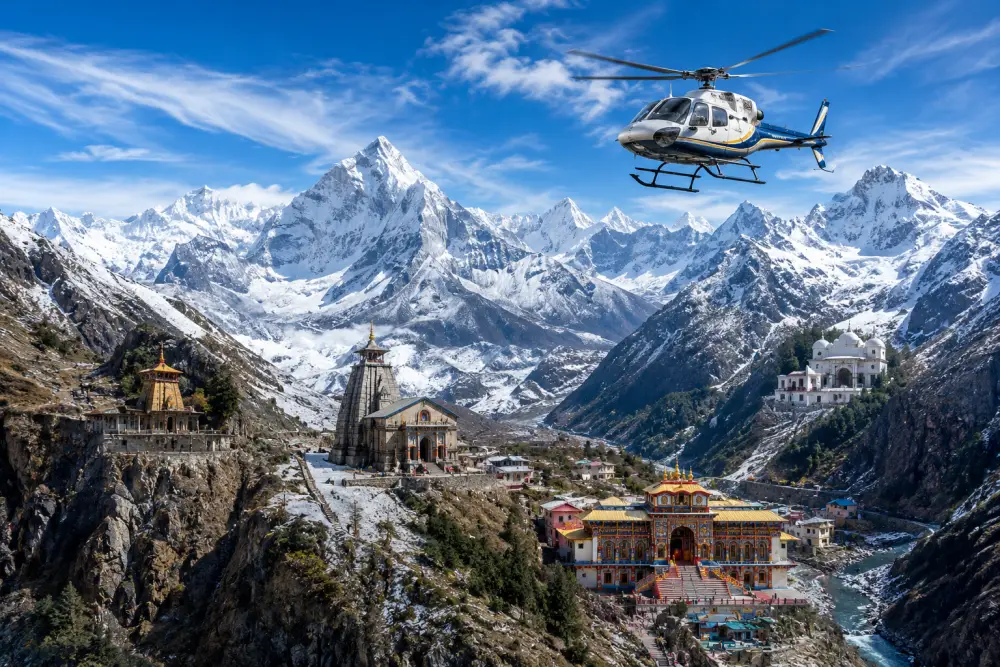
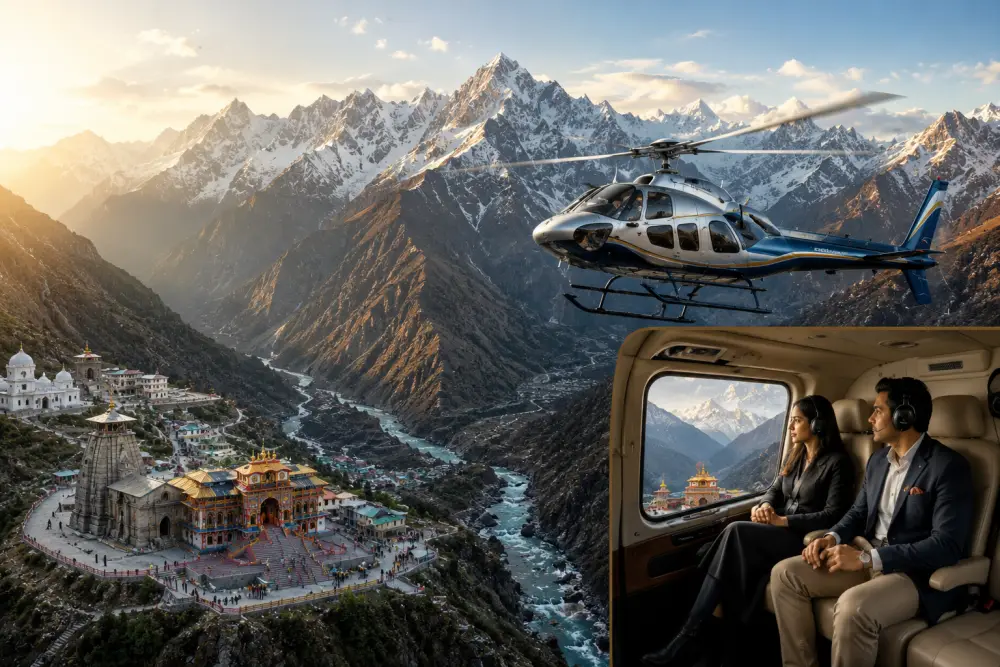
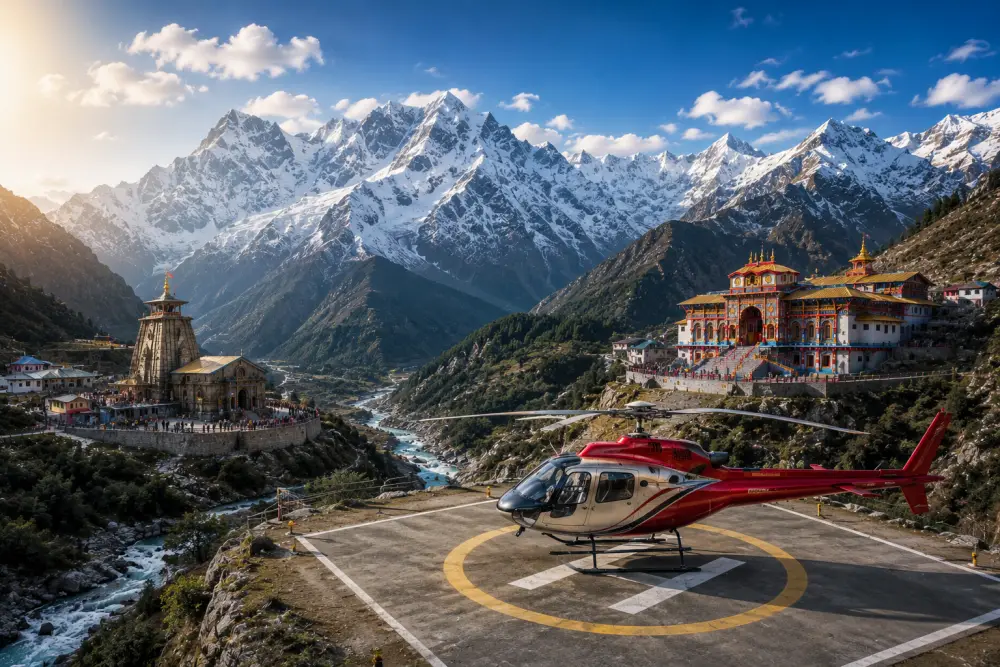
The Char Dham Yatra of Uttarakhand encompassing the four sacred Himalayan shrines of Yamunotri, Gangotri, Kedarnath, and Badrinath represents one of the most revered pilgrimage circuits in India.
 By Spiritual Yatra
12 min read
By Spiritual Yatra
12 min read
Comprehensive Guide to the Char Dham Helicopter Yatra: Itinerary, Pilgrim Advisory
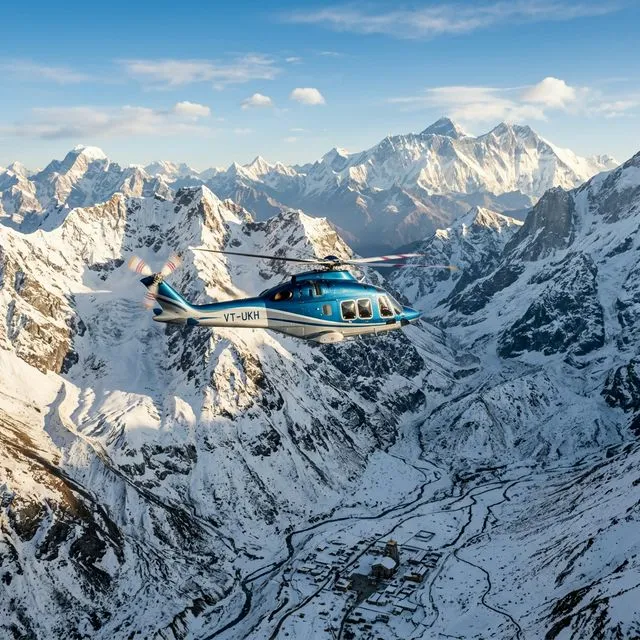
The Char Dham Yatra of Uttarakhand encompassing the four sacred Himalayan shrines of Yamunotri, Gangotri, Kedarnath, and Badrinath represents one of the most revered pilgrimage circuits in India. Nestled high within the Garhwal Himalayas, these holy sites have historically required arduous overland journeys across treacherous terrain, often spanning 10 to 12 days of high-altitude mountain driving and strenuous foot treks. The introduction of organized helicopter services has fundamentally transformed this pilgrimage experience, offering a compressed 5-night, 6-day aerial circuit that eliminates physical strain while securing priority access to temple rituals. For first-time travelers, senior citizens, families, and international pilgrims, navigating the operational complexities of high-altitude aviation, regulatory mandates, strict weight limitations, and localized Himalayan weather patterns requires thorough pre-departure preparation.
Overview and Pilgrimage Logistics
The Char Dham aviation circuit operates under strict regulatory oversight established by the Uttarakhand Civil Aviation Development Authority (UCADA) and the Directorate General of Civil Aviation (DGCA). Helicopter yatras are structured to follow the traditional geographic sequence of the pilgrimage, proceeding sequentially from west to east: starting at Yamunotri, advancing to Gangotri, continuing to Kedarnath, and concluding at Badrinath. The journey originates at the Sahastradhara Helipad in Dehradun, proceeds to Kharsali Helipad for Yamunotri, transfers to Harsil Helipad for Gangotri, routes through Sersi or Phata base helipads for Kedarnath, lands at Badrinath Helipad, and ultimately returns to Dehradun.
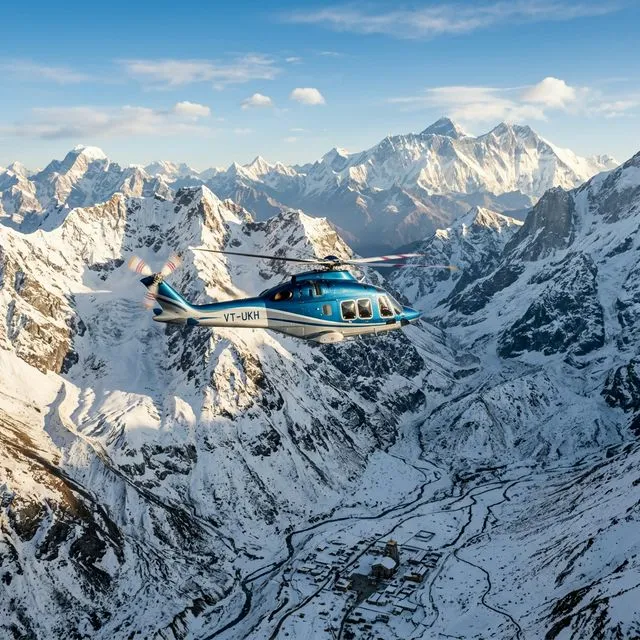
Aviation services replace over 1,000 kilometers of winding mountain roads with swift aerial transfers. What once required days of mountain driving is reduced to short flight legs lasting between 15 and 30 minutes per sector. Beyond dramatic time savings, luxury helicopter packages provide comprehensive ground support, including dedicated luxury accommodation, catered pure-vegetarian meals, SUV ground transfers, VIP temple entry passes, and specialized pandit guidance for sacred rituals.
| Pilgrimage Parameter | Traditional Road Yatra | Luxury Helicopter Yatra |
| Total Duration |
10 – 12 Days |
5 Nights / 6 Days |
| Physical Effort |
High (Long drives, 16+ km steep treks) |
Minimal (Direct flights, Palki/Pony/SUV support) |
| Average Cost per Person |
₹25,000 – ₹60,000 |
₹2,00,000 – ₹2,80,000 |
| Inclusions |
Basic transit, standard lodging |
Charter flights, luxury lodging, meals, VIP Darshan, SUVs |
| Target Audience |
Budget travelers, agile trekkers |
Seniors, families, NRIs, time-constrained professionals |
Full Charter Packages vs. Government Shuttle Services
A primary source of confusion for first-time pilgrims is the distinction between a Full Charter Package originating from Dehradun and the Government Helicopter Shuttle Service operating at Kedarnath base helipads. Understanding this operational difference is critical for proper itinerary planning and financial budgeting.
Private charter packages originate directly from Sahastradhara Helipad in Dehradun and cover all four shrines as an all-inclusive 6-day circuit. Managed end-to-end by private aviation operators, these packages utilize single- or twin-engine turbine helicopters such as the Airbus H125 (AS350 B3) or Bell 407 configured for up to six passengers. Charter packages incorporate all luxury transfers, hotel accommodations, pure-vegetarian meals, VIP darshan passes, and local handlers across every destination.
Airbus H125 (AS350 B3)
Bell 407


Conversely, government shuttle services operate exclusively for the Kedarnath sector to transport pilgrims across the final 16-kilometer mountain gap between base helipads (Phata, Sersi, or Guptkashi) and Kedarnath Temple. These point-to-point shuttle flights are operated under state tenders and booked individually via the official IRCTC HeliYatra online portal. Shuttle tickets cover only the short 5-to-12-minute flight leg; pilgrims using shuttle services must arrange their own long-distance road transport from Haridwar or Dehradun to reach the base helipads, taking roughly 9 to 10 hours of driving each way, as well as their own lodging and meal arrangements.
| Service Attribute | Full Charter Package | Government Shuttle Service (IRCTC) |
| Starting Point |
Sahastradhara Helipad, Dehradun |
Sersi, Phata, or Guptkashi Helipads |
| Circuit Coverage |
All 4 Dhams (Yamunotri, Gangotri, Kedarnath, Badrinath) |
Kedarnath Sector Only (16 km short hop) |
| Flight Type |
Reserved Private Charter Circuit |
High-frequency Point-to-Point Shuttle |
| Booking Platform |
Authorized Private Operators / Tour Agencies |
Exclusively via heliyatra.irctc.co.in |
| Inclusions |
Heli transfers, luxury stays, all meals, VIP Darshan, SUVs |
Flight ticket only (Ground transit & stay excluded) |
| Price Point |
~₹2,09,000 to ₹2,80,000 per person |
~₹6,390 to ₹12,762 return fare per person |
Detailed 5-Night / 6-Day Itinerary Architecture
The standard 6-day luxury charter itinerary is engineered to optimize high-altitude flight safety, align with morning weather windows, and provide ample time for spiritual immersion at each shrine.
| Tour Day | Flight Sector / Location | Estimated Departure & Arrival | Key Operational & Spiritual Activities |
| Day 1 | Arrival in Dehradun | Flexible Arrival |
Airport transfer, check-in at luxury hotel, evening briefing, duffel bag distribution. |
| Day 2 | Dehradun ➔ Yamunotri (Kharsali) |
ETD: 06:00 AM | ETA: 06:30 AM |
Flight to Kharsali (2,675 m), Palki/Pony trek to Yamunotri (5 km), Surya Kund, Shani Temple. |
| Day 3 | Yamunotri ➔ Gangotri (Harsil) |
ETD: 06:30 AM | ETA: 07:00 AM |
Flight to Harsil (2,620 m), 25 km SUV drive to Gangotri Temple, VIP Darshan, Harsil village walks. |
| Day 4 | Gangotri ➔ Kedarnath Base (Sersi) |
ETD: 07:00 AM | ETA: 07:30 AM |
Flight to Sersi (1,980 m), shuttle hop to Kedarnath top (3,584 m), VIP Darshan, return to Sersi. |
| Day 5 | Kedarnath Base ➔ Badrinath |
ETD: 08:00 AM | ETA: 08:30 AM |
Flight to Badrinath (3,300 m), VIP Darshan, Tapt Kund dip, Mana Village excursion, Swarna Aarti. |
| Day 6 | Badrinath ➔ Dehradun Return |
ETD: 08:30 AM | ETA: 09:30 AM |
Optional early morning Maha Abhishek Puja, return flight to Sahastradhara, airport drop-off. |

Day 1: Arrival in Dehradun
Pilgrims arrive in Dehradun via Jolly Grant Airport or Dehradun Railway Station and are transferred to a luxury hotel, such as Hyatt Centric, Taj Foothills, or Fairfield by Marriott. The afternoon is dedicated to rest and acclimatization at an elevation of 700 meters. In the evening, the aviation operations team conducts a comprehensive briefing covering flight safety protocols, weight management rules, and weather tracking systems. Passengers receive operator-issued soft duffel bags for the journey; main travel luggage is tagged and securely stored at the Dehradun hotel until the group returns.
Day 2: Dehradun to Yamunotri (Kharsali)
The helicopter departs Sahastradhara Helipad between 06:00 AM and 06:30 AM, flying northwest over the Mussoorie ridge and landing at Kharsali Helipad (2,675 meters altitude) in approximately 30 minutes. After checking into local accommodations such as Kalindi Hill Top or Yamunotri Kriti Resort, pilgrims prepare for the journey to Yamunotri Temple, located approximately 5 to 6 kilometers away. Ground handlers arrange pre-booked Palkis (palanquins) or Ponies for the uphill trek. At the shrine, devotees perform sacred rituals at Surya Kund, a thermal hot spring, and take darshan of Goddess Yamuna. After returning to Kharsali for lunch, the afternoon includes visits to the ancient Shani Dev Temple and Yamuna Mata Temple.
Day 3: Yamunotri to Gangotri (Harsil)
Departing Kharsali around 06:30 AM, the helicopter flies over the snow-capped peaks of the Garhwal range into the scenic Harsil Valley, situated at an altitude of 2,620 meters. After landing at Harsil or Jhalla helipad, guests check into luxury resorts such as The Harsil Resort or Neelangna Resort. Dedicated SUVs convey pilgrims along a scenic 25-kilometer drive (approximately 50 minutes) along the Bhagirathi River to Gangotri Temple. Priority VIP Darshan is facilitated directly by the temple priest. Guests return to Harsil for lunch, spending the afternoon walking through mountain trails, visiting local heritage villages, or enjoying an evening bonfire by the riverbank.
Day 4: Gangotri to Kedarnath (via Sersi Shuttle Base)
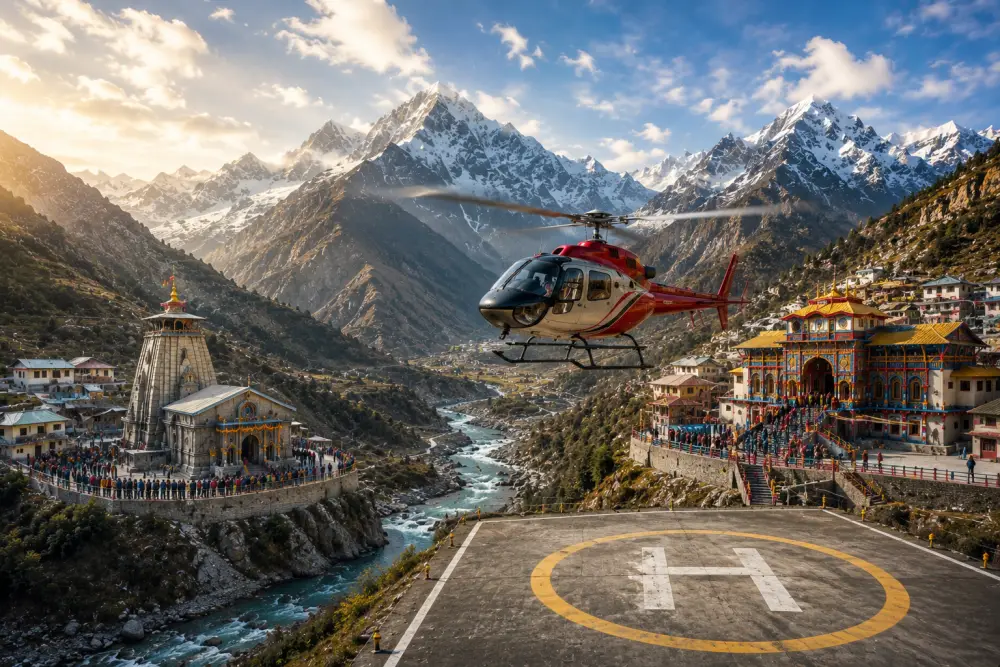
The charter leaves Harsil at 07:00 AM and lands at Sersi or Phata helipad base (1,980 meters altitude). Due to strict government air-traffic regulations governing the high-altitude airspace around Kedarnath, charter passengers transfer to authorized shuttle helicopters for the final 7-minute flight to the Kedarnath Temple Helipad, located at 3,584 meters. Upon landing, passengers walk a short distance (approximately 400 to 500 meters) to the ancient stone shrine of Lord Shiva. VIP Darshan passes allow pilgrims to bypass public queues. After performing darshan and exploring the surrounding plateau, pilgrims board the return shuttle down to Sersi/Guptkashi for an overnight stay at premium valley resorts such as Amritara Sun Inn or Char Machan.
Day 5: Kedarnath Base to Badrinath
Departing Sersi Base around 08:00 AM, the helicopter flies east toward the Neelkanth peak, landing at Badrinath Helipad (3,300 meters altitude). Guests are driven 1 kilometer via private vehicles to luxury accommodations such as Amritara The Avadh or Hotel Lords Palace. After freshening up, pilgrims proceed to Badrinath Temple for VIP Darshan and take a sacred dip in the thermal waters of Tapt Kund. In the afternoon, guests take an excursion to Mana Village—the last Indian village near the Indo-China border—to visit historical sites including Bhim Pul, Vyas Gufa, and the origin point of the Saraswati River. In the evening, guests attend the Swarna Aarti or Shayan Aarti inside the temple sanctum.
Day 6: Badrinath to Dehradun
Pilgrims opting for the sacred morning Maha Abhishek Puja attend the ritual between 03:30 AM and 06:30 AM. Following breakfast, the charter helicopter departs Badrinath for the return flight to Sahastradhara Helipad in Dehradun. Ground handlers retrieve stored primary luggage and arrange private drop-offs at Dehradun Airport or the railway station, concluding the yatra.
Helipad Operations, Altitude Profiles, and Local Ground Logistics
Operating helicopters across the Garhwal Himalayas requires managing complex altitude transitions, varying landing terrain, and localized ground transfers.
| Sector / Destination | Helipad Name | Elevation (Meters / Feet) | Ground Transit Method | Distance & Estimated Transit Time |
| Dehradun | Sahastradhara Helipad |
700 m / 2,296 ft |
Private SUV / Luxury Van |
Base Station / Tour Origin |
| Yamunotri | Kharsali Helipad |
2,675 m / 8,776 ft |
Palki (Doli) or Pony Trek |
5.0 – 6.0 km (~5.5 Hours round-trip) |
| Gangotri | Harsil / Jhalla Helipad |
2,620 m / 8,595 ft |
Dedicated Private SUV |
25 km drive (~50 Minutes each way) |
| Kedarnath Base | Sersi / Phata Helipad |
1,980 m / 6,496 ft |
Shuttle Aircraft Transfer |
Base Shuttle Station |
| Kedarnath Top | Kedarnath Shrine Helipad |
3,584 m / 11,758 ft |
Foot Walk / Palki / Pithoo |
400 – 500 meters (~10 Minutes walk) |
| Badrinath | Badrinath Helipad |
3,300 m / 10,826 ft |
Dedicated Local Vehicle |
1.0 km drive (~5 Minutes each way) |
High-altitude flight operations are heavily dictated by atmospheric physics. As ambient air temperature rises during the late morning, air density decreases a phenomenon known as high density altitude. Warmer, thinner air reduces both rotor lift and engine power output. Additionally, mountain valleys generate powerful thermal winds and rapid cloud condensation by mid-day. To maintain maximum safety margins, flight schedules are strictly front-loaded into early morning weather windows, typically between 06:00 AM and 10:30 AM. Early departures ensure that helicopters operate when air density is highest and mountain passes remain clear of cloud cover.
Regulatory Mandates, Weight Limits, and Mandatory Registration
Due to high-altitude flight safety constraints, aviation operators strictly enforce passenger weight allowances and government registration procedures.
| Mandate Category | Official Rule / Requirement | Regulatory Context & Enforcement |
| Luggage Weight Limit |
Strictly 5.0 kg per passenger |
Mandated by DGCA; soft duffel bags provided; hard suitcases banned. |
| Aircraft Seating Capacity |
Max 6 Passengers + 1 Crew |
Standard configuration for Airbus H125 and Bell 407 helicopters. |
| Gross Aircraft Payload |
Max 450 kg total payload capacity |
Combined weight of 6 passengers plus personal duffel bags. |
| Individual Weight Baseline |
80 kg standard baseline per person |
Excess weight surcharges apply per kg above 80 kg. |
| Child Ticket Policy |
Children above 2 years = Full seat |
Toddlers under 2 years have weight added to group total without seat. |
| Mandatory Registration |
Tourist Care Uttarakhand Registration |
URN / QR Pass required for helipad check-in and temple entries. |
The Directorate General of Civil Aviation mandates a baggage limit of 5 kg per passenger packed exclusively in soft duffel bags. Hard-shell luggage is strictly prohibited because aircraft cargo compartments cannot fit rigid suitcases. On Day 1 in Dehradun, operators issue specialized soft duffel bags to every guest, and primary suitcases are stored at the base hotel until the trip concludes.
Helicopters operating in mountain environments carry strict overall payload limitations, typically capped at 450 kg total gross weight for a 6-passenger flight. Passengers must declare accurate body weights during booking, and every passenger is weighed on digital scales at Sahastradhara Helipad prior to boarding. The standard baseline weight allowance is calculated at 80 kg per person. Passengers weighing above 80 kg pay an excess weight surcharge per kilogram, and operators reserve the right to shuffle passengers across separate aircraft flying minutes apart to balance payload distribution. Intentionally misrepresenting body weight on booking forms can result in denial of boarding at the helipad without a refund.
All pilgrims must complete official biometric registration with the Uttarakhand Tourism Development Board via the Tourist Care Uttarakhand web portal or mobile application before flying. Registration generates a Unique Registration Number (URN) or QR-coded Pilgrim Pass, which must be presented alongside valid government photo identification (Aadhaar Card, Passport, Voter ID, or Driving License) at helipad checkpoints and temple gates.
High-Altitude Medical Advisory and Acclimatization Strategy
Ascending rapidly by helicopter from Dehradun at 700 meters to high-altitude shrine locations like Kedarnath at 3,584 meters exposes passengers to sudden changes in atmospheric pressure and oxygen levels. At 3,584 meters, atmospheric oxygen is significantly reduced compared to sea level, which can trigger Acute Mountain Sickness (AMS) symptoms such as headaches, dizziness, nausea, shortness of breath, and fatigue.
Luxury charter itineraries mitigate altitude exposure by housing guests overnight at lower valley bases such as Sersi/Guptkashi at 1,980 meters or Harsil at 2,620 meters rather than staying overnight at Kedarnath top. This limits high-altitude exposure at Kedarnath to 2 to 4 hours during darshan. Senior citizens aged 60 and above, as well as individuals with pre-existing cardiovascular, respiratory, or hypertension conditions, are strongly advised to obtain a medical clearance certificate from a physician prior to travel. Basic medical checkups are conducted at base helipads, and medical camps stocked with supplemental oxygen cylinders are stationed near the shrines. Passengers should maintain hydration, eat light vegetarian meals, avoid alcohol, and carry personal prescription medications in hand luggage.
Weather Contingencies, Cancellation Frameworks, and Strategic Planning
Himalayan aviation is highly weather-dependent. Dense fog, monsoon rain, high-velocity winds, or unseasonal snowfall can ground flights with little advance notice. Flying operations are divided into two primary seasons: the Pre-Monsoon Season from May to June, characterized by clear morning skies and pleasant daytime temperatures, and the Post-Monsoon Season from September to October, offering crisp atmospheric visibility and stable air currents.
| Operating Parameter | Pre-Monsoon Flying Window | Post-Monsoon Flying Window |
| Calendar Duration |
May – June |
September – October |
| Atmospheric Conditions |
Clear morning skies, snow-capped peak views |
Crisp, clear air, green valley scenery |
| Booking Demand |
Peak season; requires 2-4 months advance booking |
High demand; stable weather conditions |
| Monsoon Risk |
Low early on; increases late June |
Minimal; monsoon rains subside by September |
If bad weather prevents safe flying, operations follow DGCA and UCADA safety guidelines. If a flight sector is delayed, operators attempt to complete the flight later in the day or adjust the following day's itinerary. If a sector is permanently canceled due to unserviceable weather or technical reasons, operators calculate refunds based on un-flown flight sectors, minus a nominal 10% administrative service charge. First-time travelers should always schedule at least one buffer day in Dehradun after Day 6 before booking onward flights or trains home, ensuring that weather delays in Badrinath or Kedarnath do not cause missed connections.
Actionable Execution Summary for First-Time Clients
Planning a successful Char Dham helicopter pilgrimage requires executing key preparation steps across specific operational timelines prior to departure.
| Execution Timeline | Priority Action Items & Compliance Checklist |
| 3 to 4 Months Prior |
Book charter packages with verified operators; obtain medical clearances for senior citizens. |
| 1 Month Prior |
Register on Tourist Care Uttarakhand portal for URN passes; submit exact body weights. |
| Packing Preparation |
Pack thermal layers, windproof jacket, and slip-on shoes; keep luggage strictly under 5 kg in soft duffel. |
| Travel Essential Check |
Carry physical government photo ID (Aadhaar/Passport); bring personal meds and cash. |
| Onward Scheduling |
Reserve onward transport from Dehradun for Day 7 to maintain a 24-hour weather buffer. |
By understanding the operational logistics, weight regulations, and high-altitude dynamics, first-time pilgrims can embark on the Char Dham Helicopter Yatra fully prepared, ensuring a safe, comfortable, and spiritually fulfilling journey across the Himalayas.
Keep Reading
View All Articles-
Top 10 Treks in Uttarakhand - A Travel Guide
Here are 10 widely recognised treks in Uttarakhand (Garhwal + Kumaon), followed by a practical travel-planning guide for you and your students/participants.
-
History of Akhadas in India - A short Description
The history of Akhadas in Indian Hindu tradition is deeply rooted in the religious and cultural evolution of the country.