Last Mile
Top 10 Treks in Uttarakhand - A Travel Guide
Here are 10 widely recognised treks in Uttarakhand (Garhwal + Kumaon), followed by a practical travel-planning guide for you and your students/participants.
 By Spiritual Yatra
5 min read
By Spiritual Yatra
5 min read

Top 10 Treks in Uttarakhand
1. Valley of Flowers & Hemkund Sahib (Garhwal)
-
Highlights: UNESCO World Heritage alpine valley, rich Himalayan flora, Sikh pilgrimage to Hemkund Sahib.
-
Best season: Mid‑July to late August (monsoon bloom).
-
Difficulty: Easy–moderate, ideal for beginners and student groups.
-
Access: Rishikesh → Joshimath → Govindghat → Ghangaria (base).
2. Kedarkantha Trek (Govind Wildlife Sanctuary)
-
Highlights: Classic winter snow trek, 360° summit views of Swargarohini, Black Peak, Bandarpoonch.
-
Best season: December–March (snow), also pleasant in April–June.
-
Difficulty: Easy–moderate; suitable for first‑timers with basic fitness.
-
Access: Dehradun → Sankri village (base).
3. Chopta–Tungnath–Chandrashila
-
Highlights: “Mini Switzerland” meadows, Tungnath (highest Shiva temple), sunrise/sunset from Chandrashila summit.
-
Best season: March–June and Sept–Nov; snow routes possible in winter with proper gear.
-
Difficulty: Easy; great introductory trek and spiritual tourism product.
-
Access: Rishikesh → Ukhimath → Chopta (roadhead).
4. Har Ki Dun Trek
-
Highlights: Ancient villages, valley of the “Valley of Gods”, views of Swargarohini and Jaundhar Glacier.
-
Best season: April–June and Sept–Nov.
-
Difficulty: Moderate; longer trail but technically simple.
-
Access: Dehradun → Sankri → Taluka (roadhead).
5. Roopkund (currently often restricted/closed)
-
Highlights: High‑altitude glacial lake, famous “mystery skeletons,” meadows of Ali & Bedni Bugyal.
-
Best season (historically): May–June and Sept–Oct.
-
Difficulty: Moderate–difficult; altitude and terrain demand good fitness.
-
Note: Management regulations, NGT orders and local restrictions mean this trail is not always open; needs up‑to‑date verification and may be excluded from current commercial offerings.
6. Pindari Glacier (Kumaon)
-
Highlights: Glacier views flanked by Nanda Devi, Nanda Kot, and other major peaks; strong village and eco‑tourism potential.
-
Best season: April–June and Sept–Nov.
-
Difficulty: Moderate; steady ascent but not highly technical.
-
Access: Haldwani/Kathgodam → Bageshwar → Loharkhet/Khati.
7. Dodital–Darwa Top
-
Highlights: Forest lakes, trout‑filled Dodital, panoramic views from Darwa Top, accessible almost year‑round except peak monsoon.
-
Best season: Oct–June (avoid heavy monsoon).
-
Difficulty: Easy–moderate.
-
Access: Rishikesh → Uttarkashi → Sangamchatti/Bebra (trailheads).
8. Gaumukh–Tapovan (Gangotri Glacier)
-
Highlights: Source of the Ganga, high‑altitude meadows of Tapovan with views of Shivling and surrounding peaks.
-
Best season: May–June and Sept–Oct.
-
Difficulty: Moderate–difficult; glacier approach and altitude require prior trekking exposure.
-
Access: Rishikesh → Uttarkashi → Gangotri (roadhead).
9. Nag Tibba
-
Highlights: Short summit trek, great for weekend groups from Delhi–Dehradun; views of Bandarpoonch, Kedarnath, and Gangotri ranges.
-
Best season: All year, except peak monsoon; popular as winter snow weekend trek.
-
Difficulty: Easy; ideal for beginners and training batches.
-
Access: Dehradun → Pantwari village (trailhead).
10. Kuari Pass (Curzon Trail)
-
Highlights: Historic pass with superb views of Nanda Devi, Dronagiri, and Kamet; classic Garhwal experience.
-
Best season: March–June and Sept–Dec.
-
Difficulty: Moderate.
-
Access: Rishikesh → Joshimath → village trailheads (Tapovan, Dhak, etc.).
Quick Comparison Table
This table may help you choose treks according to audience, duration, and thematic focus (adventure vs spiritual vs nature study). Data is approximate and should be validated during detailed planning.
| Trek | Typical Duration (ex‑Dehradun/Rishikesh) | Difficulty | Best suited for |
|---|---|---|---|
| Valley of Flowers & Hemkund | 6–7 days | Easy–Moderate | Nature, botany, spiritual/wellness groups |
| Kedarkantha | 5–6 days | Easy–Moderate | Beginners, winter adventure, student camps |
| Chopta–Tungnath–Chandrashila | 3–4 days | Easy | Short pilgrim‑adventure, corporate/academic groups |
| Har Ki Dun | 7–8 days | Moderate | Culture + landscape study, serious trekkers |
| Roopkund* | 7–8 days | Moderate–Hard | Experienced trekkers (when legally open) |
| Pindari Glacier | 6–7 days | Moderate | Kumaon eco‑tourism, village‑based programmes |
| Dodital–Darwa Top | 5–6 days | Easy–Moderate | All‑season forest & lake experience |
| Gaumukh–Tapovan | 6–7 days | Moderate–Hard | High‑altitude spiritual & mountaineering exposure |
| Nag Tibba | 2–3 days | Easy | Introductory trek, weekend experiential learning |
| Kuari Pass | 6–7 days | Moderate | Classic Himalayan panorama, trekking courses |
*Roopkund needs regulatory status check before inclusion in any itinerary.
Practical Travel Guide (Academic / Group Focus)
1. When to plan
-
Broad windows:
-
Spring–early summer (March–June): Clear skies, stable weather for most trails.
-
Post‑monsoon (Sept–Nov): Crisp views, less crowding.
-
-
Special case: Valley of Flowers depends on monsoon bloom, so mid‑July–August is ideal despite rainfall.
2. Access hubs and logistics
Most Uttarakhand treks funnel through these hubs:
-
Dehradun: Gateway for Nag Tibba, Kedarkantha, Har Ki Dun, many western Garhwal routes.
-
Rishikesh/Haridwar: Gateway for Kuari Pass, Valley of Flowers, Gaumukh–Tapovan, Chopta region.
-
Kathgodam/Haldwani: Access to Kumaon trails like Pindari Glacier.
For an academic or conference‑linked trekking programme, pairing Haridwar/Rishikesh (spiritual base) with Chopta–Tungnath or Valley of Flowers can integrate pilgrimage, wellness, and soft adventure.
3. Permits, regulations, and safety
-
Forest / sanctuary permits: Required for many treks (Govind Wildlife Sanctuary, Kedarnath Wildlife Sanctuary, Nanda Devi Biosphere periphery). Use registered local operators or guides to streamline.
-
NGT and high‑impact trail rules: Some routes (e.g., Roopkund) are under stricter control; keep itineraries flexible.
-
Safety essentials for groups: AMC/IMF style protocols—acclimatisation days above 3,000 m, medical screening, evacuation plans, and one staff member with mountain first‑aid training.
4. Suggested trek choices by audience
-
For university students/new trekkers:
-
Nag Tibba, Kedarkantha, Chopta–Tungnath–Chandrashila, Dodital.
-
-
For spiritual + academic themes:
-
Valley of Flowers & Hemkund Sahib, Gaumukh–Tapovan, Chopta–Tungnath.
-
-
For research‑oriented fieldwork:
-
Har Ki Dun (rural mountain livelihoods), Pindari Glacier (Kumaon villages and glaciers), Valley of Flowers (biodiversity).
-
5. Basic Trek Kit & Preparation (especially for institutional groups)
For 3–7 day Himalayan treks, most operators recommend:
-
Clothing: Layering system (base layer, fleece, insulated jacket, rain shell), trekking pants, wool cap, gloves.
-
Footwear: High‑ankle trekking shoes, 3–4 pairs of good socks.
-
Personal gear: Backpack (~40–60 L), headlamp, water bottles, basic medicines, sunscreen, rain cover.
-
Fitness: 4–6 weeks of light cardio and leg strengthening for sedentary participants; crucial above 3,000 m.
Keep Reading
View All Articles-
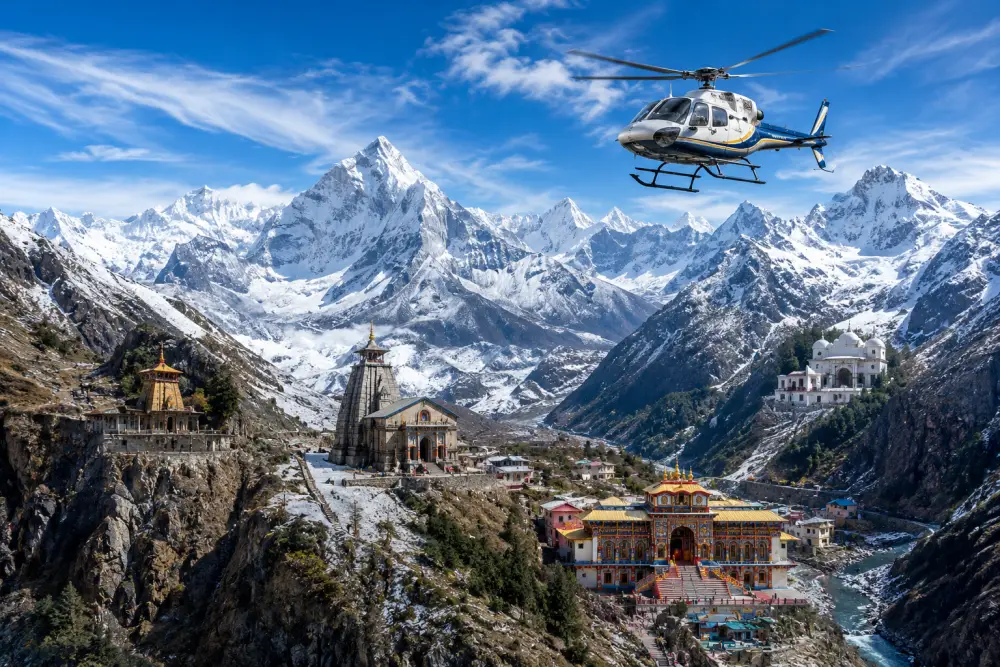
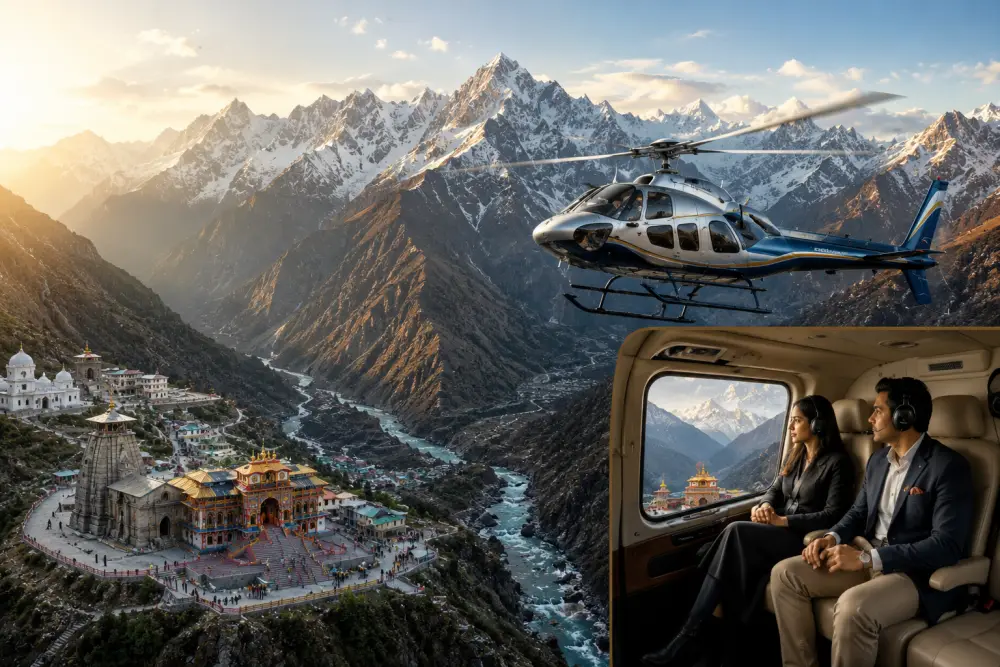
Guide to the Char Dham Helicopter Yatra
The Char Dham Yatra of Uttarakhand encompassing the four sacred Himalayan shrines of Yamunotri, Gangotri, Kedarnath, and Badrinath represents one of the most revered pilgrimage circuits in India.
-
History of Akhadas in India - A short Description
The history of Akhadas in Indian Hindu tradition is deeply rooted in the religious and cultural evolution of the country.