
Himalayan & Mountain Shrines
Pilgrimage updates for Kedarnath Ji and Badrinath Ji
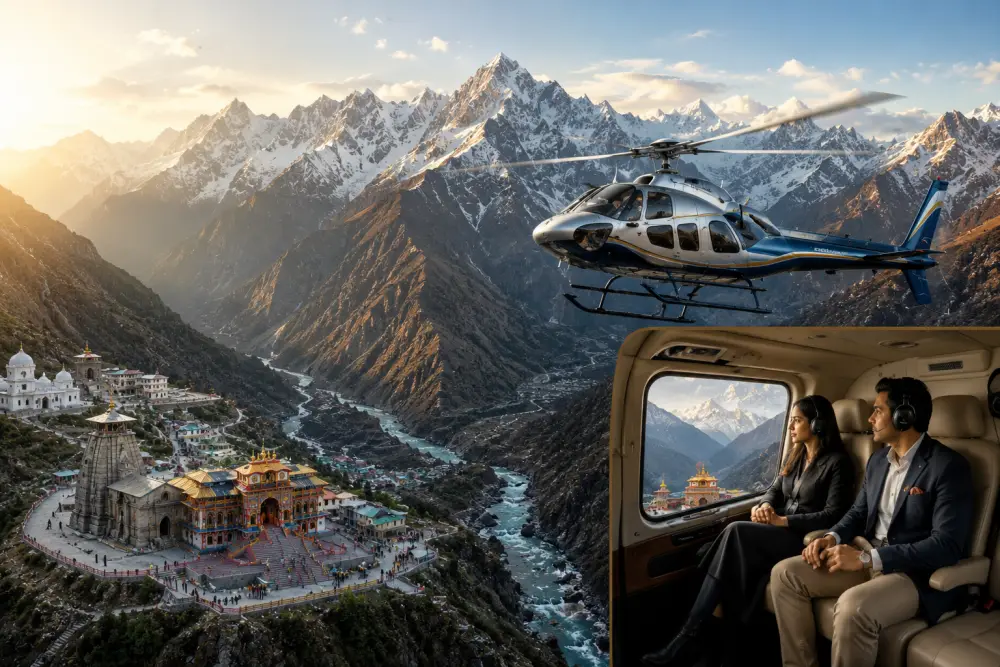
Here are the latest operational, infrastructure, and pilgrimage updates for Kedarnath Ji and Badrinath Ji
 By Spiritual Yatra
7 min read
Pilgrimage updates for Kedarnath Ji and Badrinath Ji
As of November 2026, here are the latest operational, infrastructure, and pilgrimage updates for Kedarnath Ji and Badrinath Ji covering the concluded 2026 season and upcoming plans for 2027:
1. Temple Status & 2026–2027 Schedule
-
2026 Kapat Closure: Both shrines have closed for the winter season following the traditional Bhai Dooj / Vijayadashami calendar in October–November 2026.
-
Winter Worship (Sheetkalin Puja):
-
Kedarnath Ji: Worship has shifted to the Omkareshwar Temple in Ukhimath, where the Utsav Doli will remain until spring 2027.
-
Badrinath Ji: Worship has shifted to the Narsingh Temple in Joshimath, alongside Pandukeshwar.
-
-
2027 Opening Dates (Tentative):
-
Kedarnath Ji opening dates for 2027 will be formally announced on Mahashivratri (March 2027) at Ukhimath.
-
Badrinath Ji opening dates for 2027 will be announced on Basant Panchami (February 2027) at the Narendra Nagar royal palace.
-
Based on the Hindu Panchang, the 2027 yatra season is projected to commence in early May 2027.
-
2. Infrastructure & Connectivity Updates (2026–2027)
-
Kedarnath Ropeway Project (Sonprayag–Kedarnath): Construction on the 12.9 km ropeway continues under the Parvatmala Pariyojana. Once operational, it is designed to cut the 6–7 hour trek down to roughly 36 minutes, though full commercial passenger operations are still progressing toward post-2027 commissioning.
-
Rishikesh–Karnaprayag Rail Link: Tunneling and bridge works on the 125 km broad-gauge rail project reached major milestones through 2026, with phased commissioning targeted between late 2026 and 2027—expected to significantly ease road congestion up to Rudraprayag and Karnaprayag.
-
Kedarnath Master Plan (Phase II): Rebuilding and expansion of pilgrim facilitation centers, all-weather walkways, and upgraded sanitation/medical blocks around the temple complex progressed through the 2026 working window.
-
Badrinath Master Plan: Beautification of the Alaknanda riverfront, plaza widening around the temple, and upgraded crowd-holding areas are in advanced stages ahead of the 2027 yatra season.
-
Joshimath (Jyotirmath) Slope Stabilization: Ongoing geotechnical stabilization and drainage works along the Rishikesh–Badrinath highway (NH-7) continue, with strict traffic regulation and night-driving restrictions remaining standard for 2027.
3. Registration, Helicopter & Yatra Regulations
-
Mandatory Biometric Registration: The Uttarakhand Tourism Development Board (UTDB) continues to enforce mandatory online/offline registration via the official portal (
registrationandtouristcare.uk.gov.in) and mobile app, with strict token-based darshan slots at both shrines to manage peak-season crowds. -
VIP Darshan Protocol: Paid or unscheduled VIP darshan protocols remain tightly restricted during peak months (May–June) following the 2024–2026 crowd-management reforms by the Badrinath-Kedarnath Temple Committee (BKTC).
-
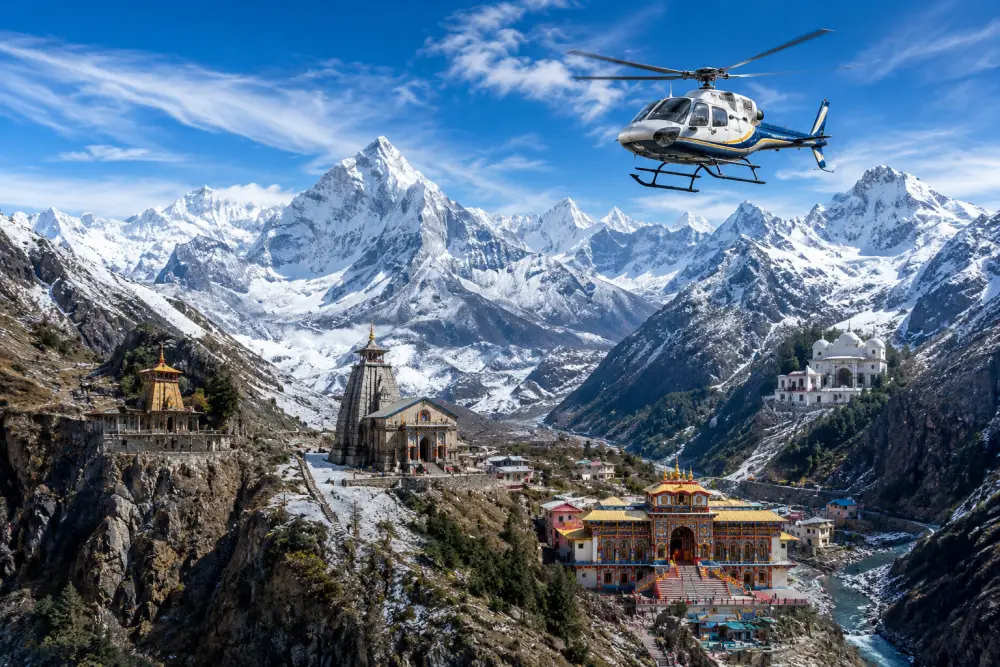
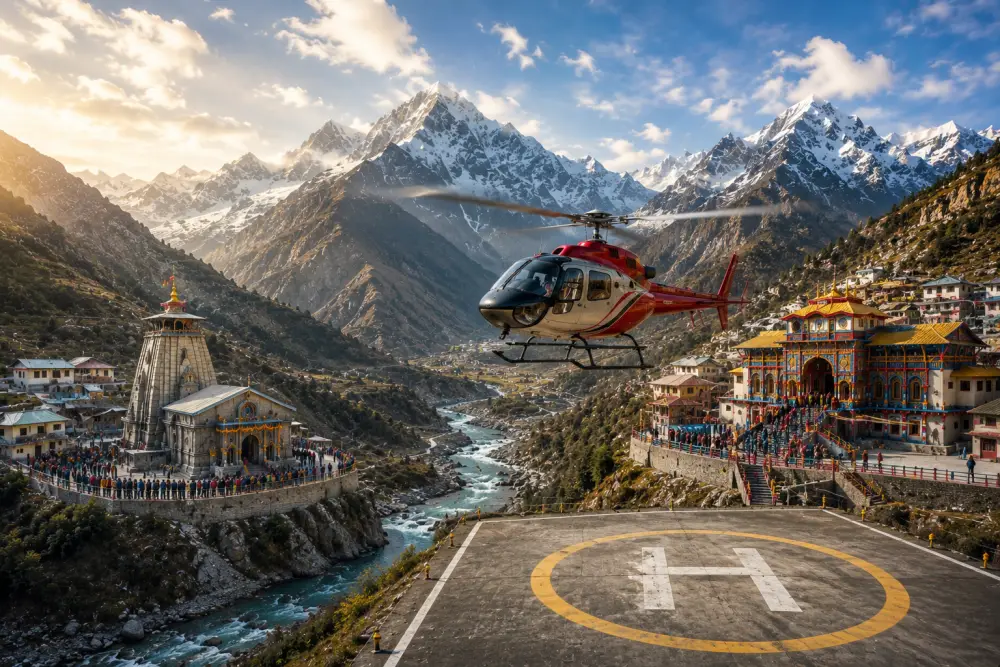
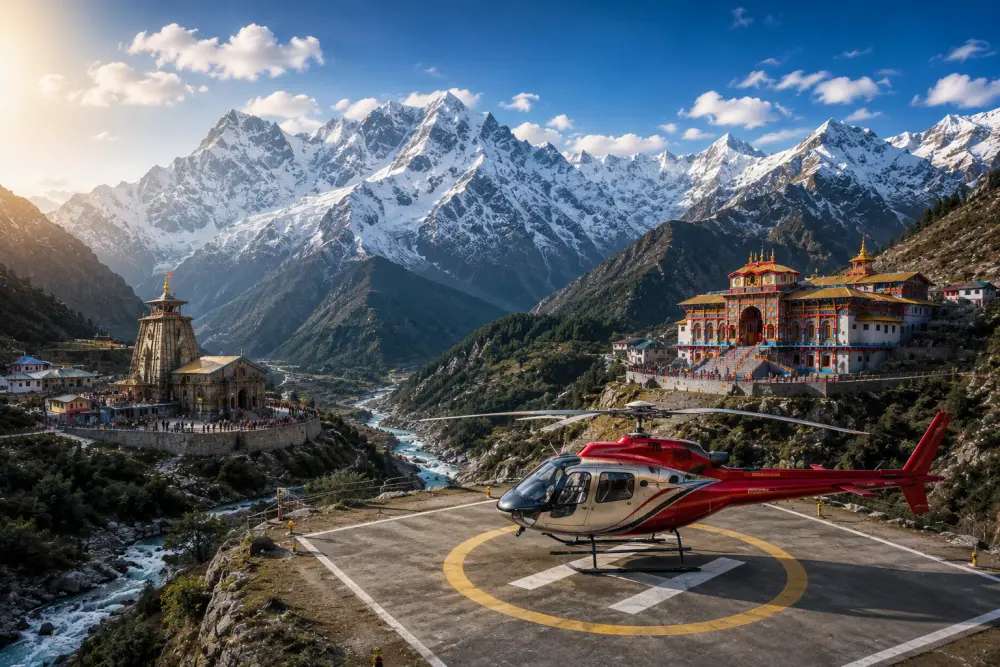
Heli-Services (IRCTC Heliyatra): All helicopter tickets from Phata, Sersi, and Guptkashi to Kedarnath continue to be booked exclusively through the official IRCTC Heliyatra portal, linked directly to a valid Yatra Registration ID.
4. Key Planning Takeaways for 2027
-
Registration Window: Expect 2027 yatra registrations and IRCTC heli-bookings to open in March–April 2027, roughly 4–6 weeks before the portals open.
-
Winter Yatra Promotion: Uttarakhand Tourism is actively promoting the Winter Char Dham Circuit (Ukhimath, Joshimath, Mukhba, and Kharsali) between November 2026 and April 2027 for pilgrims seeking crowd-free darshan.
Both Kedarnath Ji and Badrinath Ji maintain uninterrupted daily rituals during winter (November to April) at lower-altitude Garhwal shrines, offering snow-dusted Himalayan views, road-only access, and peaceful darshan without peak-season crowds.
Side-by-Side Comparison
| Feature | Kedarnath Winter Circuit (Ukhimath) | Badrinath Winter Circuit (Joshimath) |
| Winter Seat | Omkareshwar Temple, Ukhimath | Narsingh Temple, Joshimath (Jyotirmath) & Yogadhyan Badri, Pandukeshwar |
| Altitude | ~1,311 m (4,300 ft) | ~1,875 m (6,150 ft) at Joshimath; ~1,829 m at Pandukeshwar |
| Sacred Significance | Houses the Utsav Doli (mobile idol) of Kedarnath Ji and Madhyamaheshwar Ji; also the wedding site of Usha and Aniruddha. | Narsingh Temple houses the Gaddi (throne) of Adi Shankaracharya and Rawal Ji; Pandukeshwar houses the Utsav Vigraha (processional idol) of Lord Badri Vishal. |
| Primary Route | Haridwar / Rishikesh → Devprayag → Srinagar → Rudraprayag → Agastyamuni → Ukhimath (~180 km from Haridwar; 6–7 hrs) | Haridwar / Rishikesh → Devprayag → Rudraprayag → Karnaprayag → Chamoli → Joshimath (~275 km from Haridwar; 8–9 hrs) |
| Road & Weather | Mostly snow-free town; crisp winter mornings (2°C to 15°C). Nearby Chopta/Tungnath often receives heavy snow. | Colder climate (-2°C to 12°C); occasional snowfall in Joshimath town and frequent snow on the 24 km stretch toward Pandukeshwar. |
| Nearby Shrines | Kalimath (Shakti Peeth), Triyuginarayan Temple, Guptkashi (Vishwanath Temple), Chopta–Tungnath base. | Shankaracharya Math (Kalpavriksha), Tapovan hot springs, Auli (via road/chairlift), Bhavishya Badri (Subhain). |
| Stay Options | GMVN Tourist Rest House (Ukhimath), boutique homestays, and mid-range hotels in Ukhimath, Guptkashi, and Sari village. | GMVN Tourist Rest House (Joshimath), heritage hotels, budget lodges in Joshimath, and eco-resorts/homestays toward Auli and Tapovan. |
Practical Itinerary & Routing Tips
-
Combining Both (Do-Dham Winter Circuit): Both seats connect via the Ukhimath–Chopta–Gopeshwar–Chamoli–Joshimath scenic route (~115 km, 4–5 hours) or the all-weather valley route via Rudraprayag–Karnaprayag–Chamoli (~140 km, 4.5–5.5 hours). Between January and March, heavy snowfall frequently closes the Chopta pass, making the Rudraprayag–Karnaprayag valley highway the reliable winter connector.
-
Darshan Timings: Morning Abhishek and Shringar rituals typically run between 6:30 AM and 9:00 AM, followed by evening Sandhya Aarti around 6:30 PM to 7:30 PM. Attending the early morning puja gives the most authentic experience with the Rawals and temple priests.
-
Registration & Logistics: Unlike the summer yatra, winter darshan at Ukhimath and Joshimath does not require mandatory biometric yatra registration or helicopter bookings. However, carrying valid government ID and booking heated rooms in advance is essential, as only select hotels and GMVN properties operate during peak winter months.
Here is a 4-day winter Sheetkalin Puja circuit from Haridwar covering the winter seats of Kedarnath Ji and Badrinath Ji, using the all-weather valley highway via Rudraprayag and Karnaprayag so your drive stays reliable even if higher passes see snow.
Day 1: Haridwar to Ukhimath (~180 km | 6–7 Hours)

Depart early from Haridwar along the Ganga and Alaknanda river valleys through Devprayag, Srinagar, and Rudraprayag, then turn onto the Mandakini valley road toward Ukhimath. Reaching by late afternoon lets you settle in before crisp mountain temperatures set in.
-
Morning Departure: Start by 6:00–6:30 AM to maximize daylight on winding hill roads and avoid winter fog.
-
Midday Stop: Take a relaxed lunch break around Srinagar or Rudraprayag before climbing toward Kund and Ukhimath.
-
Evening: Check in, warm up with hot tea, and prepare for early morning temple rituals.
Day 2: Omkareshwar Temple & Drive to Joshimath (~140 km via Valley Route | 4.5–5.5 Hours)

Begin the day at Ukhimath Omkareshwar Temple, where the Utsav Doli of Kedarnath Ji resides during the winter closure. After morning darshan, descend toward Rudraprayag and follow the Alaknanda highway past Karnaprayag and Chamoli up to Joshimath.
-
Morning Rituals: Visit Ukhimath Omkareshwar Temple early for morning puja and quiet darshan in a peaceful courtyard setting.
-
Route Choice: Use the Rudraprayag – Karnaprayag – Chamoli valley route rather than the higher Chopta–Gopeshwar road during peak winter months (December–March) when snow can block high passes.
-
Arrival in Joshimath: Reach Joshimath by late afternoon and rest at your hotel or guesthouse.
Day 3: Narsingh Temple, Pandukeshwar & Joshimath (~24 km each way to Pandukeshwar)

Dedicate this day to Badrinath Ji's winter worship traditions across Joshimath and Pandukeshwar. Walk or drive along Narsingh Mandir Marg to visit the Narsingh Temple, where the Gaddi and winter rituals are observed, and take a short excursion to Pandukeshwar (~24 km ahead toward Badrinath) to visit Yogadhyan Badri, associated with the Utsav Vigraha.

Pandukeshwar sits along the upper Alaknanda corridor in a quiet, high-altitude setting that turns noticeably colder than town centers in winter.
-
Morning Darshan: Start along Narsingh Mandir Marg in Joshimath for morning prayers before heading out toward Pandukeshwar.
-
Pandukeshwar Excursion: Check road and frost conditions before driving to Pandukeshwar, and plan to return toward Joshimath before dusk.
-
Evening Aarti: Return to Joshimath for evening temple prayers and a warm dinner indoors.
Day 4: Return Journey from Joshimath to Haridwar (~275 km | 8–9 Hours)

Depart early from Joshimath for the scenic return drive down the Alaknanda and Ganga valleys through Chamoli, Karnaprayag, Rudraprayag, and Rishikesh back to Haridwar.
-
Early Start: Leave around 6:00 AM so you cover the upper mountain stretches in daylight and reach Haridwar by evening.
-
Paced Breaks: Build in brief rest and meal stops around Chamoli, Karnaprayag, or Rudraprayag so you aren't rushing mountain curves.
-
Buffer Time: Keep a flexible evening arrival window in Haridwar in case of highway maintenance or winter traffic regulation.
Quick Winter Travel Notes
-
Daylight & Driving: Winter days are shorter and mountain roads see black ice or frost in shaded pockets early and late in the day—aim to finish daily driving by 4:30–5:00 PM.
-
Bookings: Confirm heating/room availability in advance in Ukhimath and Joshimath, as fewer properties stay open at full capacity during winter.
Keep Reading
View All Articles-
Legend & Pilgrimage of the Amarnath Cave
Tucked away at the far end of the Lidder valley in the Greater Himalayas, the Amarnath Cave
-
No Fear Is Visible to Faith at Yamunotri
Despite the long, exhausting journey, the fear of being struck by wooden sticks protruding from palakis (palanquins)
-
Shrikhand Mahadev Kailash Yatra
हिमाचल प्रदेश के कुल्लू जिले की गगनचुंबी हिमालयी श्रृंखलाओं में स्थित श्रीखंड महादेव कैलाश यात्रा न केवल भारत के सबसे कठिन पर्वतारोहण मार्गों में से एक है, बल्कि यह सनातन धर्म की गहरी आध्यात्मिक चेतना का जीवंत प्रतीक भी है ।