Himalayan & Mountain Shrines
No Fear Is Visible to Faith at Yamunotri
Despite the long, exhausting journey, the fear of being struck by wooden sticks protruding from palakis (palanquins)
 By Spiritual Yatra
7 min read
By Spiritual Yatra
7 min read

No Fear Is Visible to Faith at Yamunotri
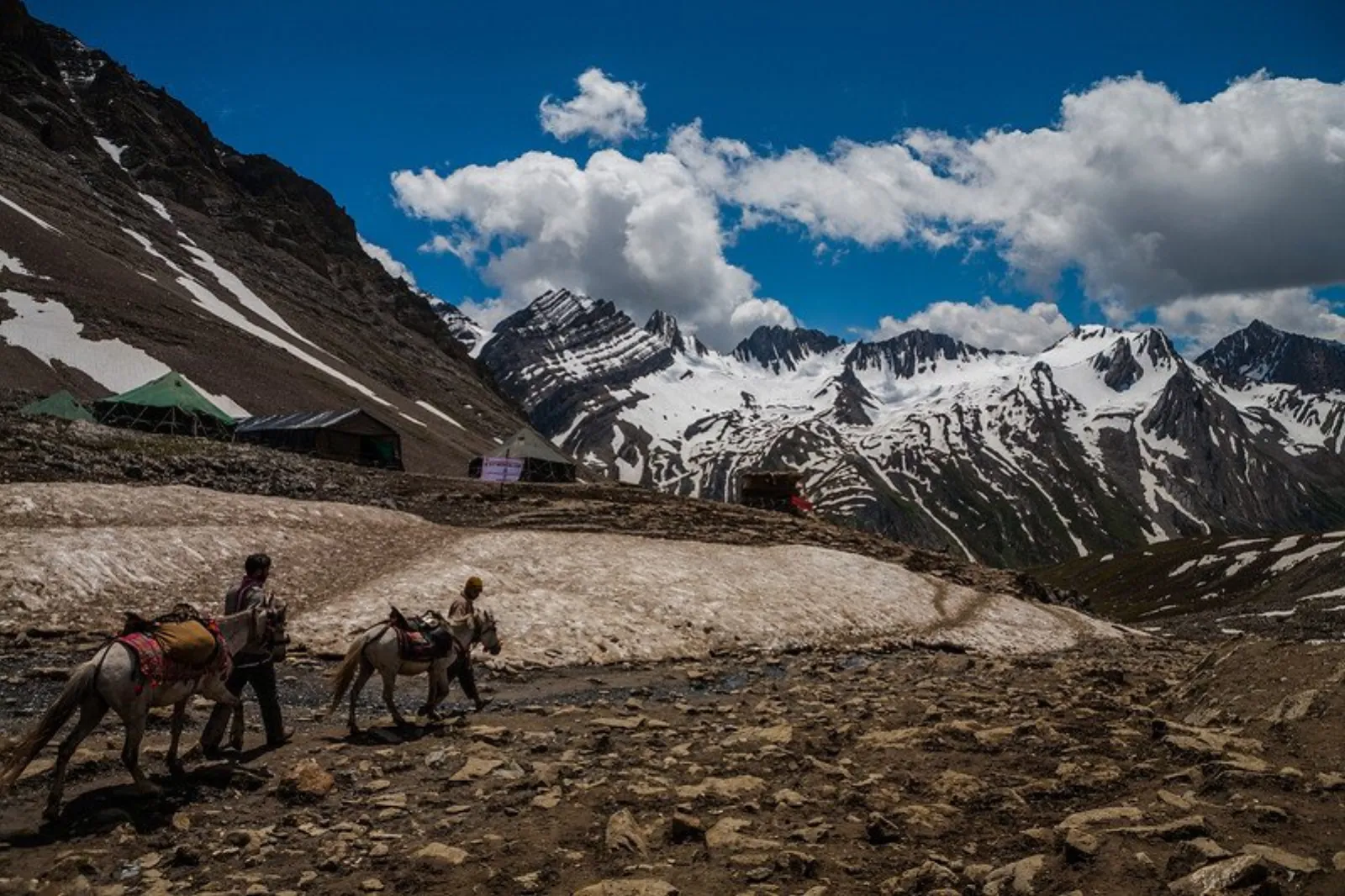
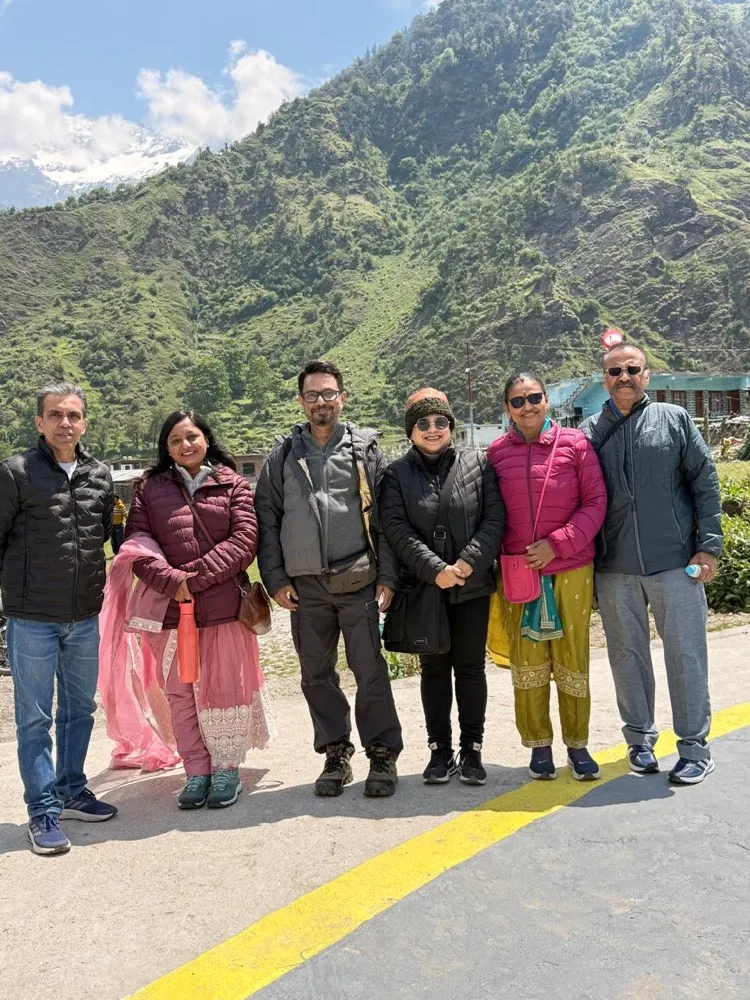
Despite the long, exhausting journey, the fear of being struck by wooden sticks protruding from palakis (palanquins), the squeezing between the rush of pilgrims on one side and the rocky hillside on the other, and the rubbing of your shoulders against the ponies, your faith in the Yamunotri temple on the foothills of Kalind mountain remains unwavering. Faith perceives no apprehension in this location. And you have ample motivation to do so, even if you are not a traditional pilgrim: the majestic sight of snow-clad peaks in the Garhwal Himalayas, the soothing melody of the river flowing deep in the verdant green valley on your right, and the refreshing breeze.
THE YATHRA
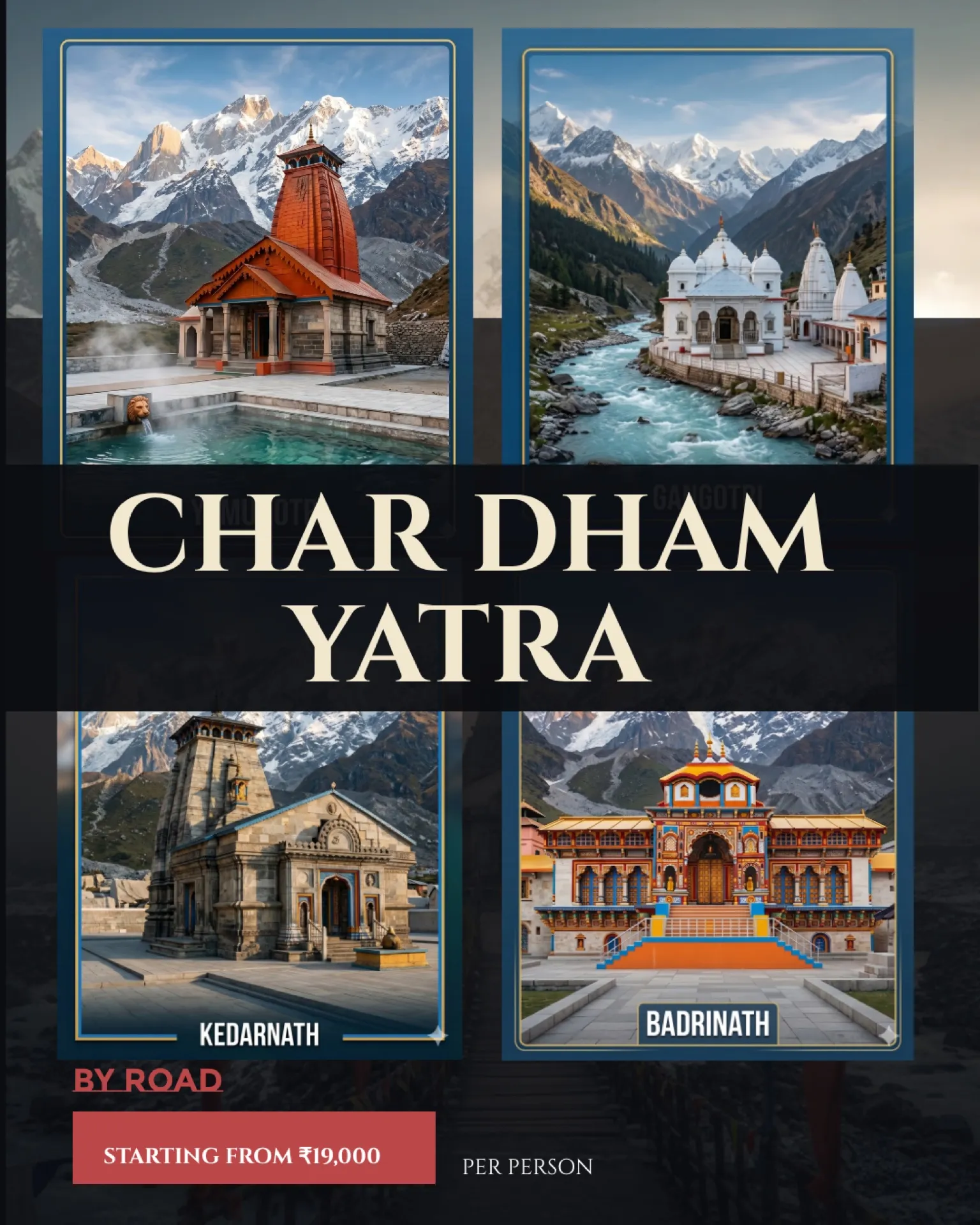
Yamunotri is the westernmost shrine in this region. Therefore, it is the traditional starting point of the Char Dham Yatra in Uttarakhand, which proceeds to Gangotri, Kedarnath, and Badrinath before concluding at the latter. This pilgrimage follows a consistent pattern: you continue to progress from the west to the east. Two of these Char Dhams are the source of India's two most significant rivers, the Ganges and the Yamuna, which ultimately meet at Sangam in Allahabad. The other two are dedicated to two of the most significant deities, who were the source of two branches of Hinduism: Shaivite and Vaishnavite. Specifically, Kedarnath is dedicated to Lord Shiva, while Badrinath is dedicated to Lord Vishnu. In addition, the altitude of all four dhams is nearly identical, with Yamunotri being the lowest at 3293 meters and Kedarnath being the highest at 3553 meters. In reality, each of these four dhams is connected by trekking routes. Certainly, these would have been the pilgrims' travel routes centuries ago, prior to the construction of roads. In addition to the route, there are numerous legends that link these dhams, some of which date back to the Mahabharata era.However, another intriguing fact is that Gangotri is the only dham with river sources that is accessible by road, while Yamunotri requires an almost six-kilometer trek from Janaki Chatti. In the same vein, Badrinath is the only deity dham that can be accessed by road, while Kedarnath necessitates a strenuous 18-kilometer trek from Gaurikund.
THE EXPERIENCE
After the catastrophic floods of 2013, a significant amount of change has occurred in this region. All of them were forced to confront the wrath of nature due to their shared location. The immediate consequence was the decrease in the number of pilgrims. However, the Hindu mindsets hold these four dhams in such high regard that the number of pilgrims attending the Char Dham yatra has returned to the pre-2013 levels five years later. We were informed that the Yamunotri temple receives up to 7,000 pilgrims from Janaki Chatti on a daily basis.
THE ROUTE
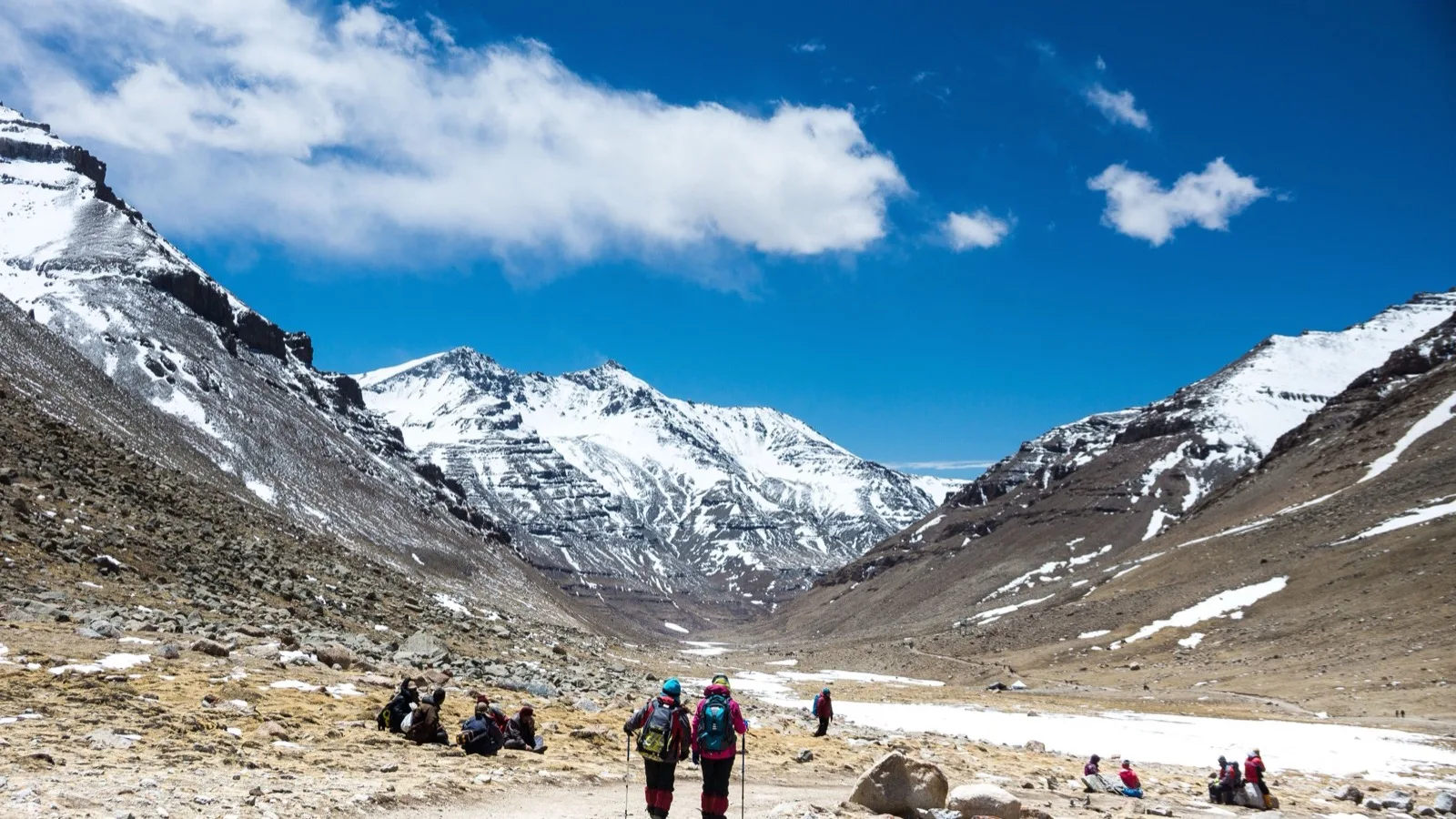
The journey to Yamunotri is a diverse experience. The trail is paved and features a protective railing that extends toward the valley side. While it may be effortless for experienced trekkers, traversing six kilometres at such an elevation is no easy feat. At times, the ascent is sufficiently precipitous to induce both breathlessness and sweating, particularly for those who are not accustomed to walking and are at an altitude exceeding 10,000 feet. Shelters are located every half kilometre or less. In these sheds, there are designated seating areas. There is a drinking water facility available, and there are numerous stores along the route that sell food, snacks, and beverages. Walkers have the option of purchasing a stick to serve as a third limb. A well-developed market is located at Janaki Chatti, where a wide variety of daily necessities are sold. The most prevalent method of traversing the distance is by riding a steed. You have the option of hiring a steed for either a one-way or round-trip. Then, there is a palaki, in which you are raised and carried on the shoulders of four individuals in a seat. Then there is a doli, which is typically used for children and lighter individuals. In this type of transportation, one person transports you on their back in a seat that has been carved into a basket. The current issue is that all individuals are required to share the same trekking trail in order to travel to and from Yamunotri. At certain narrow points, the trail becomes quite congested, and traffic jams occur. Walking becomes a bit of an ordeal. Additionally, the surface of the cemented trail becomes somewhat slippery and unpleasant for the ponies. IMAGINE that there are approximately 2000 ponies at Janaki Chatti that transport pilgrims to Yamunotri. However, one thing is certain: despite occasional whims and grimaces, everyone is content with the situation and regards it as a component of their ascension to the deity.
THE ORIGIN
It is intriguing that, similar to Gangotri, the Yamuna river's true source is not located at Yamunotri. The actual source of the Yamuna River is the SaptrishiKund, a tiny glacial lake in the Bandar Poonch massif that is fed by the Champasar Glacier. This is due to the fact that Gaumukh is located 18 km away from Gangotri. According to reports, this lake is situated at an elevation of over 16,500 feet, approximately 14 to 18 kilometres from the Yamunotri temple. Saptrishikund is also named after the seven famous sages—Kashyapa, Atri, Bharadwaj, Vishvamitra, Gautama, Jamadagni, and Vasistha—due to its mythological association. Due to the scarcity of treks to this location, there is a dearth of information regarding it. It may be somewhat challenging, but it is not unattainable. This is a trek that is truly breathtaking, and it is even mentioned in the Ramayana. Locals frequently assert that this is the location from which Hanuman travelled to seek for Sanjeevani, all the way from Lanka. I aspire to undertake this journey in the future, if not for the legend, then at least for its captivating beauty. According to legends, the actual source of Yamuna was so difficult to access that a temple was constructed in the valley at the present location to worship her. According to Kriteshwar Uniyal, the secretary of the Yamunotri Temple Committee, it was unthinkable for lesser mortals to reach the original source.
THE SHRINE
The Yamunotri temple is composed of three to four primary components. The initial one is the sprout in the rocks from which the Yamuna River arises. The devotees ritually venerate the river at that location. In order to safeguard the sprout, it is enclosed in a cage. Then, there is a proper temple in the vicinity that contains three idols: one of the Yamuna, one of the Ganges, and a third of the Yamuna. These idols are removed during the procession and festivals. Soorya Kund, a hot spring, is situated between these two locations. It is believed that Yamuna is the daughter of the Sun deity. The water in this spring is so heated that it is used to cook rice, which is then returned to the devotees as a Prasad (blessing). This phenomenon has been observed in numerous locations throughout the Himalayas.
Then, there are bath ponds where devotees can take a bath before the pooja. The hot water is combined with the cold water of the Yamuna to make the experience more comfortable. Separate baths are provided for men and women. Additionally, there are a multitude of stores that are arranged in a row, in which they sell food, snacks, drinks, prasads, offerings, and souvenirs. Additionally, there are limited lodging alternatives available for devotees who arrive after hours and may be unable to return to Janaki Chatti before evening.
Quick Facts
The distance between Janaki Chatti and Yamunotri temple is 5.5 kilometres. A typical individual will require 2 to 2 and a half hours to traverse the trail.
- A palaki costs 4000 rupees per trip, while a pony costs 1200 rupees.
- Typically, travellers are permitted to depart from Janaki Chatti in the evening in order to travel to Gangotri until 5 p.m.
- There is an adequate supply of food and water along the route.
- Additionally, there are enclosures that provide protection from the elements, including the sun, rain, and wind.
- Walking toward the hillside is always advisable due to the numerous draws and pushes from a variety of elements.
Refrain from travelling on the pedestrian trail in the dark.
Keep Reading
View All Articles-
Legend & Pilgrimage of the Amarnath Cave
Tucked away at the far end of the Lidder valley in the Greater Himalayas, the Amarnath Cave
-
Shrikhand Mahadev Kailash Yatra
हिमाचल प्रदेश के कुल्लू जिले की गगनचुंबी हिमालयी श्रृंखलाओं में स्थित श्रीखंड महादेव कैलाश यात्रा न केवल भारत के सबसे कठिन पर्वतारोहण मार्गों में से एक है, बल्कि यह सनातन धर्म की गहरी आध्यात्मिक चेतना का जीवंत प्रतीक भी है ।
-
Uttarkashi: Shri Sameshwar Devta
उत्तरकाशी जनपद में श्री समेश्वर देवता परंपरा: ऐतिहासिक उद्भव, क्षेत्रीय देव-पीठ, स्थापत्य एवं सामाजिक-सांस्कृतिक प्रभाव