
Yatri Tools
Best Time to Visit Kedarnath Temple - A Yatri Guide
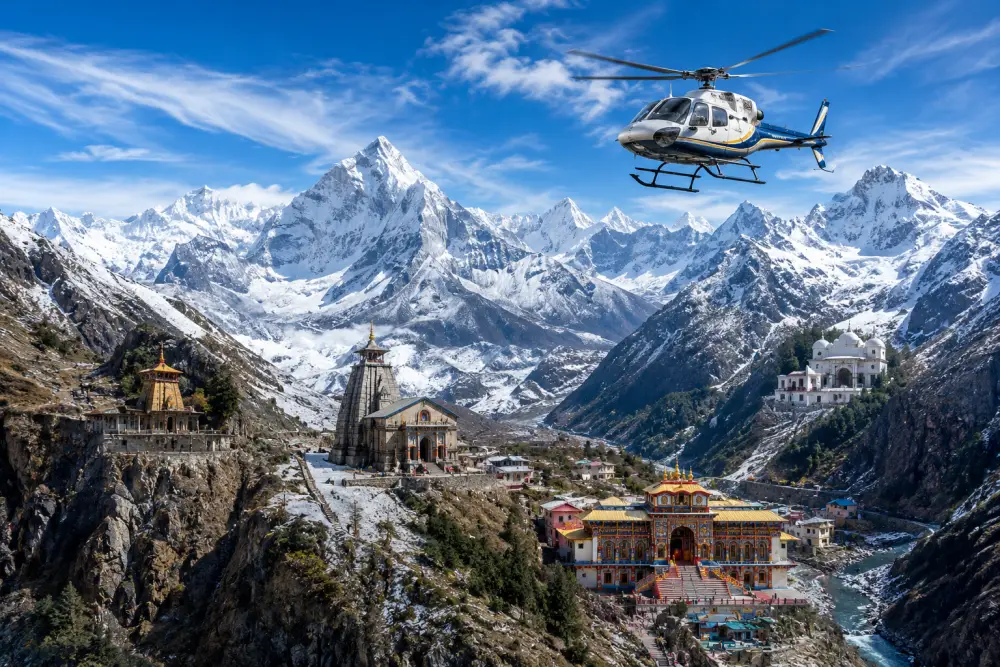
Kedarnath Dham is one of the most sacred places in India. It offers peace, beautiful mountains, and a deep spiritual feeling almost all year round.
 By Spiritual Yatra
4 min read
By Spiritual Yatra
4 min read
But the best time to visit Kedarnath Temple is from September to October. The weather is cool and pleasant, the crowds are smaller, and you can easily get darshan without long waiting lines.
Complete Season Guide, Weather Tips & Festivals (2026)
If you want a quicker and more comfortable trip with affordable stays and fewer weather surprises, choose September or October. May and June are also good because the weather is nice, but these months see huge crowds of pilgrims from all over the world. Winters are very cold with heavy snow, and the temple remains closed. Monsoon brings heavy rain and landslides, so most travelers avoid it.
Here is a simple, complete guide to help you plan your Kedarnath Temple trip.
Kedarnath in Summer (May to June)
Summer in Kedarnath is pleasant and mild. The average temperature stays around 17°C. The weather is perfect for visiting the temple and exploring nearby places. This is one of the most popular times because the roads are open and the scenery is beautiful.
What to pack for summer:
- Comfortable daypack
- Good walking shoes and trekking shoes
- Trekking pants
- Light wool clothes
- Windproof jacket
- Sun hat, sunglasses, and sunscreen
- Lip balm
- Torch with extra batteries
- Walking stick
- Water bottle
- Energy bars, dry fruits, and sports drinks (like Gatorade or ORS)
Kedarnath in Monsoon (July to August)
Monsoon starts in July and ends in August. Temperatures drop to around 12°C. Heavy rains and landslides are common, making travel risky. Most people avoid this season, but if you still plan to go, be well prepared.
What to pack for monsoon:
- Daypack with rain cover
- Waterproof trekking shoes
- Trekking pants
- Windproof and waterproof jacket
- Thick fleece and woollen clothes
- Waterproof gloves and thick woollen socks
- Raincoat or poncho
- Walking stick
- Torch with extra batteries
- Water bottle, dry fruits, and energy drinks (to stay hydrated)
Kedarnath in Winter (November to April)
Winter is very cold with sub-zero temperatures and heavy snowfall. The roads to Kedarnath get blocked, so the temple stays closed from November to April. The whole area is covered in snow and becomes unreachable. The idol of Lord Kedarnath is moved to Ukhimath for the winter months.
Kedarnath Temple Opening and Closing Dates
The Kedarnath Temple opening date is decided on Maha Shivratri. Priests at Omkareshwar Temple in Ukhimath check the Panchang and announce the exact day, which usually falls around Akshaya Tritiya (April-May).
The temple closes two days after Bhai Dooj (after Diwali). The closing happens after the morning puja.
Winter home of Kedarnath: The idols rest at Omkareshwar Temple in Ukhimath from November to April.
Opening and Closing Ceremonies
The opening ceremony of Kedarnath Temple is a grand event. Thousands of pilgrims come from across India and the world. After special prayers by the Rawal and priests, the temple doors open and darshan begins.
The closing ceremony is equally beautiful. Garhwal bands play music as the Doli (palanquin) of Baba Kedar is carried to Ukhimath, the winter seat.
Before the opening, Baba Bhairavnath (the protector of Kedarpur) is worshipped at Omkareshwar Temple. Then the Doli starts its journey.
Best Festivals and Fairs in Kedarnath
Kedarnath becomes even more special during festivals. Here are the major ones you should try to attend:
- Vinayak Chaturthi (September-October): A big festival for Lord Ganesha. Devotees come to pray for happiness and success.
- Samadhi Puja: Held on the last day before the temple closes. A grand puja takes place at Shankaracharya Samadhi behind the main temple.
- Shravani Annakoot Mela (just before Raksha Bandhan): Fresh harvest is offered to the Shivalinga. The entire lingam is beautifully decorated with rice, wheat, maize, and pulses – a stunning spiritual sight.
- Badri Kedar Festival (June): An 8-day cultural festival with music, dance, and folk performances from all over Uttarakhand. Perfect time to experience local culture.
- Hariyali Devi Mela (September-October): Held at Hariyali Devi Temple where the Goddess rides a lion.
- Baisakhi Fair (April 13-14): Celebrated in nearby villages with great joy.
- Madhameshwar Mela: The Doli of Lord Madhyamaheshwar arrives at Ukhimath after winter.
- Pandava Dance: A traditional dance in Rudraprayag area based on the Mahabharata story. It is performed during fairs and Shiva festivals.
Other important festivals celebrated with full energy:
- Ram Navami
- Holi
- Maha Shivratri
- Nag Panchami
- Raksha Bandhan
- Janmashtami
- Diwali
- Dussehra
Diwali at Kedarnath is extra special – the temple and surroundings are lit with thousands of diyas, flowers, and lights. Many celebrities and pilgrims visit during this time.
Final Tip for Your Kedarnath Trip
Whether you come for peace, adventure, or darshan, Kedarnath always leaves a deep impression. Plan your visit between September and October for the best experience with fewer crowds and beautiful weather. If you love festivals and culture, time your trip around the major fairs and events.
Book your stay and travel early, especially during peak months. Carry enough warm clothes, stay hydrated, and respect the holy place.
Keep Reading
View All Articles-
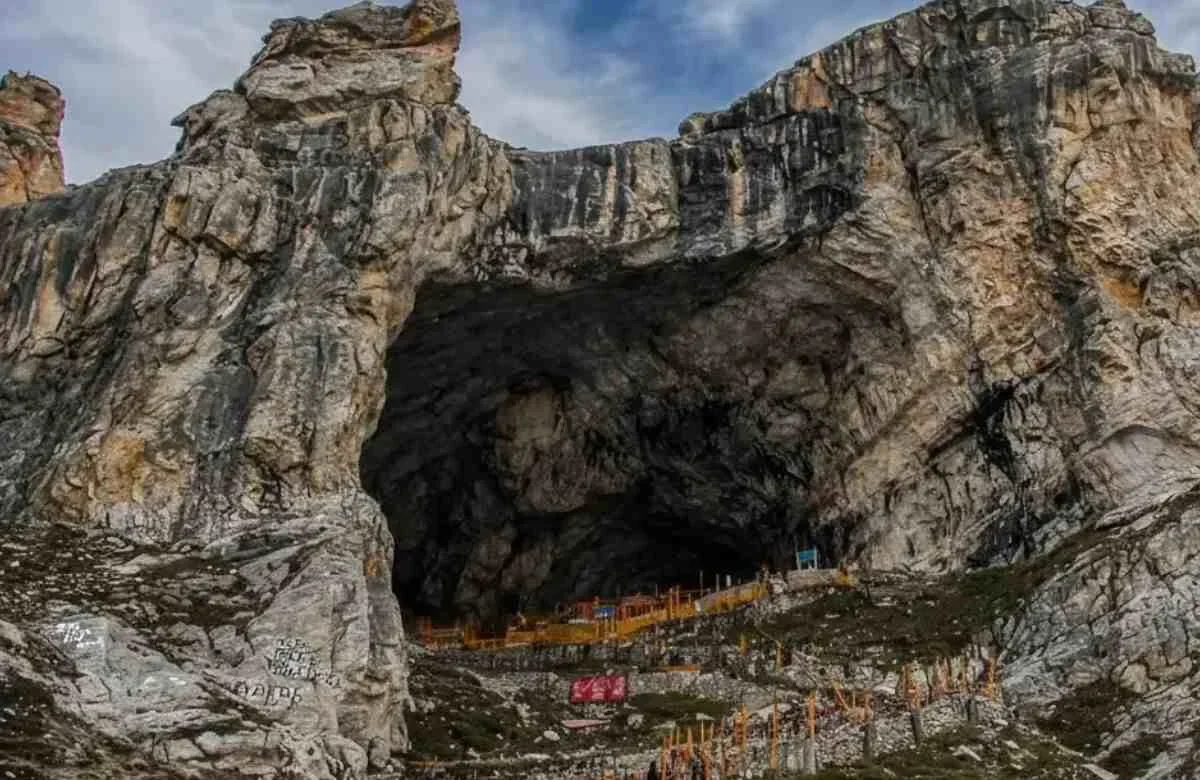
Complete Guide to the Amarnath Yatra: Amareshvara, the Immortal Lord
The annual Amarnath Yatra is a profound manifestation of India's syncretic and inclusive culture, blending religious fervor, secular ethos, and the extraordinary endurance required to traverse the high-altitude terrain of Jammu and Kashmir.
-
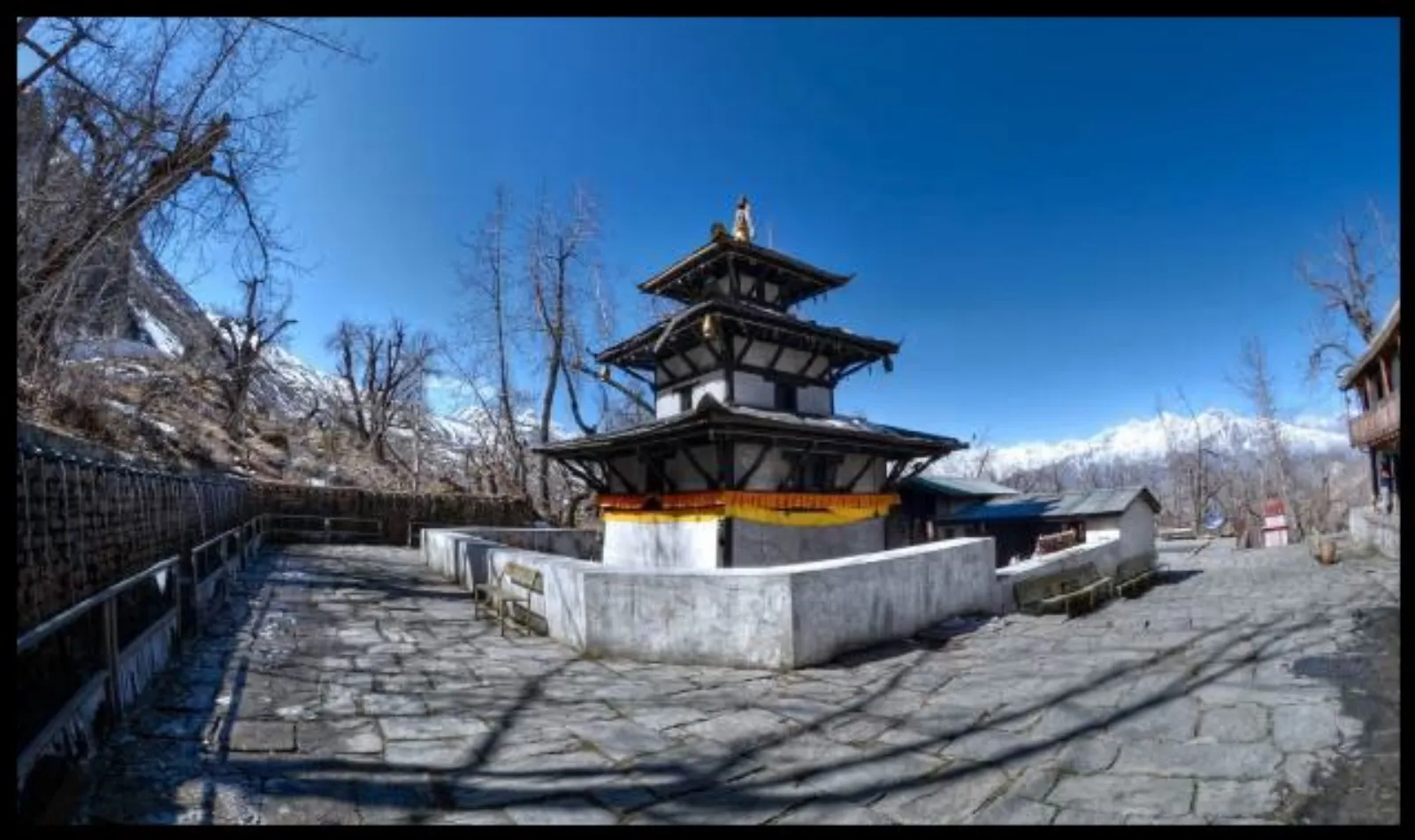
Complete Guide to Muktinath (Muktikshetra): The Ultimate Pilgrimage in Nepal
Muktinath, known traditionally as Muktikshetra (the site for salvation), stands as one of the most spiritually profound, historically rich, and visually breathtaking pilgrimage destinations in the world.
-
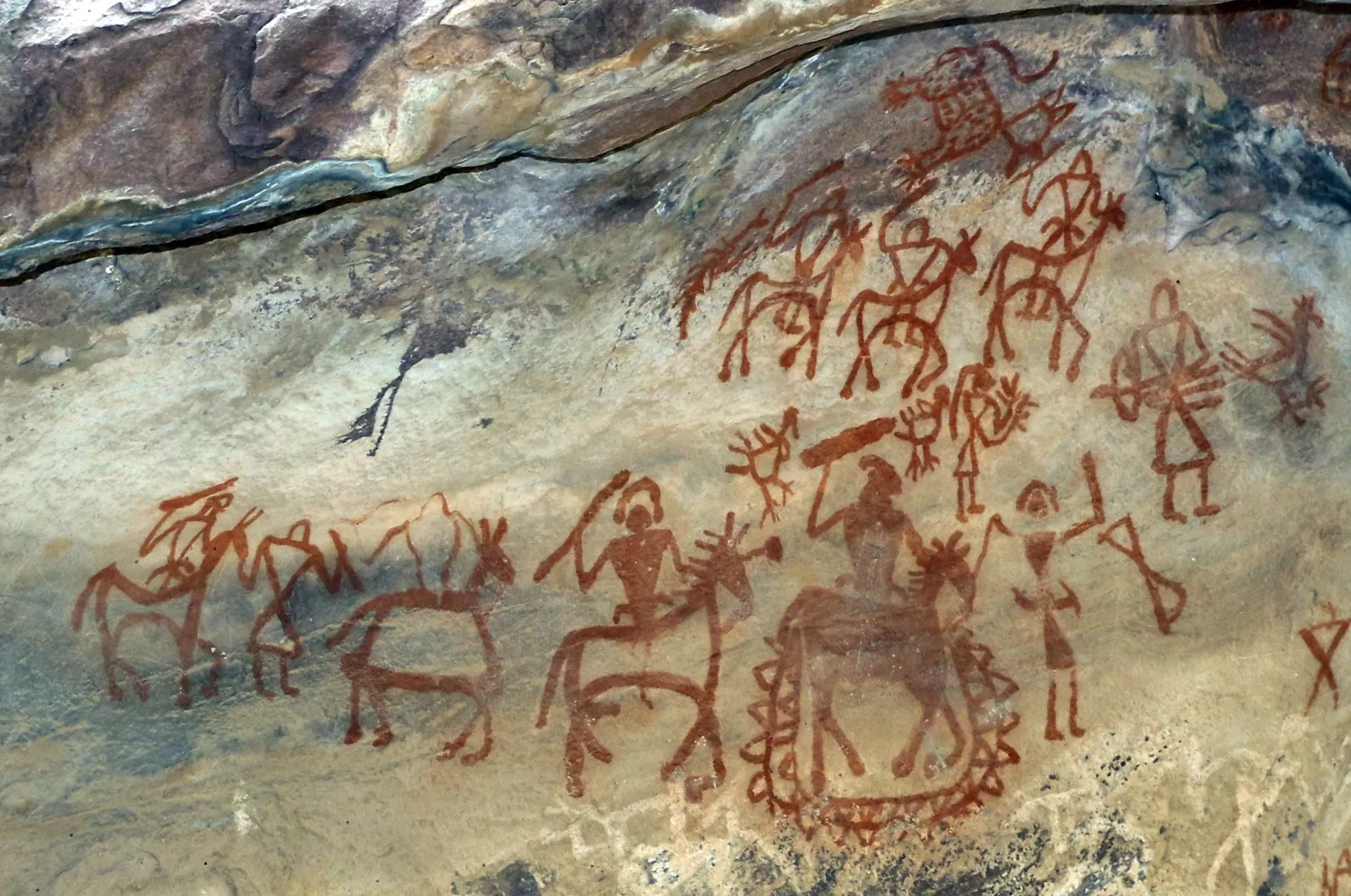
Bhimbetka's Primeval Paintings: A Journey Through Time
On a train journey in 1958 to Bhopal in Madhya Pradesh, archacologist V.S. Wakankar made an immediate note of what would have seemed to be mere rock formations to the untrained eye but were, in fact, rock shelters and caves in the distant hills.