Verified Local Directory
Five excursions in Uttarakhand - A monsoon Guide
The initial rainfall of the monsoon not only provides a brief respite from the intense heat but also revitalises the verdant foliage of the natural world.
 By Spiritual Yatra
4 min read
By Spiritual Yatra
4 min read

Five excursions in Uttarakhand that are not to be missed during the monsoon season
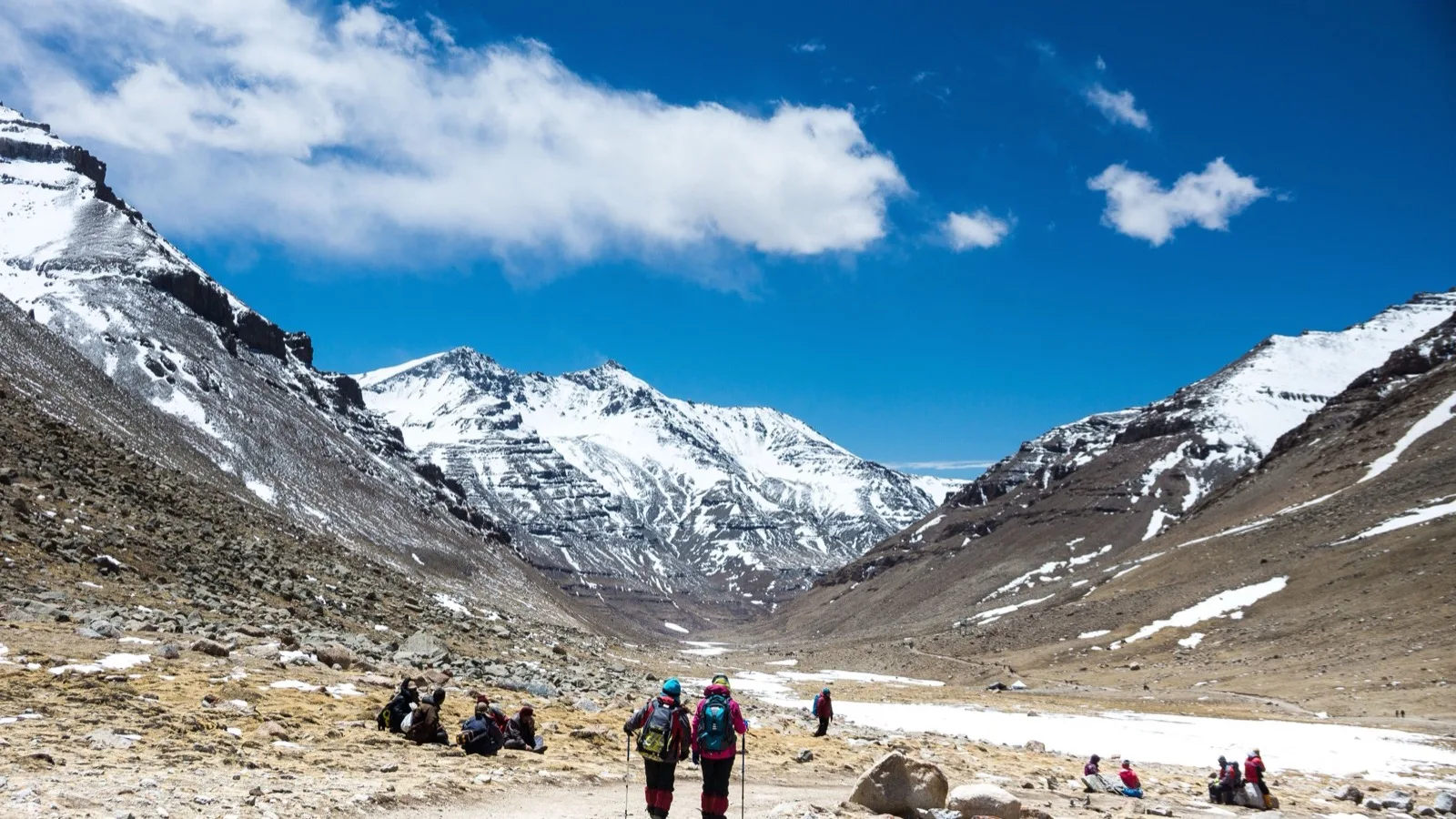
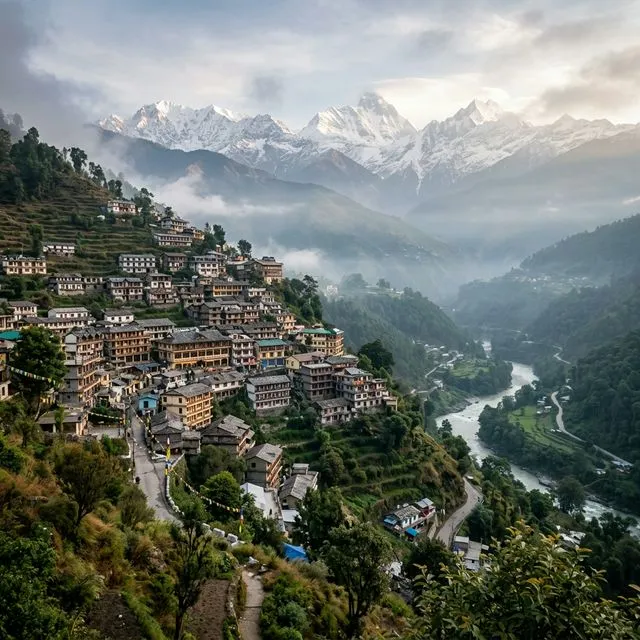
The initial rainfall of the monsoon not only provides a brief respite from the intense heat but also revitalises the verdant foliage of the natural world. The season is also one of the most ideal times of the year to immerse oneself in the vibrant culture and traditions of the mountains, particularly those of Uttarakhand. This is due to the fact that the state celebrates some of its most beautiful festivals during this period, such as the Shivaratri festivities in Kangra and Chamba, the Harela festival that signals the commencement of the monsoon, and the Nandashtami festival that is observed by the indigenous Bhotiya community in the northern regions of the state. During the monsoon season, the following are five picturesque trekking routes that provide the best of both nature and local culture.
Valley of Flowers
One of the most popular excursions in India, the Valley of Flowers is surrounded by mountains, dotted with gurgling streams, strewn with flowers, and offering a much-traveled path. More so during the monsoon, as the blooms are at their most vibrant during the rain. The monsoon season is characterised by the bloom of over 500 flower varieties, among which is the unusual Himalayan Brahmakamal, named the "state flower." The valley is one of the oldest trekking routes in India and is also a UNESCO World Heritage Site. This trek differs from others in that it includes a steep and challenging climb to Hemkund Sahib, as well as longer trekking days. As you approach Hemkund Sahib, you will enter the alpine zone and be granted a bird's-eye view of the Valley of Flowers and Ghangaria.
The valley, which is situated 3,600 meters above sea level, provides you with a unique assortment of flowers every 10 steps, envelops you in tranquillity at the Hemkund Sahib, and inspires you with awe and faith in the wonder of nature's creation and the extraordinary journey that humanity undertakes to experience it.
Chamoli Region
Moderate Difficulty
Seven days are the duration.
Trekking through Nanda Devi National Park
The Nanda Devi National Park is one of the core areas of the larger Nanda Devi Biosphere Reserve, in addition to the Valley of Flowers National Park. While peak monsoon may not be the optimal time to start a trekking expedition in this stunning region of the Himalayas, which is characterised by the divine presence of rhododendron, birch, and juniper forests. The ideal time to embark on an expedition in this location is from late August to early September, when the downpour is less intense. And if you are fortunate, you may also observe blue sheep, black bear, and musk deer. The elusive snow leopard is also found in the region. However, the route itself is the true highlight of this trek, as it provides unparalleled views of the surrounding peaks, including Bethartoli, Dunagiri, Changabang, Trishul, Nanda Devi East, and Nanda Devi West, despite its moderate difficulty.
Chamoli Region
Moderate Difficulty
Duration: six days
Nag Tibba Trekking
The Nag Tibba trek is an irresistible option during the monsoon, as it is one of the most rewarding and quickest excursions that the Garhwal Himalayas have to offer. The route undergoes a scenic transformation, and the foliage in the vicinity comes to life. The summit of this trek is the highest in the Nag Tibba range, situated at approximately 3022 meters. It is an easy-moderate trek that is particularly suitable for novices and is one of the few that offers the opportunity to observe breathtaking sunsets. The towering snow-capped peaks of Swargarohini, Bandarpoonch, Kalanag, Srikanth, and Gangotri may be visible if you are fortunate.
Region: Tehri-Garhwal
Difficulty: Moderate-easy
Duration: Two days
Trekking from Chopta to Chandrasila
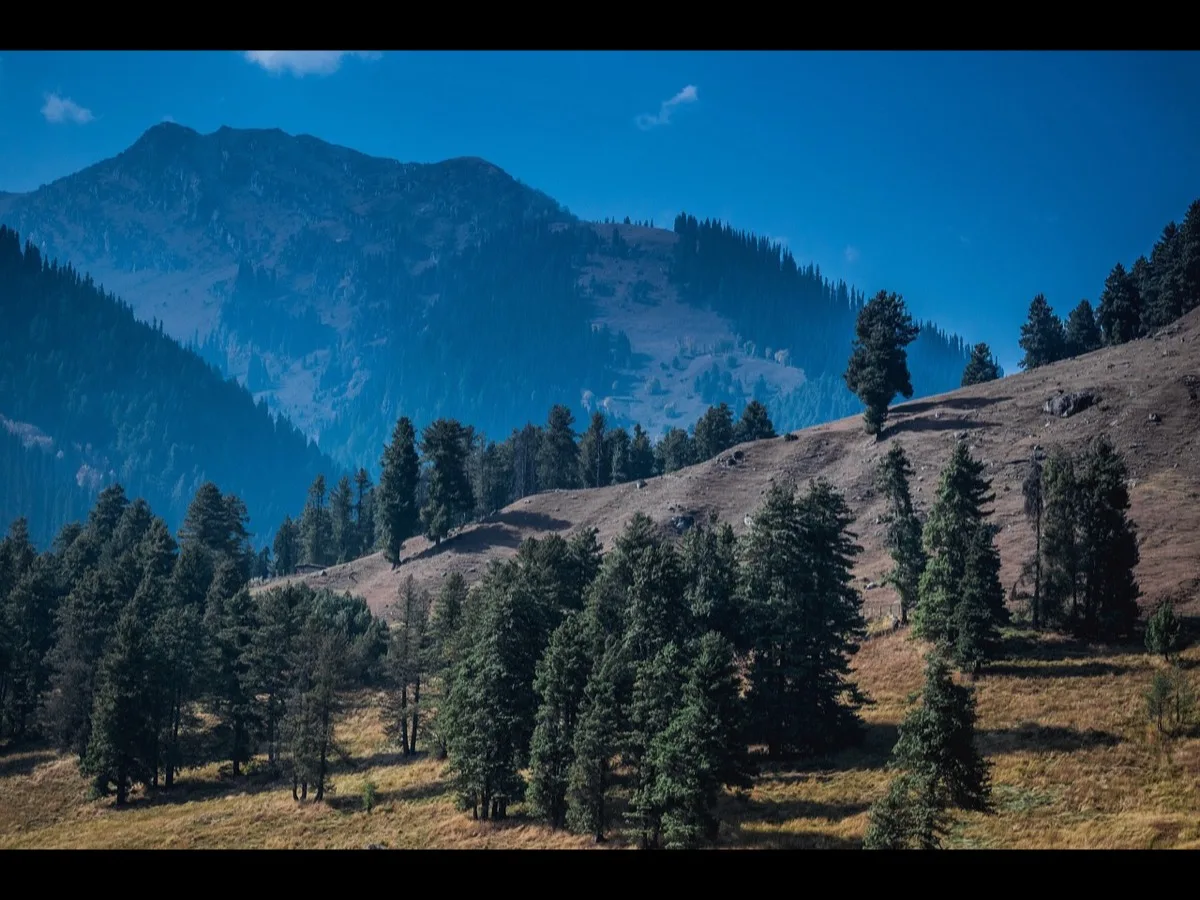
The trek to Chopta and subsequent ascent to Chandrashila is one of the most rewarding monsoon excursions in Uttarakhand. Surrounded by an imposing forest of oak, deodar, and rhododendron, Chopta is situated at an elevation of 2,680 m. The forest takes on a mystical appearance both during and after the downpour. The initial leg of the journey will transport you from Chopta to Tungnath, one of the Panch Kedar shrines and the highest Lord Shiva temple in the globe. Chandrashila Peak is reached via an additional segment of the accent from this point. Chaukhamba and Janhukut are among the Himalayan peaks that will captivate you from the summit.
Difficulty: Moderate
Region: Rudraprayag
Timeframe: 6-7 days
Dayara Bugyal Trek
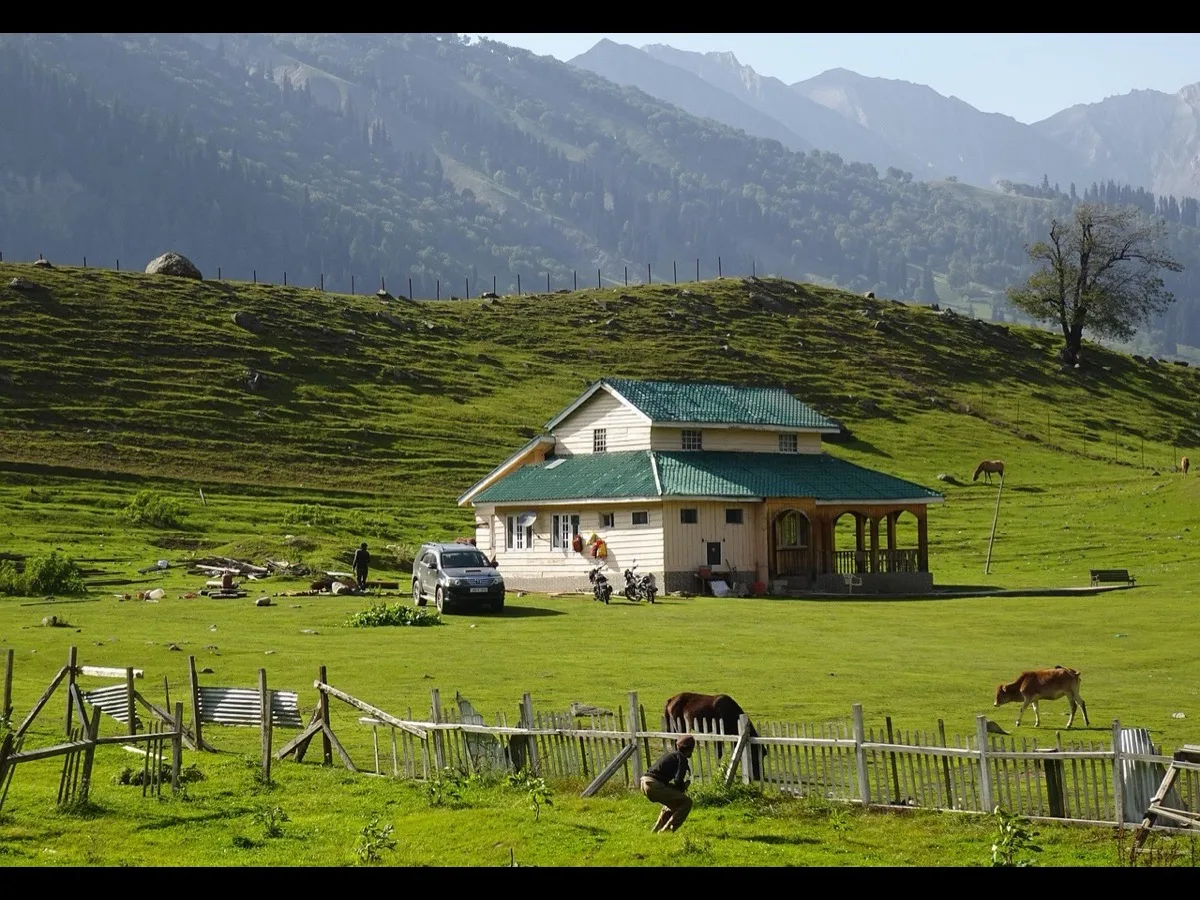
Dayara Bugyal (meadow) is a breathtaking expanse of rolling greens that is renowned as the most attractive meadow in India. It is nearly infinite in length, and each dip and rise reveals a secret as one traverses it. It is an all-season route that is approachable to even novice hikers; however, it provides an exceptional view of nature during the monsoon. The emerald oasis is surrounded by the snow-capped peaks of Mt Banderpoonch, Mt Srikanth, Draupadi Ka Danda, and Mt Jaunli, and it is characterised by a fresh landscape of every hue of green, carpeted with bursts of vibrant wildflowers. The towering peaks appear to emerge from the undulating verdant meadow, creating a memorable experience.
Difficulty: Moderate-easy
Location: Uttarkashi Duration: 6-7 days
Keep Reading
View All Articles-
Sacred Shaktipeeth of Goddess Kali: The Bhimakali Himachal Pradesh
Bhimakali Temples are sanctuaries of the Bushahr rulers of Rampur Golden finials representing the sun and the moon pierce the skies firom the roofs of the Bhimakali Temple's main shrines
-
The Ajmer Dargah: A World-Revered Sufi Shrine of Healing
The Dargah of Khwaja Moinuddin Chishti in Ajmer is one of the most important Sufi shrines in the Indian subcontinent.
-
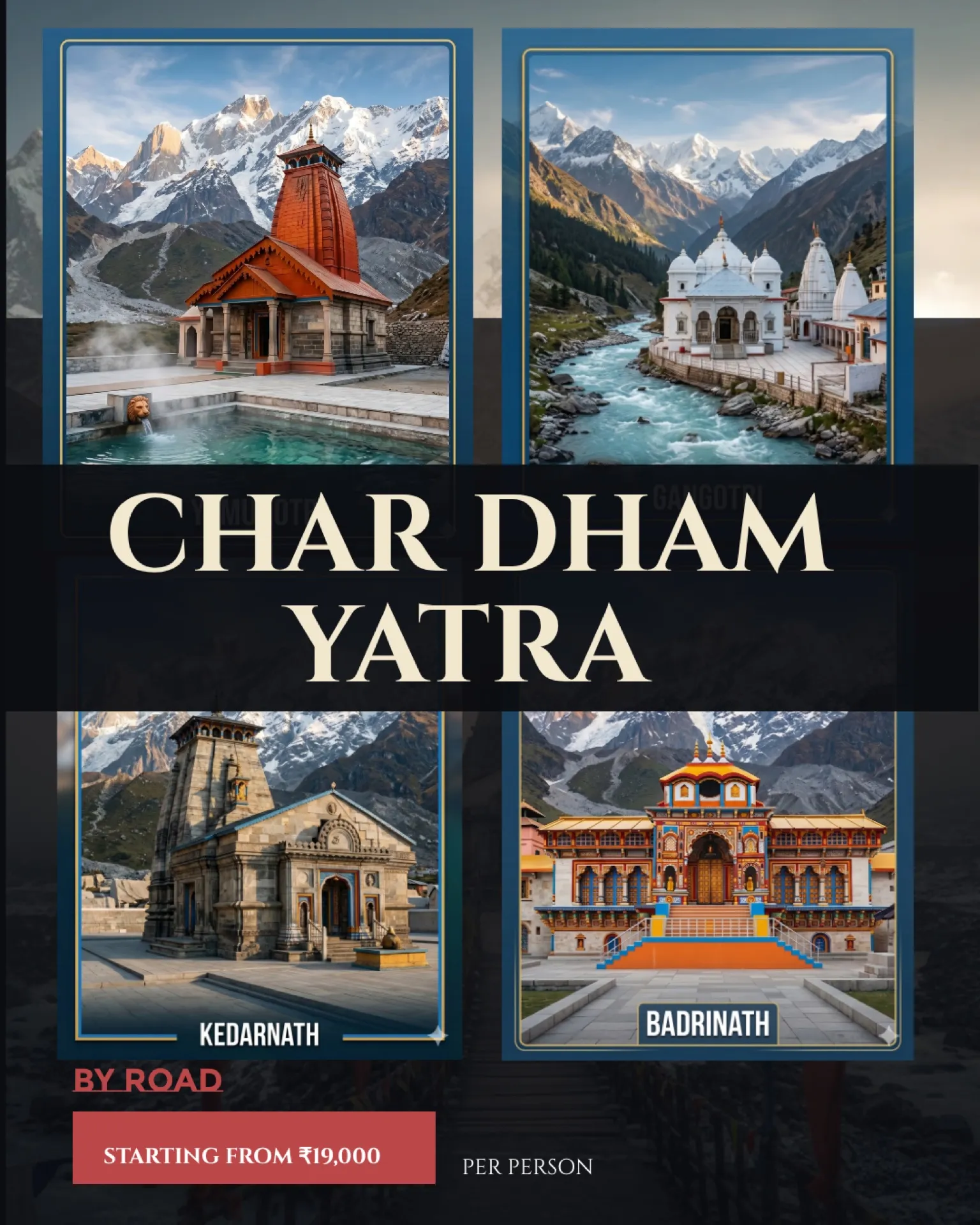
Types of Permits and Registrations for Char Dham Yatra
Char Dham Yatra to Yamunotri, Gangotri, Kedarnath and Badrinath is no longer just a free‑flow pilgrimage: it is carefully regulated for safety, crowd management and environmental protection.