




Meditation
Silence Heals Too: What Nutrition and Neuroscience Say About Mauna (Sacred Silence)
Have you ever noticed how peaceful you feel after sitting quietly for a few minutes? No phone. No conversations. No music. Just silence.
 By Dt. Richa Sharma
4 min read
By Dt. Richa Sharma
4 min read

Have you ever noticed how peaceful you feel after sitting quietly for a few minutes?
No phone. No conversations. No music. Just silence.
At first, it can feel uncomfortable. We are so used to filling every empty moment with sound that silence almost feels unfamiliar. But if you stay with it, something changes. Your breathing slows. Your thoughts become less chaotic. You begin to feel lighter.
For centuries, Indian spiritual traditions have called this practice Mauna-the conscious choice to remain silent. It isn't about refusing to speak or isolating yourself from others. It is about giving your mind a chance to rest.
Interestingly, modern science is beginning to understand why this ancient practice has stayed relevant for so long.

Your Brain Needs Quiet More Than You Think
Think about your average day. Messages arrive one after another. Notifications buzz. Meetings, traffic, conversations, reels, podcasts the brain rarely gets a break.
Even when we're "relaxing," we're usually consuming more information.
Silence is different. It gives the brain a chance to slow down instead of constantly reacting. Researchers have found that quiet moments allow the brain to process memories, organize thoughts, and recover from mental overload. It's a bit like closing all the unnecessary tabs on your laptop so it can work smoothly again.
Many people describe this feeling as "mental clarity." Science simply offers another way to explain it.
Silence Helps the Nervous System Shift Gears
When life feels stressful, the body switches into survival mode. Your heart beats faster, muscles stay tense, and stress hormones remain elevated.
That response is useful in emergencies, but not when it becomes your everyday state.
Intentional silence especially when paired with slow breathing encourages the body to move into its "rest and digest" mode. Your breathing naturally becomes calmer, your heart rate settles, and the nervous system begins to feel safe again.
You may not notice dramatic changes in ten minutes, but over time, these quiet pauses can make everyday stress feel easier to handle.
What Does This Have to Do with Nutrition?
Quite a lot, actually.
As a dietitian, I've often noticed that nutrition is not only about what we eat but also about how we eat.
Many of us finish meals while answering emails, watching television, or scrolling endlessly on our phones. Before we know it, the plate is empty, yet we barely remember tasting the food.
Silence changes that experience.
When you eat without distractions, you naturally slow down. You chew more. You notice flavours that usually go unnoticed. Most importantly, you become aware of when your body has had enough.
This simple habit supports mindful eating without following another complicated rule.
A Calm Mind Often Supports Better Digestion
There's a reason people say not to eat when you're upset.
Stress doesn't just affect your mood it also influences digestion. When the body is busy dealing with stress, digestion isn't its highest priority. You may notice bloating, indigestion, or that heavy feeling after meals.
Creating a peaceful environment before eating even sitting quietly for two or three minutes can help your body prepare for digestion.
It isn't magic. It's simply giving your digestive system the right conditions to do its job.
Silence Can Change Your Relationship With Food
Have you ever reached for snacks simply because you were overwhelmed?
Most of us have.
Stress often pushes us toward foods that provide quick comfort, especially those high in sugar, salt, or fat. They offer temporary relief but rarely solve the reason we were eating in the first place.
A few moments of silence create a pause between the feeling and the action.
Sometimes, you realise you weren't hungry at all you were simply tired, anxious, or emotionally drained.
That awareness alone can completely change your eating habits.
You Don't Need a Silent Retreat
When people hear the word Mauna, they often imagine spending days without speaking in an ashram.
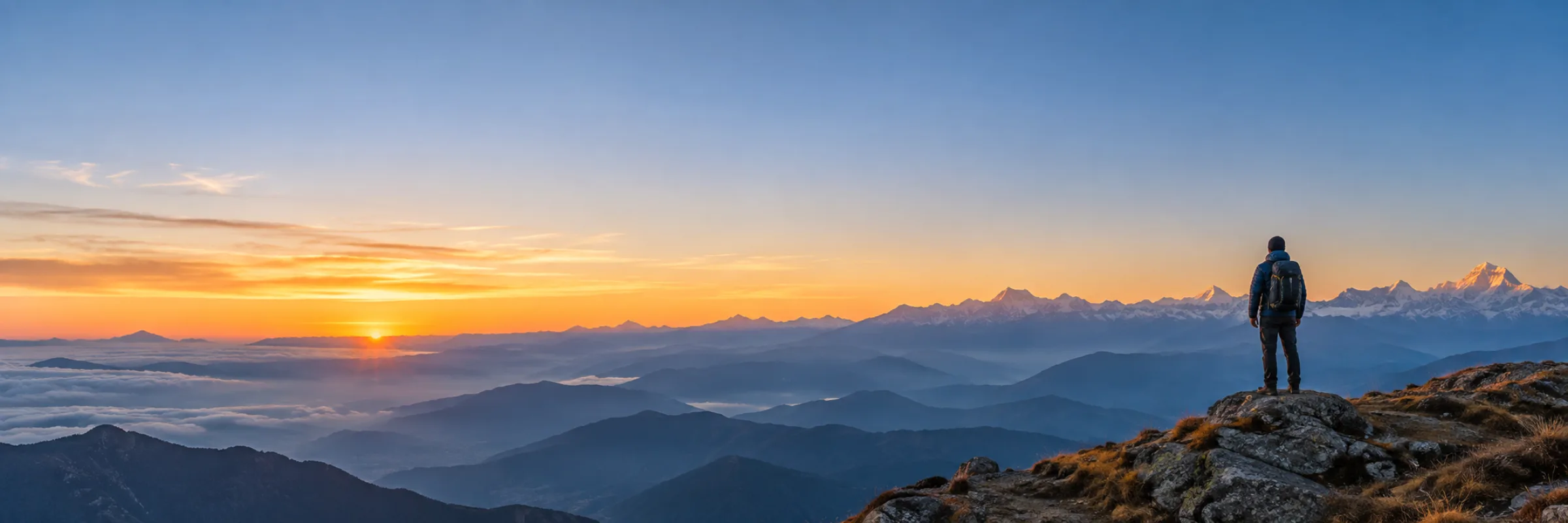
It doesn't have to be that way.You can begin with small moments.Drink your morning tea without your phone.Take a ten-minute walk without headphones.Sit quietly before dinner.Spend five minutes watching the sunrise instead of checking notifications.
These tiny pauses may seem insignificant, but they gently remind the brain that it doesn't have to stay alert every second of the day.
Perhaps Silence Is Also Nutrition
We usually think of nourishment as proteins, vitamins, minerals, and healthy meals.
Those things matter.
But maybe nourishment also includes moments that feed the mind.
Just as our body benefits from wholesome food, our brain benefits from stillness. Silence cannot replace a balanced diet or healthy lifestyle, but it can support both by reducing stress, improving awareness, and helping us reconnect with ourselves.
The ancient practice of Mauna teaches something beautifully simple: not every answer comes from speaking more.
Sometimes, the deepest healing begins when we choose to listen instead.
—Because in a noisy world, silence isn't empty. It is restorative.
Keep Reading
View All Articles-
गायत्री मंत्र जप की सरल विधि
साधारण साधकों (common sadhaks) के लिए गायत्री मंत्र जप की सरल विधि, उसके नियम और शास्त्रों की मान्यताओं को यहाँ बहुत ही सरल और सुबोध हिंदी में समझाया गया है:
-
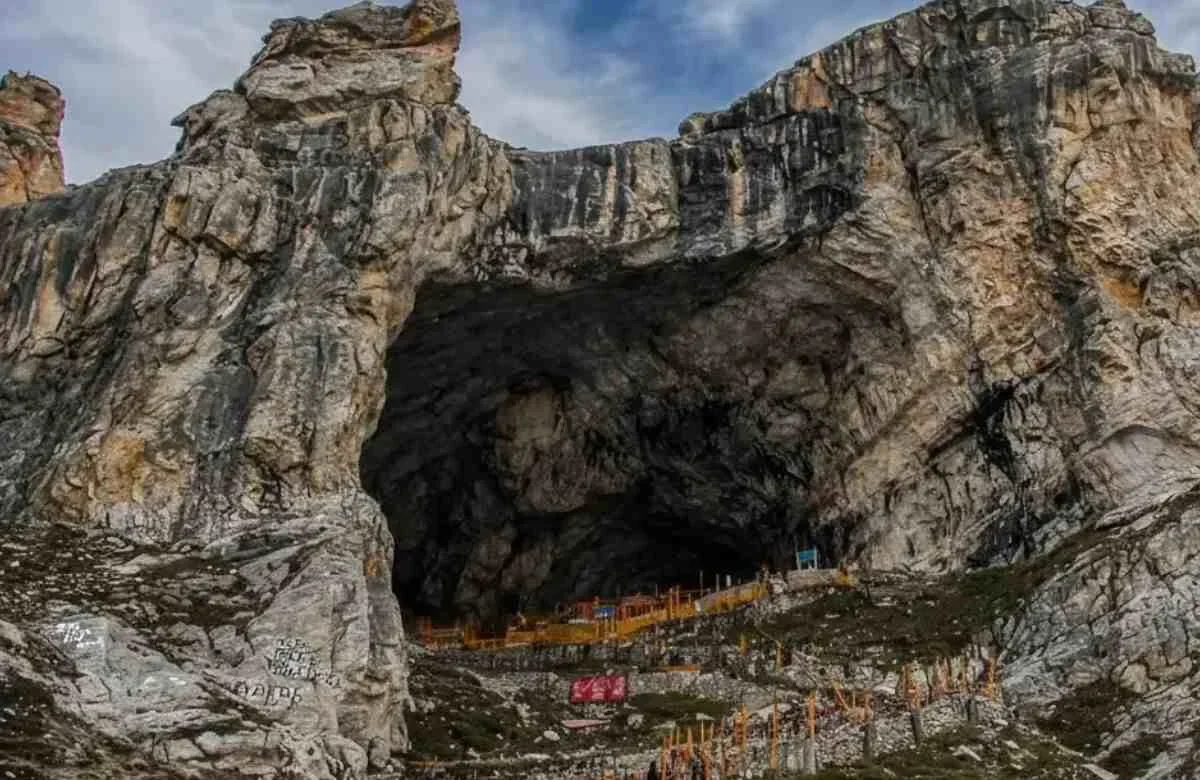
Complete Guide to the Amarnath Yatra: Amareshvara, the Immortal Lord
The annual Amarnath Yatra is a profound manifestation of India's syncretic and inclusive culture, blending religious fervor, secular ethos, and the extraordinary endurance required to traverse the high-altitude terrain of Jammu and Kashmir.
-
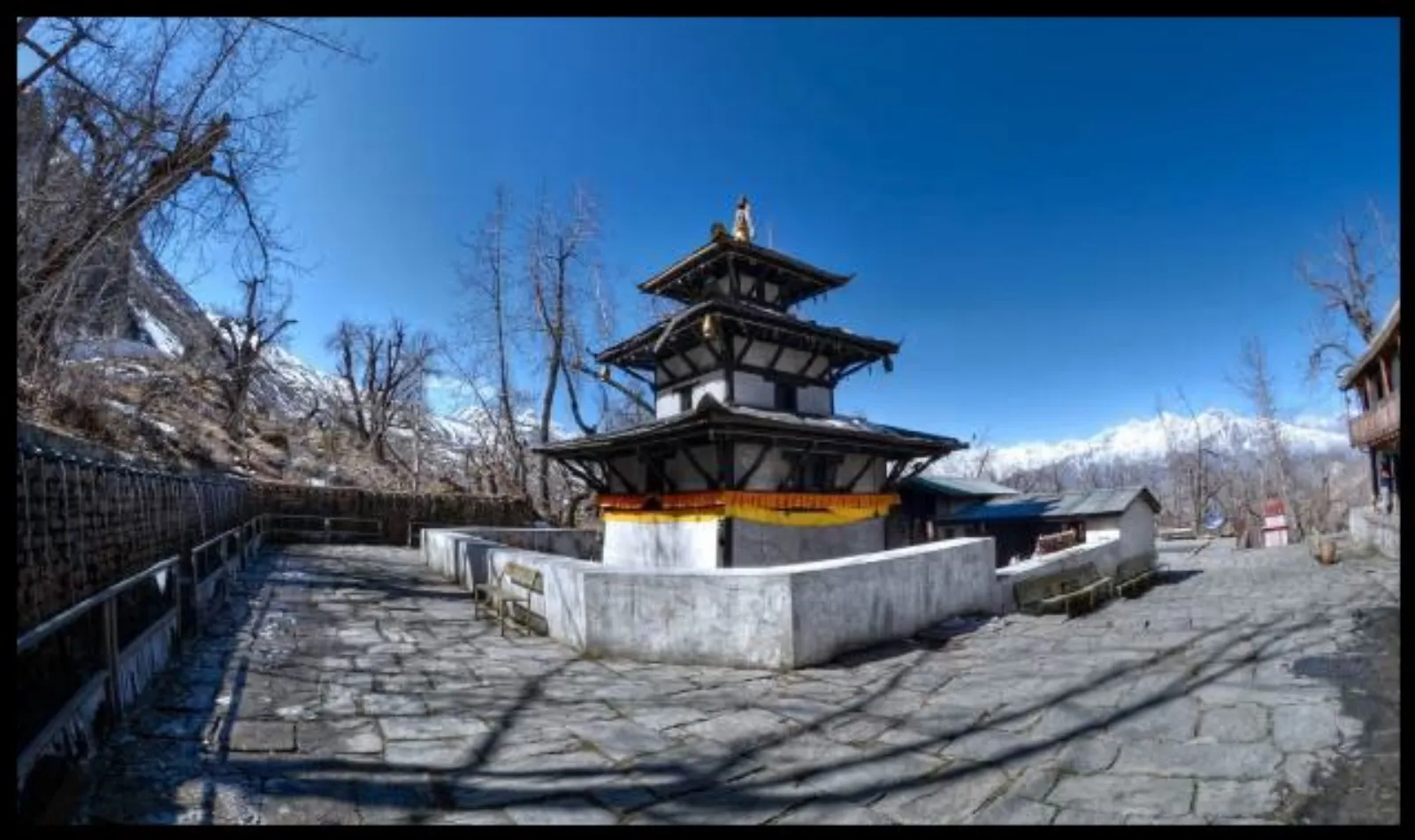
Complete Guide to Muktinath (Muktikshetra): The Ultimate Pilgrimage in Nepal
Muktinath, known traditionally as Muktikshetra (the site for salvation), stands as one of the most spiritually profound, historically rich, and visually breathtaking pilgrimage destinations in the world.