





Pure Foods & Wellness Sourcing
Top famous fruits and pulses of Uttarakhand
The unique climate of Uttarakhand spanning temperate valleys to high Himalayan belts produces some of India’s most distinctive wild berries, orchard fruits, and nutrient-dense Pahadi (mountain) pulses.
 By Spiritual Yatra
3 min read
By Spiritual Yatra
3 min read

The unique climate of Uttarakhand spanning temperate valleys to high Himalayan belts produces some of India’s most distinctive wild berries, orchard fruits, and nutrient-dense Pahadi (mountain) pulses.
🍑 Famous Fruits of Uttarakhand
Uttarakhand’s fruits are broadly categorized into wild forest berries (celebrated for their medicinal properties and local folklore) and cultivated hill orchard fruits.
1. Wild & Indigenous Mountain Fruits
- Kafal (Wild Bayberry): The State Fruit of Uttarakhand. These small, dark-red to purple berries ripen in early summer (May–June). Juicy, sweet, and tangy, locals typically enjoy them freshly tossed with Pisa Namak (traditional Himalayan herb-infused salt).
- Hisalu (Golden Himalayan Raspberry): A bright golden-yellow wild berry found in thorny bushes across Garhwal and Kumaon. It is sweet, tart, and highly refreshing during peak summer.
- Kilmora (Indian Barberry): Dark purple, elongated berries packed with antioxidants. Its roots and extracts are extensively used in Ayurveda to treat diabetes and digestive disorders.
- Timla & Bedu (Wild Himalayan Figs):
-
-
Timla bears sweet, honey-like fig fruits, and its broad leaves are traditionally used as eco-friendly dining plates (pattal) during rituals.
-
Bedu produces small purple figs eaten fresh or cooked into traditional curries when unripe.
-
- Buransh (Rhododendron Flowers/Fruit): Though technically the state flower, its deep-red flower petals are harvested like fruit to make the famous, crimson Buransh squash and juice, renowned for heart and immunity benefits.
2. Cultivated Orchard Fruits
- Malta (Himalayan Hill Orange): A staple citrus fruit of the winter months. Sweet, tangy, and rich in Vitamin C, Malta is widely consumed fresh or processed into squashes.
- Aadu (Peach) & Khubani (Apricot): Thriving in cooler altitude regions like Ramgarh, Mukteshwar, and Nainital, these stone fruits are major commercial crops valued nationwide for their flavor and organic quality.
- Pulams (Plums) & Strawberries: Apple and plum orchards blanket regions across Nainital and Dehradun, supplying high-grade produce.
🫘 Famous Pulses (Pahadi Dals) of Uttarakhand
Grown in chemical-free, mineral-rich mountain soil, Pahadi pulses are known for their dense nutritional profile, distinct earthy aroma, and thermal properties that keep the body warm.
| Pulse Name (Local / Common) | Botanical / English Name | Key Characteristics & Culinary Specialty |
| Gahat / Kulath | Horse Gram | The Health Powerhouse: Highly revered in Ayurveda for breaking down kidney stones and regulating body temperature. Used to make Ghatwani soup or stuffed parathas. |
| Kala Bhatt | Black Soybean | Rich in iron, protein, and Omega-3. It is the hero ingredient in two signature Pahadi dishes: Bhatt ki Churkani (a roasted gravy dish) and Dubke. |
| Pahadi Rajma | Kidney Beans (Harshil, Munsiyari, Chakrata varieties) | Uttarakhand produces some of India's finest Rajma varieties. Grown in high-altitude Gangotri and Johar valleys, these beans cook quickly and yield an buttery gravy. |
| Pahadi Urad / Kala Maas | Black Gram | Organic, unpolished black lentils. It is coarse-ground to prepare Chainsoo (dry-roasted, slow-cooked dal) and crisp Badi/Pakodas. |
| Pahadi Toor / Tor | Mountain Pigeon Pea | Smaller-seeded and more aromatic than lowland Arhar/Toor. Sourced mainly from hill terraces and cooked whole with skin. |
| Naurangi / Rayansh | Nine-Colored Beans | A local heritage pulse featuring multi-colored grains, known for high dietary fiber and easy digestibility. |
Culinary Insight: Traditional Pahadi cooking relies heavily on slow-cooking these pulses in iron pans (kadhai), which imparts a distinct dark color, smoky aroma, and boosted iron content to dishes like Chainsoo and Bhatt ki Churkani.
Keep Reading
View All Articles-
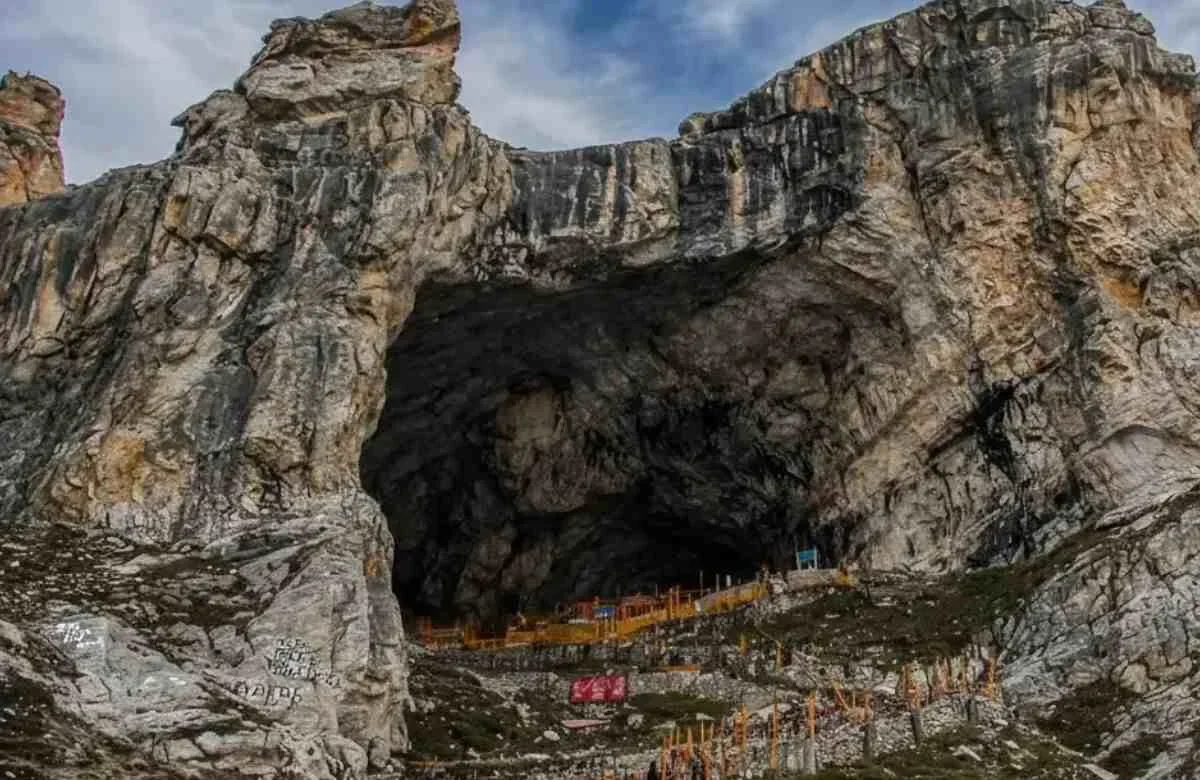
Complete Guide to the Amarnath Yatra: Amareshvara, the Immortal Lord
The annual Amarnath Yatra is a profound manifestation of India's syncretic and inclusive culture, blending religious fervor, secular ethos, and the extraordinary endurance required to traverse the high-altitude terrain of Jammu and Kashmir.
-
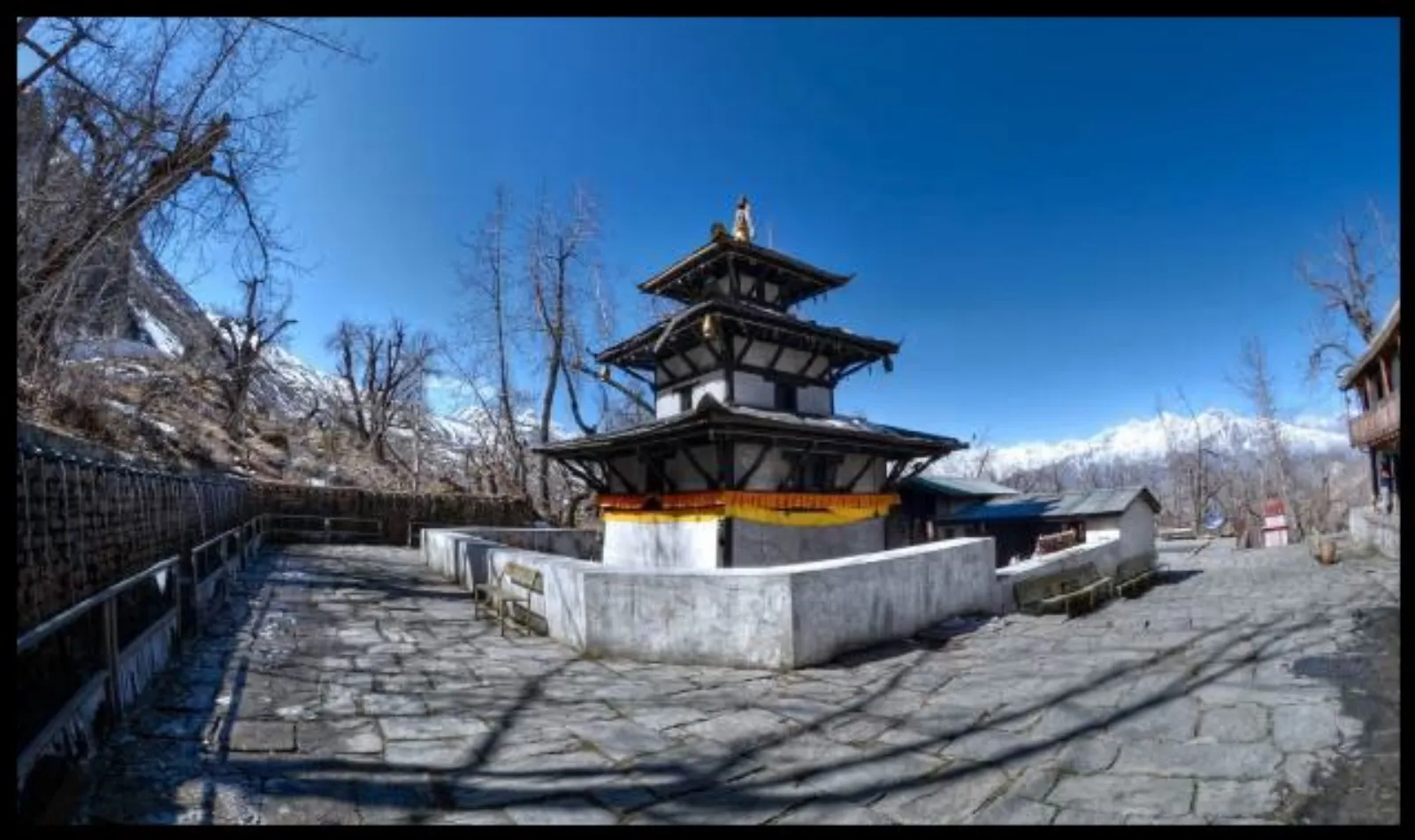
Complete Guide to Muktinath (Muktikshetra): The Ultimate Pilgrimage in Nepal
Muktinath, known traditionally as Muktikshetra (the site for salvation), stands as one of the most spiritually profound, historically rich, and visually breathtaking pilgrimage destinations in the world.
-
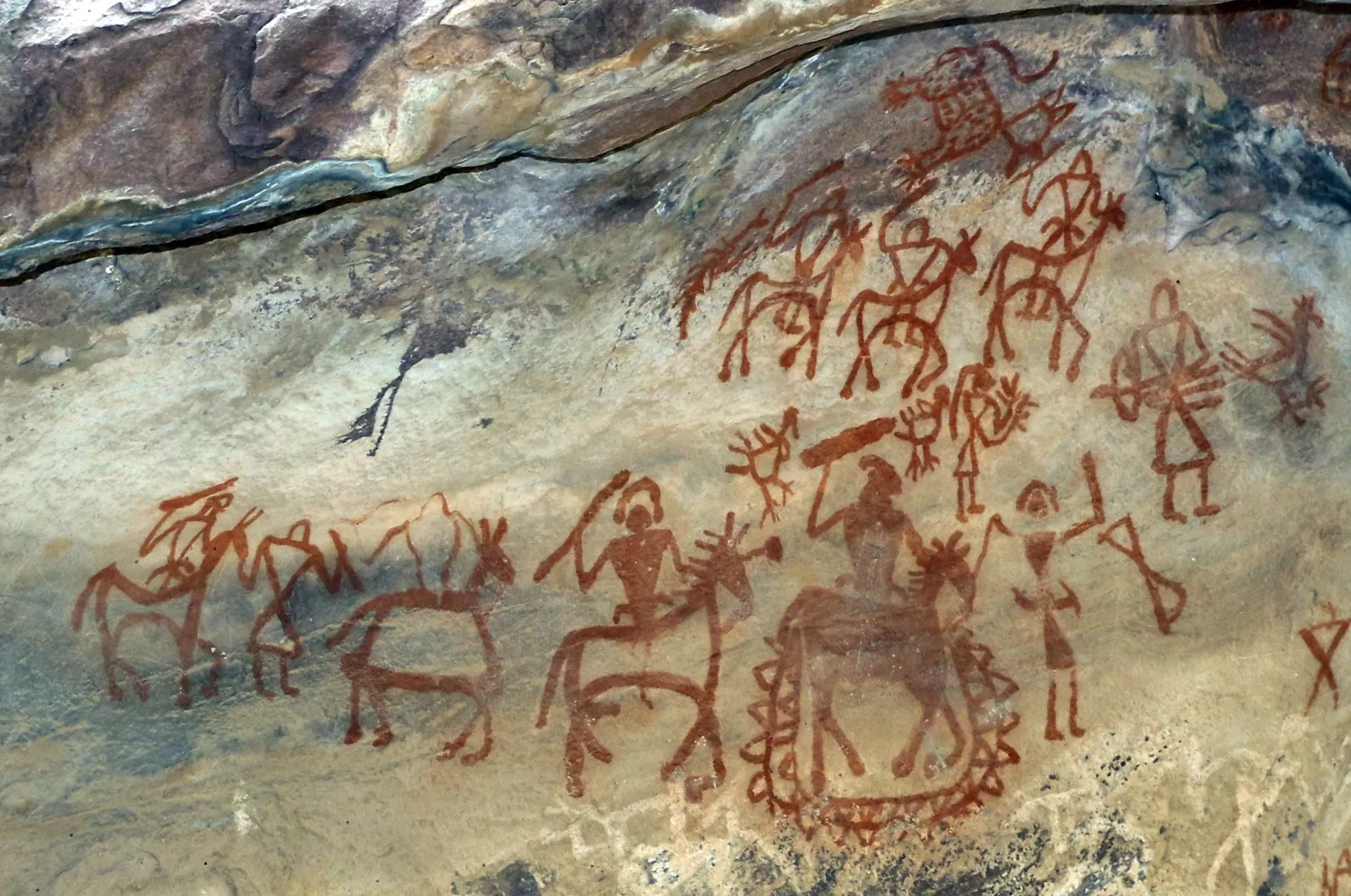
Bhimbetka's Primeval Paintings: A Journey Through Time
On a train journey in 1958 to Bhopal in Madhya Pradesh, archacologist V.S. Wakankar made an immediate note of what would have seemed to be mere rock formations to the untrained eye but were, in fact, rock shelters and caves in the distant hills.