


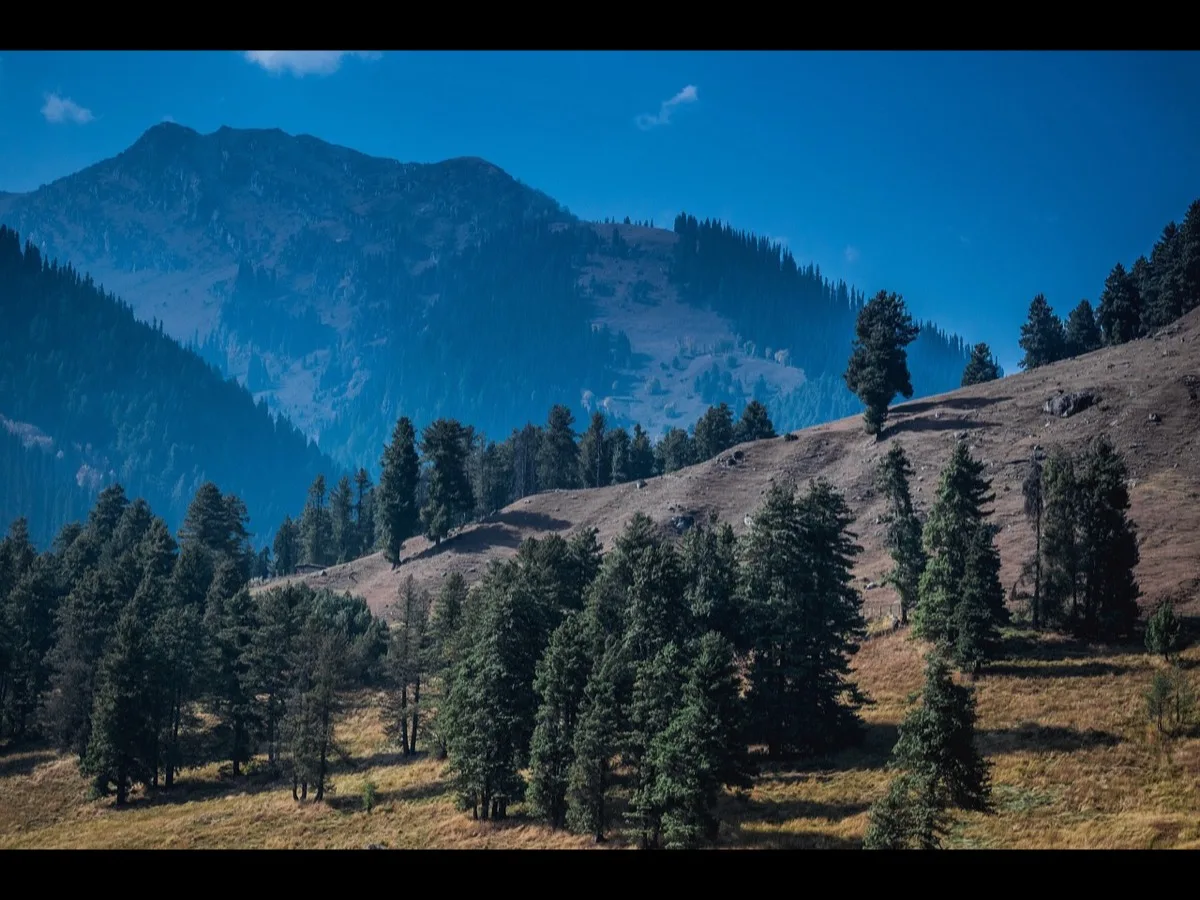

Riverside & Ghat Yatra
Water Quality and Usage at the Panch Prayag, Uttarakhand
The Panch Prayag refers to the five sacred confluences in the Garhwal Himalayas of Uttarakhand, where various tributaries meet the Alaknanda River.
 By Spiritual Yatra
3 min read
By Spiritual Yatra
3 min read

1. Introduction
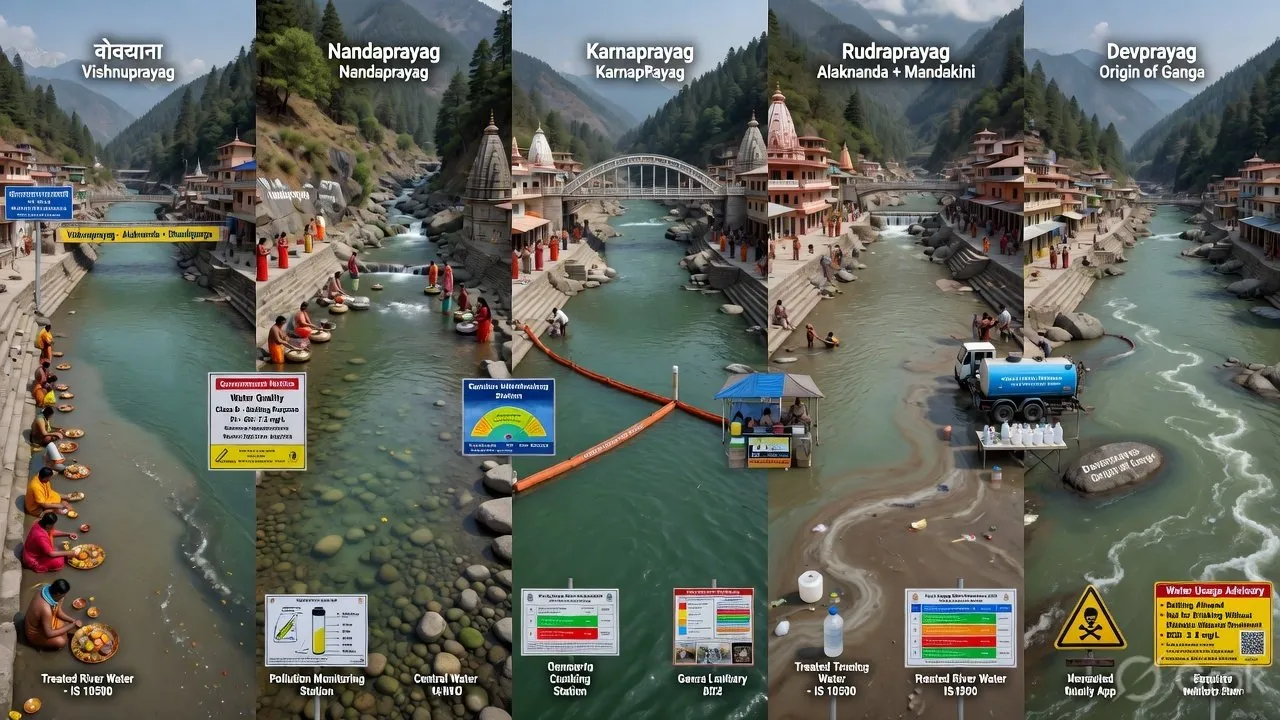
The Panch Prayag refers to the five sacred confluences in the Garhwal Himalayas of Uttarakhand, where various tributaries meet the Alaknanda River. These sites—Vishnuprayag, Nandaprayag, Karnaprayag, Rudraprayag, and Devprayag—are not only sites of immense spiritual significance for pilgrims undertaking the Chota Char Dham Yatra but are also vital ecological nodes in the upper Ganga basin.
2. Water Quality Status
Recent environmental audits and monitoring by the Uttarakhand Pollution Control Board (UKPCB) classify the water quality of the Alaknanda River up to Devprayag as "Category A," indicating a high standard of purity suitable for primary contact, such as ritual bathing.
Scientific Monitoring Parameters
The water quality is assessed based on several physicochemical and biological indicators:
- Primary Indicators: pH, Dissolved Oxygen (DO), Biochemical Oxygen Demand (BOD), and Total/Faecal Coliform.
- General Status: Data consistently shows that the Alaknanda remains free from significant industrial pollution in these upper reaches. Because the river flows through mountainous terrain dominated by crystalline and metamorphic rock, the water is generally considered mineral-rich and unpolluted by heavy metals.
- Compliance: While the river water itself maintains a high standard, downstream urban clusters (such as those appearing after Devprayag toward Rishikesh and Haridwar) face challenges regarding sewage treatment efficiency. Within the Panch Prayag region, the water remains largely pristine due to the lack of dense industrial activity and the high self-purification capacity of the glacial-fed rivers.
3. Usage of Water
The usage of water at these confluences is multifaceted, balancing religious, ecological, and developmental needs.
|
Usage Type |
Description |
|
Religious/Spiritual |
Central to the identity of the Prayags. Pilgrims perform snan (ritual bathing) and shraddha (last rites) to seek spiritual liberation. |
|
Ecological/Aquatic |
The river sustains a diverse ecosystem, including approximately 39 species of fish, some of which are classified as vulnerable or endangered. |
|
Hydropower |
The Alaknanda basin is a critical zone for hydroelectric development, with numerous dams (operational or planned) aimed at harnessing energy. |
|
Livelihood |
Local communities depend on the river for subsistence, local irrigation, and supporting the tourism-based economy. |
4. Key Observations and Management
- Spiritual vs. Practical: While water is considered "holy" and "cleansing" by millions, visitors are advised to observe local guidelines. For instance, at Vishnuprayag, while the confluence is a place of deep devotion, direct entry into the main current is often restricted due to the dangerous velocity of the water; pilgrims are encouraged to use designated safe spots or kunds (pools).
- Infrastructure Challenges: A significant challenge for the region is the management of sewage from rapidly growing pilgrim towns. While the water quality in the Prayag region is excellent, there is a noted need for more efficient Sewage Treatment Plants (STPs) to prevent future degradation as tourism volumes rise.
- Sustainability: The construction of dams in this seismically sensitive region remains a point of scientific and environmental debate. Balancing the energy needs of Uttarakhand with the ecological integrity of the river system is the primary challenge for long-term sustainability.
5. Summary
The waters of the Panch Prayag currently maintain a high "A" category health status. Their primary usage remains deeply tied to spiritual practice, which necessitates the preservation of this pristine environment. As of 2026, the overall health of these river confluences is considered satisfactory to support the surrounding ecosystem and the millions of devotees who visit them annually.
Disclaimer: This report is based on publicly available environmental audit data and historical studies. For specific, real-time chemical testing results of a particular site, local water testing laboratories or the Uttarakhand Pollution Control Board (UKPCB) are the official authorities.
Keep Reading
View All Articles-
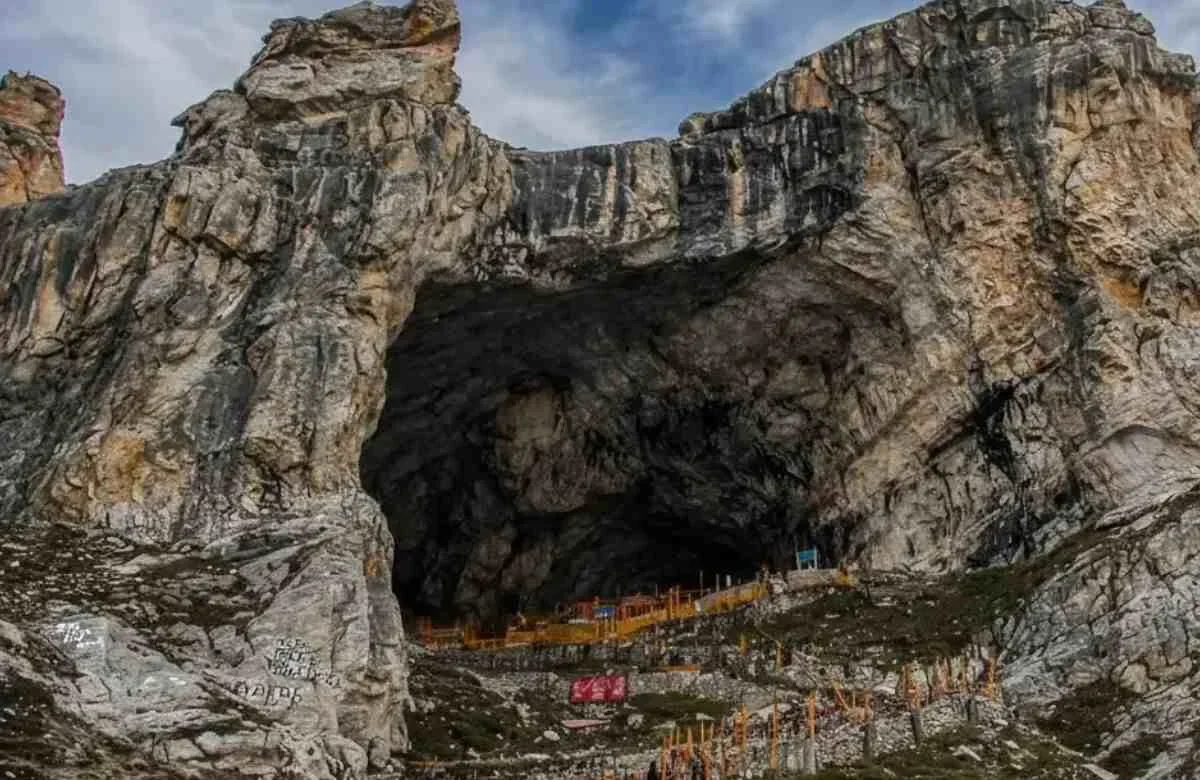
Complete Guide to the Amarnath Yatra: Amareshvara, the Immortal Lord
The annual Amarnath Yatra is a profound manifestation of India's syncretic and inclusive culture, blending religious fervor, secular ethos, and the extraordinary endurance required to traverse the high-altitude terrain of Jammu and Kashmir.
-
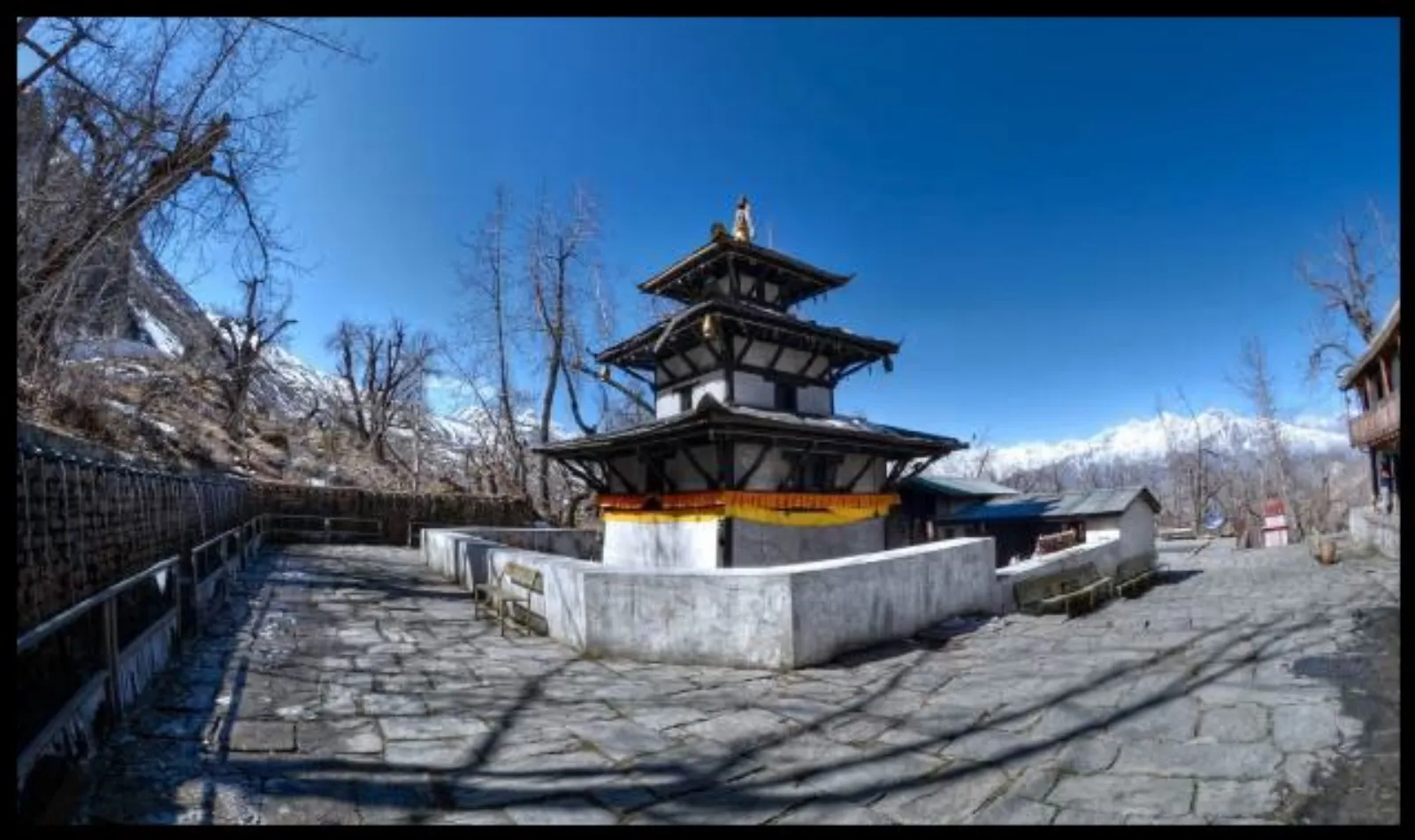
Complete Guide to Muktinath (Muktikshetra): The Ultimate Pilgrimage in Nepal
Muktinath, known traditionally as Muktikshetra (the site for salvation), stands as one of the most spiritually profound, historically rich, and visually breathtaking pilgrimage destinations in the world.
-
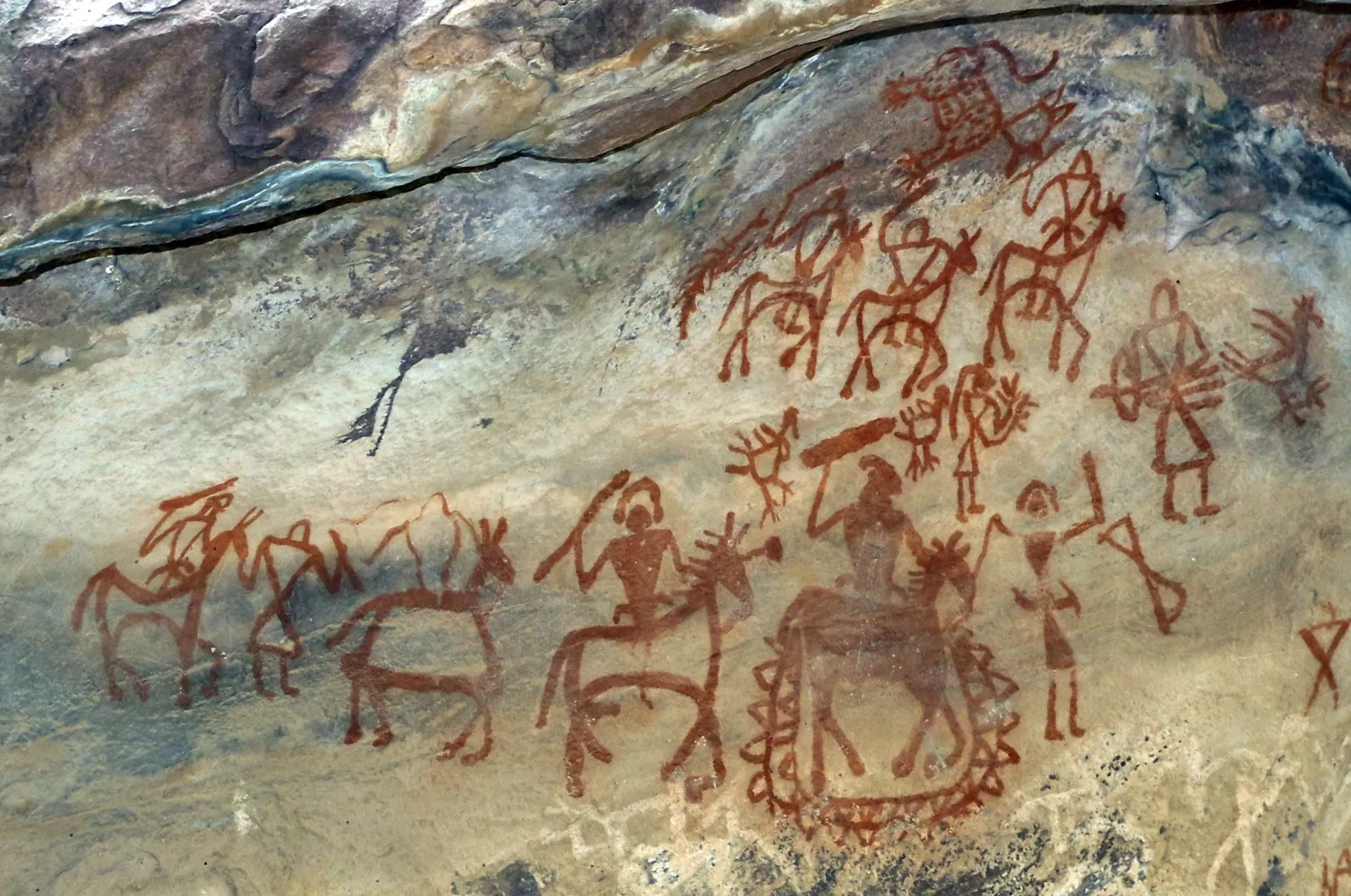
Bhimbetka's Primeval Paintings: A Journey Through Time
On a train journey in 1958 to Bhopal in Madhya Pradesh, archacologist V.S. Wakankar made an immediate note of what would have seemed to be mere rock formations to the untrained eye but were, in fact, rock shelters and caves in the distant hills.