



The Yatri Chaupal
Hanol Mahasu Devta Travel Guide
The village of Hanol, situated in the Chakrata region of the Dehradun district of Uttarakhand, serves as the spiritual heart of the Jaunsar-Bawar territory.
 By Prerak "प्रेरक"
14 min read
By Prerak "प्रेरक"
14 min read

Hanol Mandir and the Legend of Mahasu Devta: An Anthropological and Practical Travel Guide
The Sacred Geography of the Tons Valley
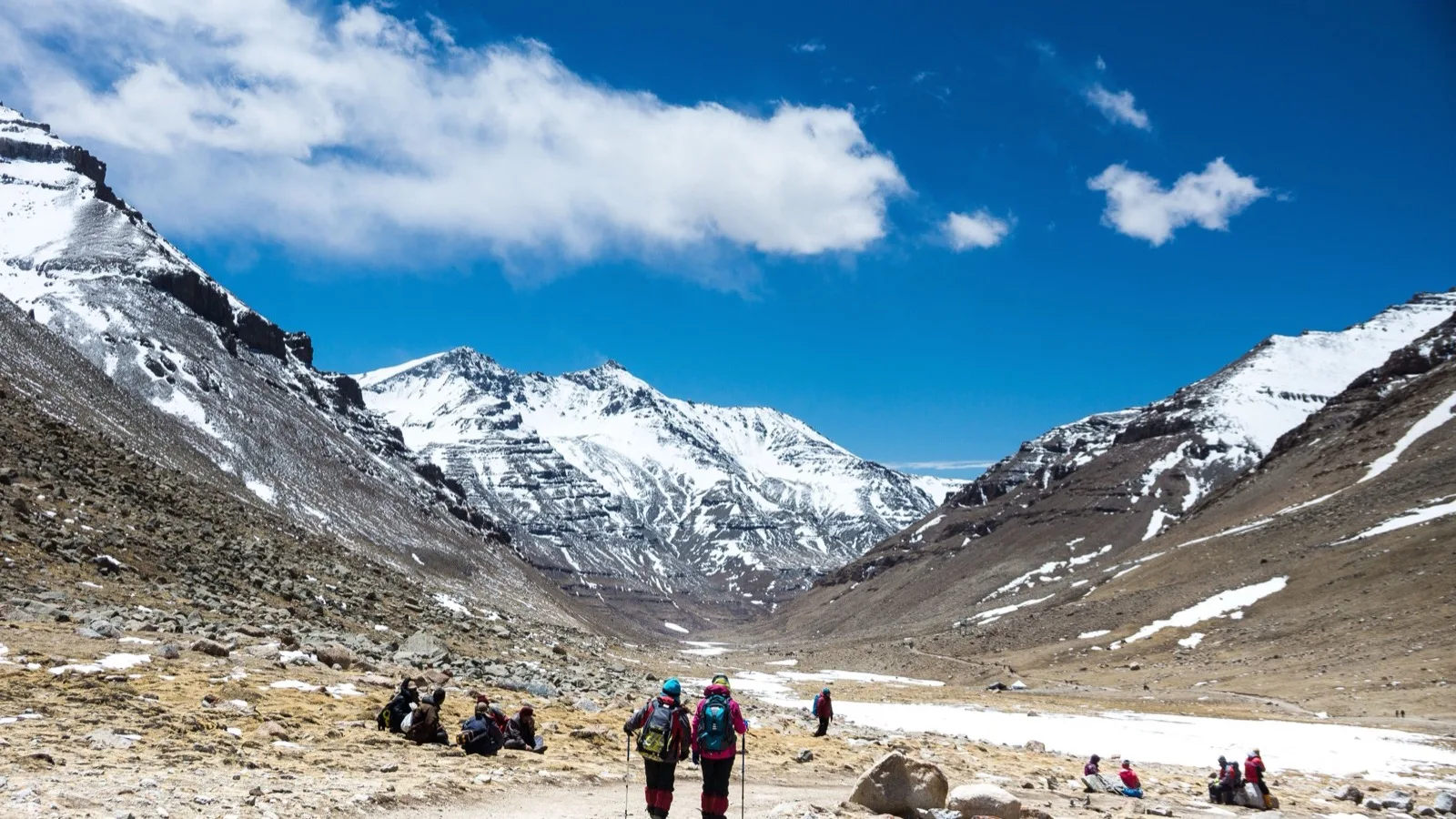
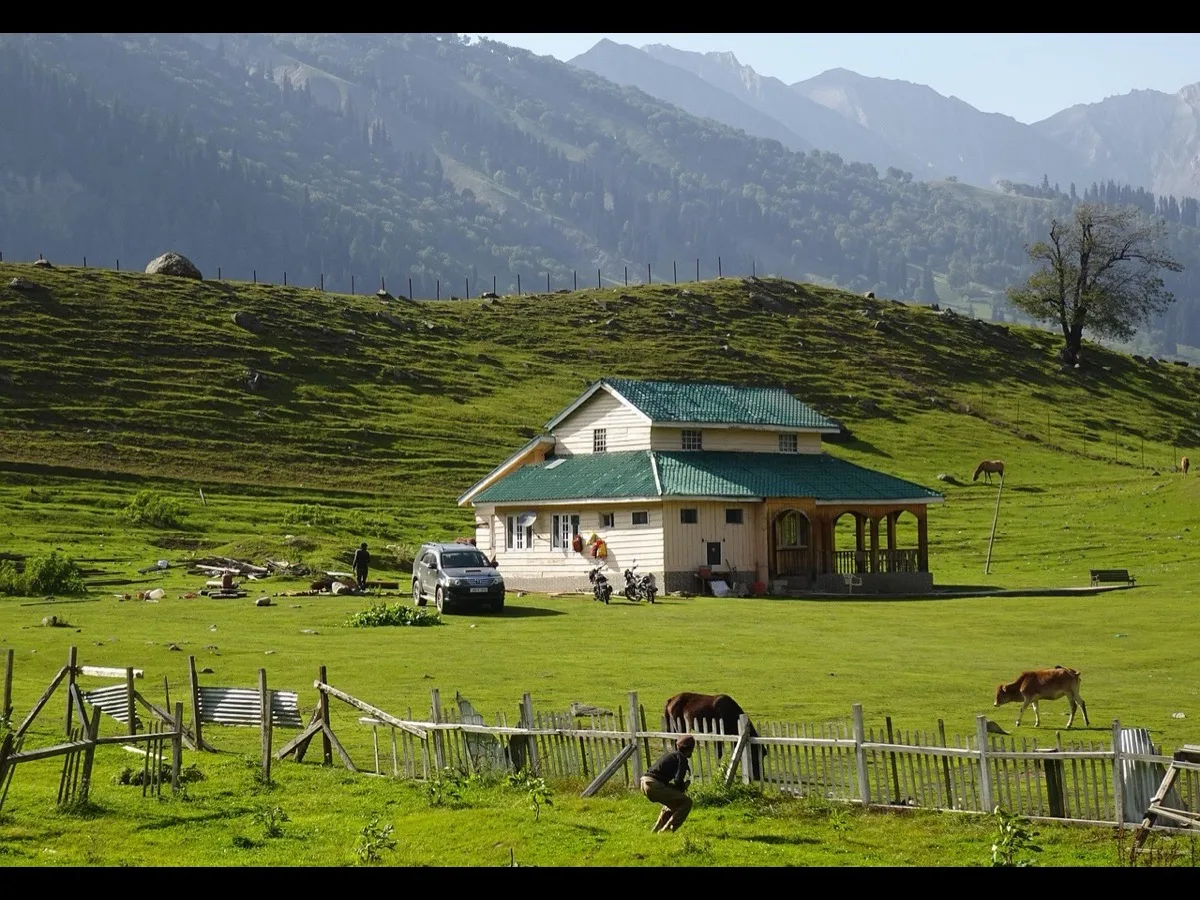
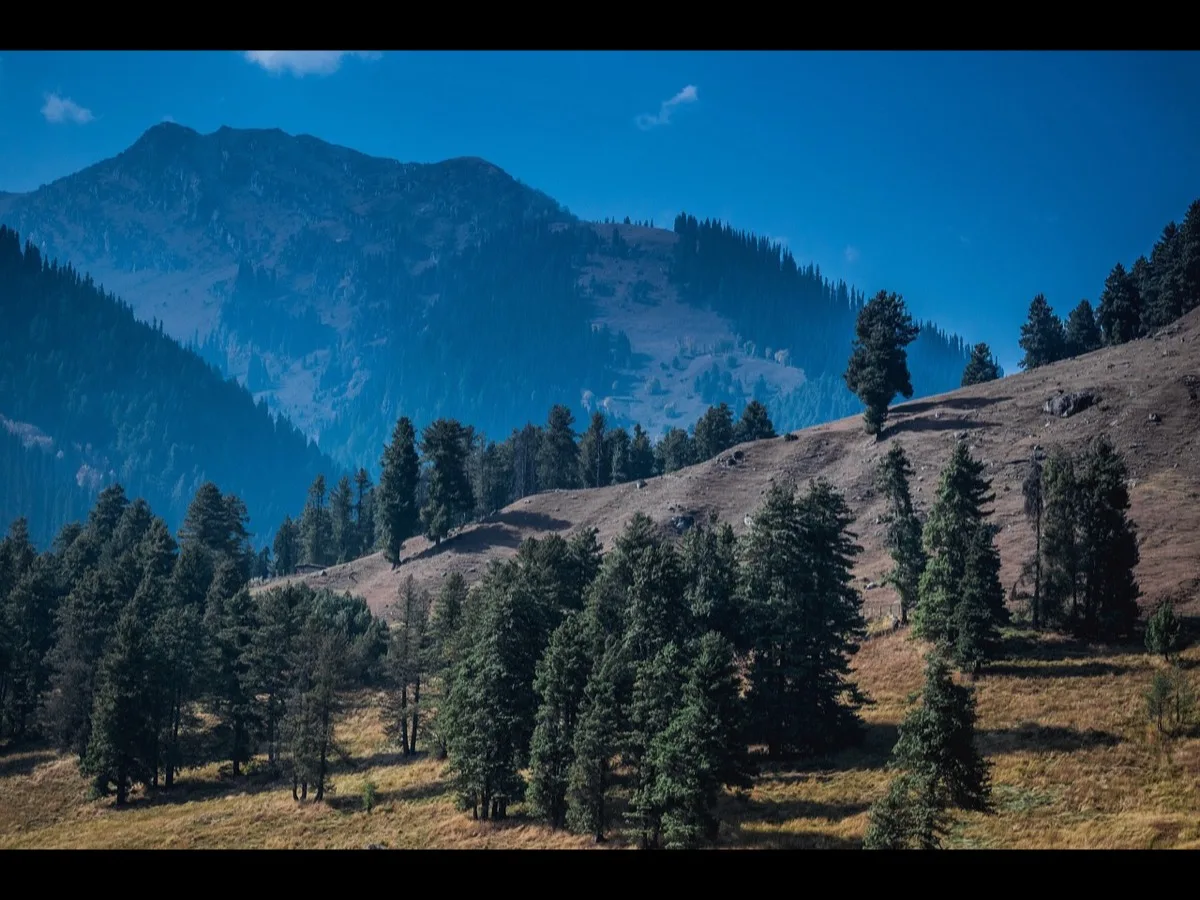
The village of Hanol, situated in the Chakrata region of the Dehradun district of Uttarakhand, serves as the spiritual heart of the Jaunsar-Bawar territory. Nestled at an elevation of approximately 1,050 meters (3,445 feet) on the eastern bank of the Tons River, historically known as the Tamas River, this remote settlement sits near the administrative border of Uttarakhand and Himachal Pradesh. The surrounding landscape is characterized by steep rocky cliffs, dense forests, and the rushing waters of the Tons River, which is the largest tributary of the Yamuna River.
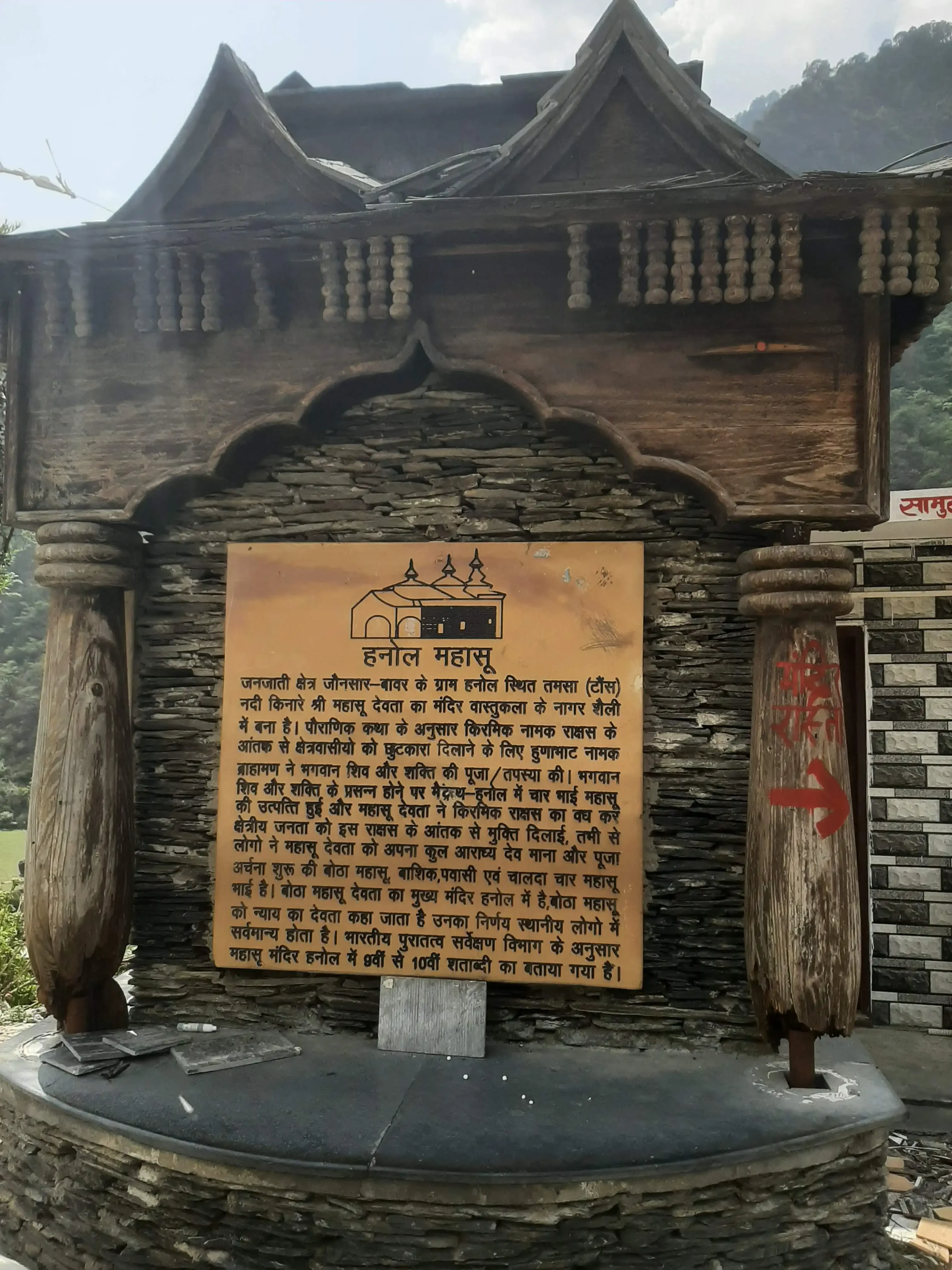
Historically, the influence of the Hanol temple extends across a fifteen-square-kilometer sacred zone known as Tandu, with the main temple complex positioned directly at its center. The geographical domain of the temple's central deity, Mahasu Devta, spans the mountainous regions between the Satluj and Yamuna rivers, including the Jaunsar-Bawar region in Uttarakhand and the districts of Shimla, Solan, and Sirmaur in Himachal Pradesh. In earlier times, this entire cultural belt in Himachal Pradesh was administratively designated as the Mahasu District, reflecting the deep integration of the deity into the regional identity.
The local religious history reveals a transition from ancestral nature-worship to classical Hindu traditions. Long before the introduction of Shaivism, the local inhabitants practiced Naga worship, paying homage to serpentine spirits. Over time, these indigenous Naga deities were redefined as regional manifestations of Lord Shiva. In the local belief system, these deities are credited with the supernatural power to control wild animals, guide the local monarchy, and protect the human population from poisonous reptiles.
Mythological Foundations and the Four Brothers System
The theological identity of Mahasu Devta is represented not as a single divine entity, but as a collective system of four brother deities. Regional legends describe these brothers as manifestations of Lord Shiva, or alternatively, as personified forms of Shiva's son, Kartikeya.
| Deity Brother | Regional Status and Character | Permanent Seat and Geography | Movement Dynamics |
| Botha Mahasu |
The eldest brother; the supreme ruler and central authority of the regional pantheon. |
Hanol Temple, Uttarakhand. |
Stationary; remains permanently in the main sanctum at Hanol. |
| Pavasi (Pabasik) Mahasu |
The warrior guardian; protector of the valley's immediate borders. |
Atop a hillock directly across the Tons River from Hanol. |
Stationary; oversees his localized mountain domain. |
| Vasik (Basik) Mahasu |
The guardian of high pastures; associated with deep serpentine energy. |
Mendrath (Mahindrath), Dehradun District. |
Stationary; accessed via a forty-kilometer mountain trek from Pavasi's temple. |
| Chalda Mahasu |
The mobile brother; the active minister of justice and public welfare. |
No single permanent home; moves dynamically between designated villages. |
Highly mobile; migrates every twelve years across the Jaunsar-Bawar and Himachal regions. |
The Liberation of the Tons Valley
The mythological history of Hanol is defined by the liberation of the valley from demonic oppression at the start of the Kali Yuga. According to regional folklore, a powerful demon named Kirmir (also referred to as Kirmik or Kuroda in various accounts) terrorized the valley, devouring local villagers and their livestock. The demon killed all seven sons of a pious local Brahmin named Huna Bhatt. When Kirmir attempted to capture Huna Bhatt’s wife, Kirtaka, she prayed to Lord Shiva to protect her chastity. Shiva blinded the demon, allowing Kirtaka to escape and reunite with her husband.
Seeking permanent safety, the couple traveled to the mountains of Kashmir to perform intense penance. Their prayers were answered by the creation of the four Mahasu brothers and their mother, Devladli (Deolari) Devi. Shakti emerged from the ground in a flash of light and instructed Huna Bhatt to return to Hanol. He was told to plow a section of his field every Sunday using a solid silver plow with a golden shoe, yoked to a pair of bullocks that had never been worked before. On the seventh Sunday, the earth split open, and the four Mahasu brothers, alongside their celestial army, emerged. In a decisive battle, the brothers defeated Kirmir and restored peace to the valley. The village was subsequently renamed Hanol in honor of Huna Bhatt.
An alternative local legend focuses on a demon named Mandarth, who terrorized Hanol until the four brothers defeated him. Following the battle, a local farmer discovered four stone Shivalingas while plowing his field. These sacred stones were named after the four brave brothers Botha, Pavasik, Vasik, and Chalda and were enshrined to establish the foundation of the local Shaivite worship.
Theocratic Judiciary and State Relations
For centuries, the Mahasu Devta Temple served as a powerful administrative and judicial center, establishing a system of theocratic governance that operated alongside the rule of local kings. The local population and regional rulers viewed the decisions of Mahasu Devta as final and legally binding. This traditional system of justice bypassed formal courtrooms and was based entirely on oaths and collective religious faith.
The Lota Pani Custom
The primary mechanism for resolving civil and land disputes in the region is the Lota Pani ritual. When a conflict arises, water is filled into a metallic goblet (lota) in the name of Mahasu Devta by a neutral observer. The disputing parties are then required to drink this consecrated water while stating their case under oath.
Because the community believes that anyone who swears falsely before the deity will face severe divine punishment, the guilty party typically confesses or faces immediate social consequences. This local judicial system was so effective that it caused administrative challenges for British colonial officers. During the land settlements of the nineteenth century, Major Young, a British administrator, described the supreme authority of Mahasu Devta as an obstacle to the establishment of colonial courts, illustrating the deep-seated power of the temple's traditional laws.
Administrative Revenues and State Tributes
The temple historically operated a welfare system for the surrounding valley. It collected administrative revenues from local farmers in both cash and kind, structured according to each household's financial capacity. These resources were managed by the temple authorities and redistributed to the community during times of crisis, such as crop failures or famines, functioning as an early form of social security.
The deity’s status as a regional ruler is also tied to an unusual symbolic relationship with the modern Indian state. According to local beliefs, a special parcel containing salt is sent annually to the temple from the Rashtrapati Bhavan (the President’s House) in New Delhi. In mountain cultures, salt represents loyalty, trust, and the relationship between a ruler and the state.
While popular stories celebrate this annual parcel as a direct presidential tribute, investigations indicate that the package historically contained a specific type of dark, unrefined ritual incense (dhoopbatti). Because this raw incense resembled large blocks of mountain rock salt, local communities began calling it salt. Although the formal delivery of this package has faced interruptions, the story remains a vital part of the local folklore, reinforcing the deity's status as a folk-king. This relationship is further reflected in the practice of offering salt to the deity, which devotees believe protects their livestock from seasonal diseases and ensures agricultural prosperity.
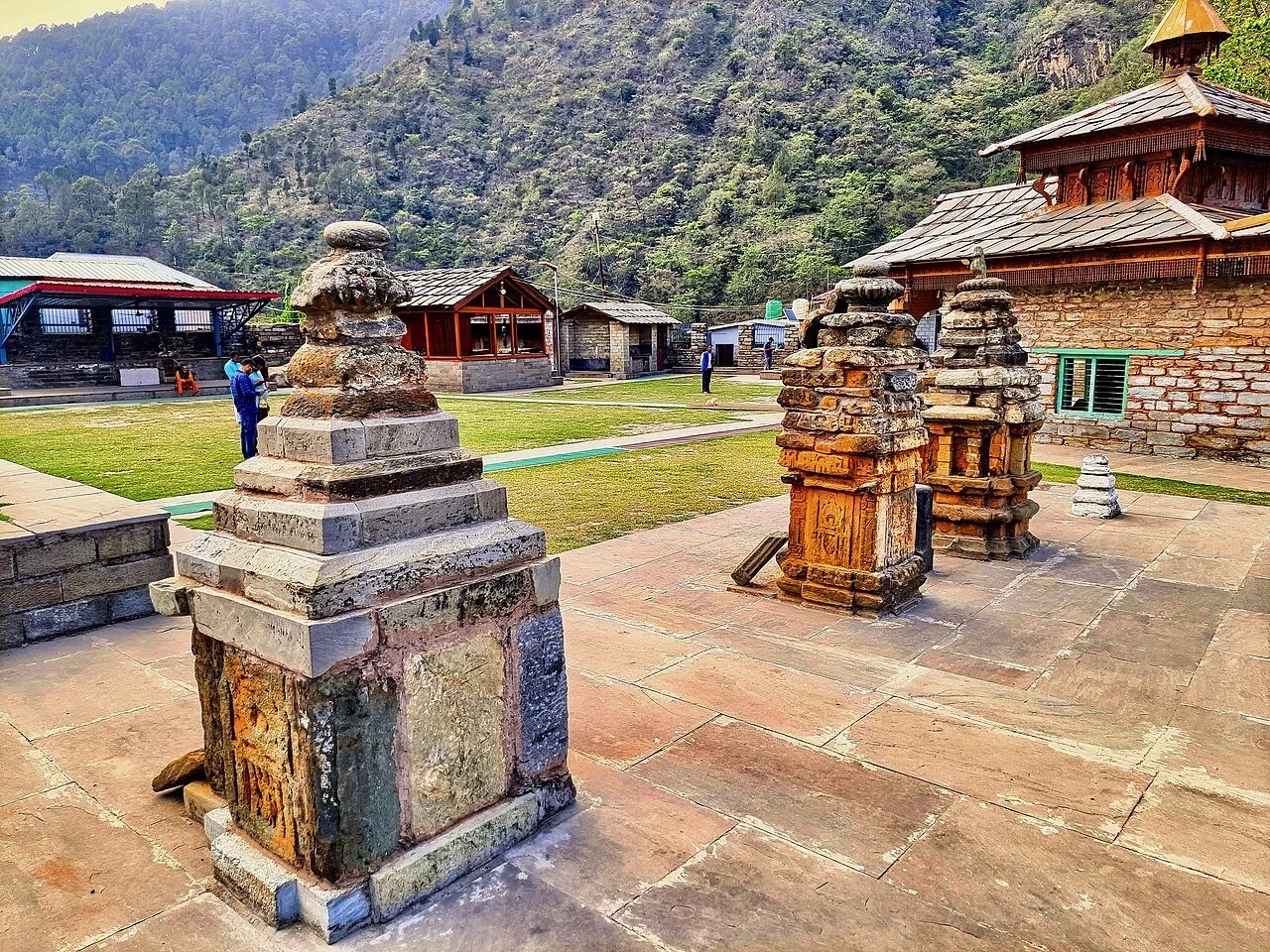
Architectural Integration and Space Syntax
The architecture of the Mahasu Devta Temple is a highly regarded example of mountain craftsmanship, combining local materials with building techniques designed to withstand the harsh Himalayan climate and frequent seismic activity.
               [ OUTSIDE COURTYARD AREA ]
                           |
            [ PORTICO / OPEN FRONT ENTRANCE ]
             - Supported by two wooden pillars
             - Decorated with ornamental arches
                           |
                [ MANDAPA (INNER HALL) ]
             - Assembly room for devotees
                           |
             [ BHANDAR (TREASURY ROOM) ]
             - Restricted to Brahmin priests
             - Features a bronze lion-head handle
                           |
          [ CHANDIPURNA (SILVER ENTRANCE DOOR) ]
             - Priest's daily duty station
                           |
          [ GARBHAGRIHA / KALIPURN (SANCTUM) ]
             - Dark inner chamber
             - Location of the eternal flame
The Kath-Kuni Style
The structural framework of the temple is built in the traditional Kath-Kuni (also known as Koti-Banal) style, which is characteristic of ancient Himalayan architecture. This technique uses alternating horizontal layers of heavy, hand-cut stone and massive wooden beams without any mortar. The natural elasticity of this mortarless, interlocking design allows the building to absorb and survive the ground tremors common to this active seismic zone.
Over the centuries, the temple acquired a mixed architectural style due to its location along major mountain trade routes. While the base and the inner sanctum are built of stone in the classical North Indian Nagara style, the upper wooden structure features a steeply-pitched slate pent roof. This roof is topped with a two-tiered, conical wooden canopy (chhatri) and a slender, tapering metallic pinnacle (kalasha), reflecting Huna and Tibetan design influences. The corners of the roof and the projecting balconies are adorned with hanging brass bells and wooden fringes that sway in the wind, creating a distinctive auditory experience.
The Internal Rooms and Layout
The temple is divided into four distinct chambers, each covered by its own separate roof structure:
- The Portico (Mukhamandapa): An open front entrance area supported by two carved wooden pillars, featuring an ornamental archway that welcomes pilgrims.
- The Mandapa: The main assembly hall where devotees gather to pray, sing, and participate in communal ceremonies.
- The Bhandar: A large treasury room where the temple's sacred objects, ceremonial implements, and historical assets are stored. Access to this room is strictly restricted to members of the Brahmin priesthood, and its heavy wooden entrance door is decorated with a bronze ring handle shaped like a lion's head.
- The Garbhagriha (Sanctum Sanctorum): The innermost chamber, known as the Kalipurn, which houses the central bronze figures of the deities. The room is intentionally kept in absolute darkness, which represents the supreme unmanifested energy of the universe. The walls of the Kalipurn have been blackened over generations by the carbon soot of burning chhiluka (resinous pine sticks cut from Devdar trees), which are traditionally used in place of standard oil lamps.
Daily Liturgies and Mystical Courtyard Phenomena
The daily life of the Hanol temple is organized around a highly structured system of rituals and ancient ceremonies, managed by a dedicated priesthood. The complex network of worship is divided into eight distinct departments, covering daily prayers, seasonal rites of passage, social differentiation rituals, and specific ceremonies designed to prevent divine displeasure.
The Daily Ritual Timeline
Daily worship at the temple is performed three times a day, following a strict sequence of steps:
| Ritual Phase | Time of Day | Key Ceremonies and Offerings |
| Mangala Aarti |
Morning |
The ceremonial offering of light to the deity to mark the beginning of the day and symbolize the dispelling of darkness. |
| Abhishekam |
Post-Aarti |
The ritual bath where the deity's image is anointed with fresh milk, wild honey, and sacred river water. |
| Patri Pooja |
Midday |
The offering of fresh seasonal leaves and flowers. The priest washes and offers Chhamra and Panja (Prunus cerasoides) leaves, alongside marigolds and Nargis flowers. |
| Akshat Pooja |
Afternoon |
The offering of rice grains (Chaval Japna) accompanied by the recitation of sacred mantras. |
| Dhoop Dena & Evening Aarti |
Dusk |
The burning of resinous pinewood sticks (chhiluka) to fill the sanctum with aromatic smoke, followed by final prayers before the silver doors are closed. |
The priest on duty must stand at the silver door (Chandipurna) from sunrise to dusk to assist devotees. The priest must fast completely during the day, refusing even water, and is permitted to eat only a single meal after the evening ceremonies are completed. Devotees pay a small, fixed contribution to the priest, which is used for the maintenance of the temple staff and the preservation of the building.
Courtyard Wonders
The paved stone courtyard of the temple houses several smaller shrines and unique artifacts.
- Bhima's Marbles: Two large, spherical lead stones lie in the open courtyard. These heavy spheres weigh approximately 240 kilograms and 360 kilograms. According to local legend, these stones were used as marbles by Bhima, the strong Pandava brother, during his travels in the valley. Visitors frequently attempt to lift these spheres onto their shoulders, and local tradition holds that only a person with a pure heart and sincere intentions can lift them.
- The Sacred Water Stream: A natural spring of fresh water flows directly out of the floor of the dark inner sanctum. The source of this spring and its drainage system remain unidentified. This water is collected by the priests and distributed to visiting pilgrims as a sacred offering.
- The Eternal Flame: A sacred flame burns continuously within the inner sanctum, maintained by the priests without any visible fuel lines, serving as a symbol of the deity’s living presence.
Ritual Calendars and Tribal Festivals
The annual calendar at Hanol is marked by vibrant tribal festivals that showcase the unique cultural heritage and performing arts of the Jaunsari people.
The Jagara Festival
The Jagra (or Jagara) of Mahasu Devta is the most significant festival celebrated at the temple, taking place annually in August (during the Hindu month of Bhadrapada). This festival commemorates the mythological emergence of the Mahasu brothers from the earth.
During the three-day festival, the temple's mobile deity, Chalda Mahasu, is placed inside a decorated, silver-plated palanquin (Dev-Doli) and carried out of the sanctum in a grand procession. The palanquin is carried on the shoulders of the devotees down to the banks of the Tons River for a ceremonial bath. The procession is accompanied by traditional brass horns, drums, and folk singing. The festival features performances of the Barada Nati, a traditional tribal group dance, bringing together thousands of visitors from across Uttarakhand and Himachal Pradesh.
Other significant seasonal celebrations at the temple include Bishu, Paush ki Dhaal, and Budhi Diwali, which align with the agricultural cycles of the mountain valleys.
The Shant Festival and Social Reforms
The Shant (or Shaant) Festival is a historic peace ritual traditionally held in the month of May. Historically, this festival was characterized by large-scale ritual animal sacrifices, categorized into three levels of offerings:
- Khura Shau: The sacrifice of one hundred legs of animals.
- Munda Shau: The sacrifice of one hundred animal heads.
- Singhaan Shau: A highly symbolic sacrifice representing a lion.
At a historic gathering in May 2004, the temple priests, community elders, and local leaders agreed to discontinue all ritual animal sacrifices at the temple. This reform marked a major shift in the temple's traditions, transitioning the festival into a peaceful cultural celebration. At the same time, the temple management officially lifted the historic restrictions that prevented women from entering the main temple courtyard. While women are now fully welcomed into the courtyard and assembly areas, the innermost sanctum (garbhagriha) remains accessible only to the officiating priests.
Practical Travel Logistics and Accommodation
Planning a trip to the remote village of Hanol requires careful consideration of mountain routes and available transport options.
Travel Routes and Transportation
                   [ DEHRADUN TRANSIT HUB ]
             (Nearest Airport & Railway Station)
                              |
       +----------------------+----------------------+
       |                      |                      |
   (Route A)              (Route B)              (Route C)
   Via Kalsi              Via Mussoorie          Via Paonta Sahib
   & Chakrata             & Purola               & Hatkoti
       |                      |                      |
       +----------------------+----------------------+
                              |
                       [ MORI TOWN ]
                              |
                    (17 km / River Road)
                              |
                    [ HANOL TEMPLE ]
Travelers can reach Hanol using several direct road routes from Dehradun and Haridwar. Private taxis, personal vehicles, and public buses are the primary modes of transport.
| Starting Point | Standard Travel Route | Distance | Expected Duration |
| Dehradun |
Dehradun - Kalsi - Chakrata - Tiuni - Hanol |
~173 km to 180 km |
6 to 8 hours by road. |
| Haridwar |
Haridwar - Dehradun - Mussoorie - Purola - Mori - Hanol |
~222 km |
8 to 10 hours by road; option to take a bus to Nerwa and a local taxi to Hanol. |
| Chakrata |
Chakrata - Koti Kanasar - Tiuni - Hanol |
~95 km |
3 to 4 hours by car or shared jeep. |
| Mori |
Mori - direct river road to Hanol |
~17 km |
30 to 45 minutes by taxi or local bus. |
The nearest railway station is the Dehradun Railway Station (Station Code: DDN), located approximately 181 kilometers from Hanol. The closest air terminal is the Jolly Grant Airport in Dehradun, positioned roughly 204 to 207 kilometers away. Shared cabs and state transport buses run regularly from Dehradun to Mori, where local transport to Hanol is readily available.
Accommodation and Lodging Options
Hanol is an offbeat, preserved destination with limited commercial tourism development. As a result, luxury hotels are not available in the immediate village. Travelers can choose from several basic and mid-range accommodation options in the surrounding area.
| Accommodation Name | Type of Lodging | Location | Key Features and Pricing |
| GMVN Tourist Rest House |
Government Guest House |
Hanol Village (5-minute walk to the temple) |
Budget dorms and private rooms; prices start around ₹599 per night; on-site dining. |
| Benzer Stays |
Budget Hostel |
Mori (16.5 km from Hanol) |
Private rooms with balconies; shared bathrooms; lockers and wireless internet. |
| Kanasar Homestay |
Traditional Homestay |
Kanasar (approx. 10.6 km from Tyuni) |
Pet-friendly; authentic local meals; standard rooms starting from ₹1,620 to ₹1,900. |
| Munaals Nest |
Boutique Stay |
Chakrata region (16.9 km from Tyuni) |
Great views of the Himalayas; private dining; comfortable rooms starting from ₹3,300. |
| Dhamashila Retreat / Waterfront Hill Resort |
Resort & Cottage Stay |
Near Tyuni (approx. 17 km away) |
Cottages sleeping up to four guests; riverside locations; prices range from ₹3,999 to ₹25,000. |
The Mahasu Devta Temple at Hanol stands as a living monument to the cultural and social history of the Western Himalayas. Rather than existing purely as a historical artifact, the temple continues to play an active role in the daily life, legal traditions, and social structure of the Jaunsar-Bawar region. The transition of the temple's rituals, including the 2004 decision to end animal sacrifice and open the courtyard to women, demonstrates the ability of this ancient institution to adapt to modern values while preserving its spiritual heritage. For travelers and cultural observers, a journey to Hanol offers a rare opportunity to experience a unique system of faith, architecture, and communal harmony in a scenic mountain setting.
Keep Reading
View All Articles-
Kedarnath Tour Packages vs Kedarnath Shuttle
Kedarnath Dham (altitude ~3,581 m) can be reached either by a multi-day road-and-trek tour or by fast helicopter shuttles from nearby helipads
-
Unusual adventures in the vicinity of Corbett
A walk of approximately 8 kilometres is undertaken through the breathtakingly beautiful reserve forests of Corbett.
-
Rituals and Pooja Services at Kedarnath ji and Badrinath ji
Guide to Rituals and Pooja Services at Shri Kedarnath Dham and Shri Badrinath Dham