








Heritage & Architectural Wonder
Bilkeshwar Temple - The Consciousness of Haridwar Pilgrimage
Uncover the history of Bilkeshwar Temple in Haridwar. Learn about its link to the Bilva forest, ancient mythology, and why it is essential to the Haridwar pilgrimage.
 By Dr. Ipsit Pratap Singh
4 min read
By Dr. Ipsit Pratap Singh
4 min read

Shankara resides in every nook and corner of the divine land of Haridwar.
The shrines here tell the wondrous tale of the transcendental love between Shiva and Shakti. Among Haridwar's major temples, it's difficult to determine which temple is more significant and vibrant, both mythologically and spiritually.
One of the most prominent is Shri Bilkeshwar Mahadev Ji. Devotees and seekers who have visited here have consistently felt that a pilgrimage to Haridwar and the Char Dham is incomplete without the pleasant touch of this place. The energy of Shri Bilkeshwar Mahadev is deeply soothing and refreshing. There's no need to meditate here; meditation is flowing here. Simply come here and immerse yourself in it, and you'll automatically be imbued with Shiva's energy.
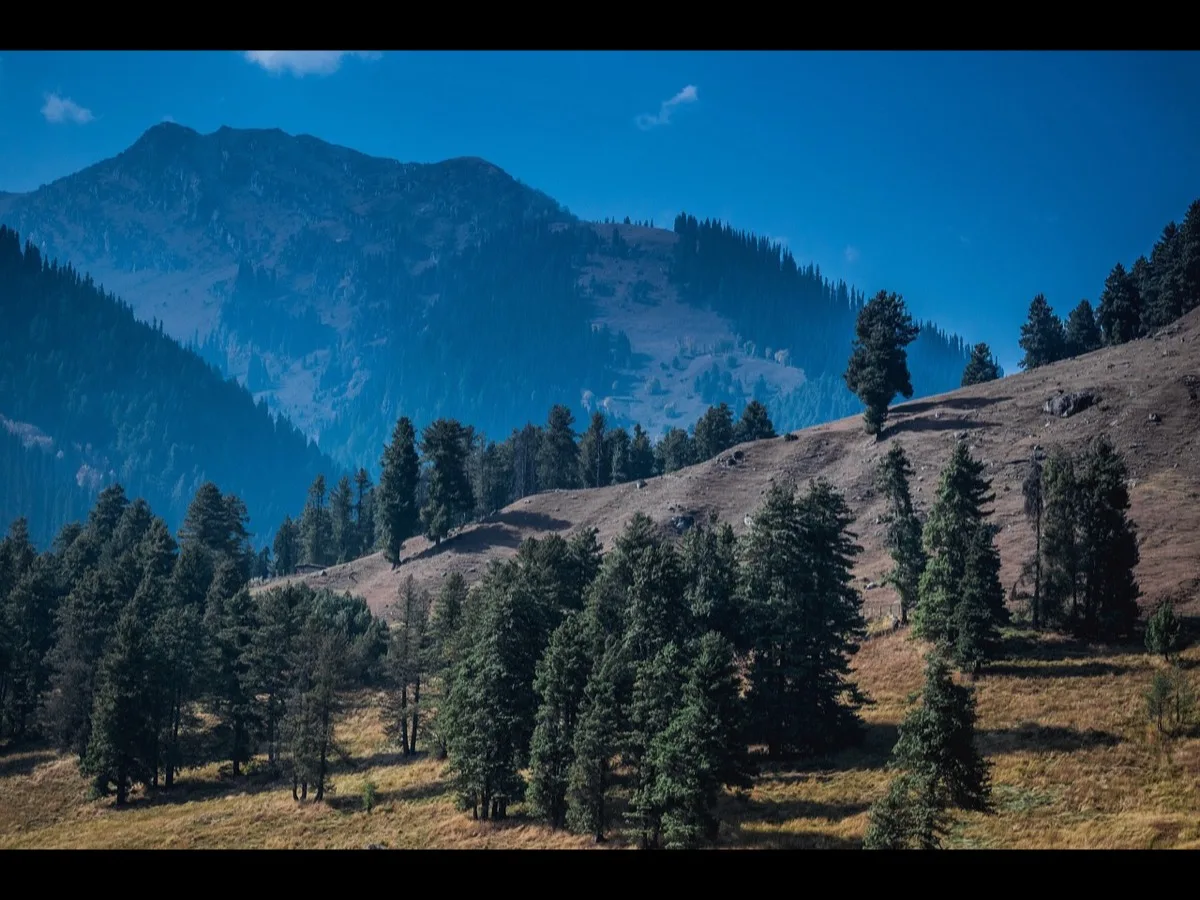
Despite its location in the heart of the city, very close to the railway station, the temple premises offer a serene, forest-like experience. Why not? Words cannot describe the divinity of the very premises where Goddess Parvati meditated for three thousand years. By the grace of Lord Shiva, this area is protected from encroachment as it falls within the Rajaji National Park.
This divine shrine is mentioned in various ancient texts. The Kedar Khand of the Skanda Purana provides a captivating account of Goddess Parvati's penance and reveals the secret behind the temple's naming, which stems from her eating Bilva leaves. When the universe was troubled by the atrocities of Tarakasura, Shakti appeared in the form of Goddess Parvati at the behest of the gods and, at the behest of sage Narada, began the arduous effort to awaken Lord Shiva. The Parvati Khand of the Shiva Mahapuran also describes this area and explains its significance. The Neelmat Purana also provides information about the Bilveshwar Temple. This area is called Bilva Kshetra.
Shri Bilkeshwar Temple Ji, located in the heart of Haridwar, has existed here since the Treta Yuga. The Shivalinga here is self-manifested, meaning it appeared on its own. It is impossible to determine the date of the temple's inception. The current structure was built in the latter half of the twentieth century, with the significant contribution of saints, priests, and Shiva devotees. While many shrines in India and the world were built with the support of kings and leading sections of society, this temple is not the creation of a single individual or king, but rather the result of the efforts of all Shiva devotees.
The entire temple complex spans approximately four thousand square feet, with the main temple occupying approximately one and a half thousand square feet. Beautiful Shivalingas are located beneath an ancient Neem tree in the main temple. These are regularly anointed with rituals. The pujas of the temple are also performed with due rites and rituals by the priests. Throughout the day, thousands of Shiva devotees come and perform the Jalabhishek (water offering) and experience joy. The evening aarti is a special attraction. People from the surrounding areas participate in the daily evening aarti and receive the blessings.
At the entrance to the temple are the very ancient temples of Lord Ganesha, Lord Hanuman, Laxmi-Narayan, and Baba Kaal Bhairav. Saints say that a visit to the main temple is incomplete without visiting these temples. A fire burns outside the Kaal Bhairav temple, and applying its ashes to the forehead is highly beneficial.
Gauri Kund is located approximately three hundred meters from the main sanctum. During her rigorous spiritual practice, Goddess Parvati bathed and meditated here. According to mythological accounts, when Goddess Parvati became thirsty during her meditation, the water of the creator, Lord Brahma, appeared with in his kamandalu (water pot), which became Gauri Kund. This place's extraordinary energy and divine peace are evident. Devotees of Shiva and Shakti come here to meditate and become immersed in devotion by touching the flowing sacred stream. The path to Gauri Kund gives devotees a sense of forest life and calms their minds. Devotees believe that the Mother's grace, in the form of Goddess Bhuvaneshwari, constantly showers upon this area. Devotees place the stones here, one on top of the other, and believe that they are blessed with a house of that size by the grace of the Mother Goddess.
The eternal flame has been burning in the temple complex for decades, the sight of which quenches illusions and awakens devotion. The temple complex also houses two large halls where various programs are held during festivals. A small cowshed within the complex inspires everyone to protect the cow population and fulfills the needs of milk for Abhisheka. The priests are accommodated within the temple complex to facilitate the smooth conduct of daily rituals.
If you ever visit Haridwar, you must visit the Bilvakeshwar Temple. Indeed, divinity is more a matter of experience than description. Therefore, visiting this divine realm is a must-see and experience the inner consciousness.
Har Har Mahadev
Jai Shiv Shambhu
Jai Maa Parvati
Keep Reading
View All Articles-
The Ajanta Cave Murals: India's Finest Early Buddhist Art
Buddhism found its earliest and most beautiful artistic expression at the Ajanta Caves in Maharashtra, India.
-
Padmanabhaswamy Temple: Mystery of Secret Vault B
Uncover the wealth and mysteries of Kerala's Padmanabhaswamy Temple. Learn about the untouched secret Vault B sealed by ancient Naga Bandham
-
The Great Kailash Temple of Ellora
Deep within the rocky embrace of the Charanandri Hills in Maharashtra, India, lies a monument that challenges the boundaries of human imagination and ancient engineering.