Festival & Utsav
Playing Holi with Butter at Dayara Bugyal Holi in the monsoon
Playing Holi with Butter at Dayara Bugyal Holi in the monsoon, and with only butter and curd milk as the colours! Well, there is no need for us to be surprised.
 By Spiritual Yatra
4 min read
By Spiritual Yatra
4 min read
Playing Holi with Butter at Dayara Bugyal Holi in the monsoon
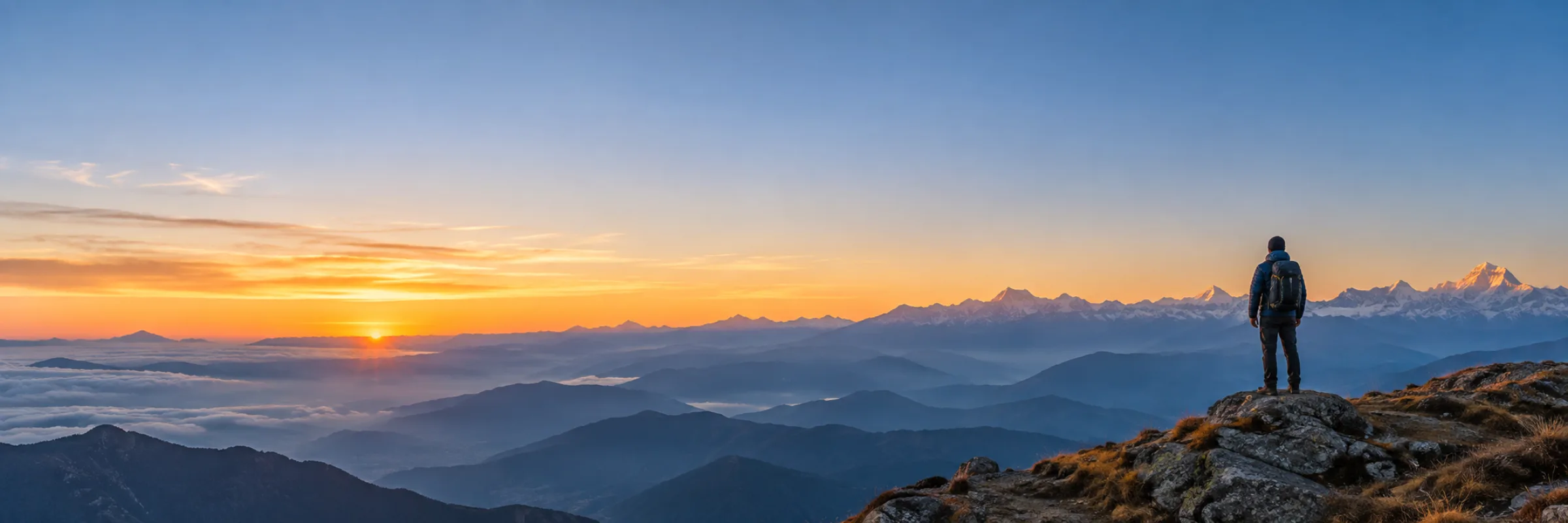
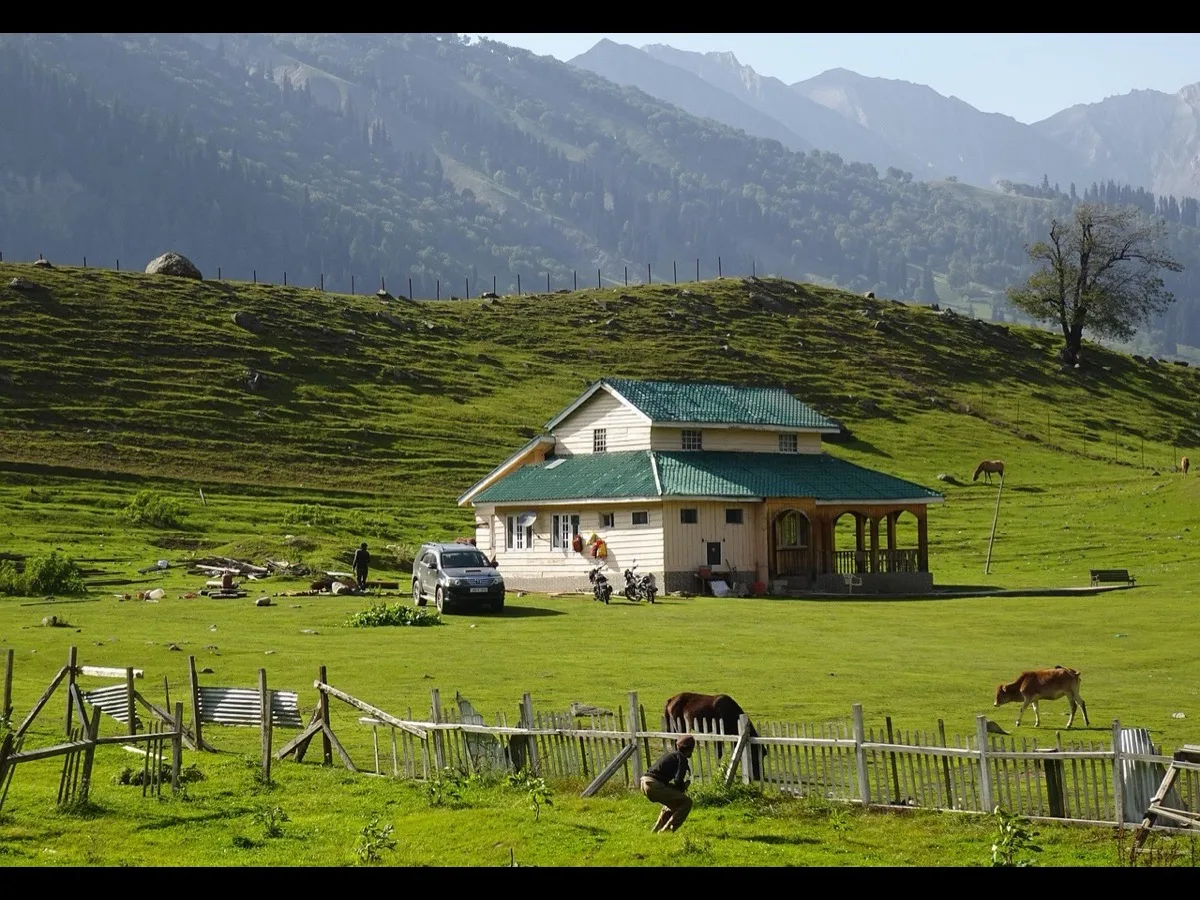
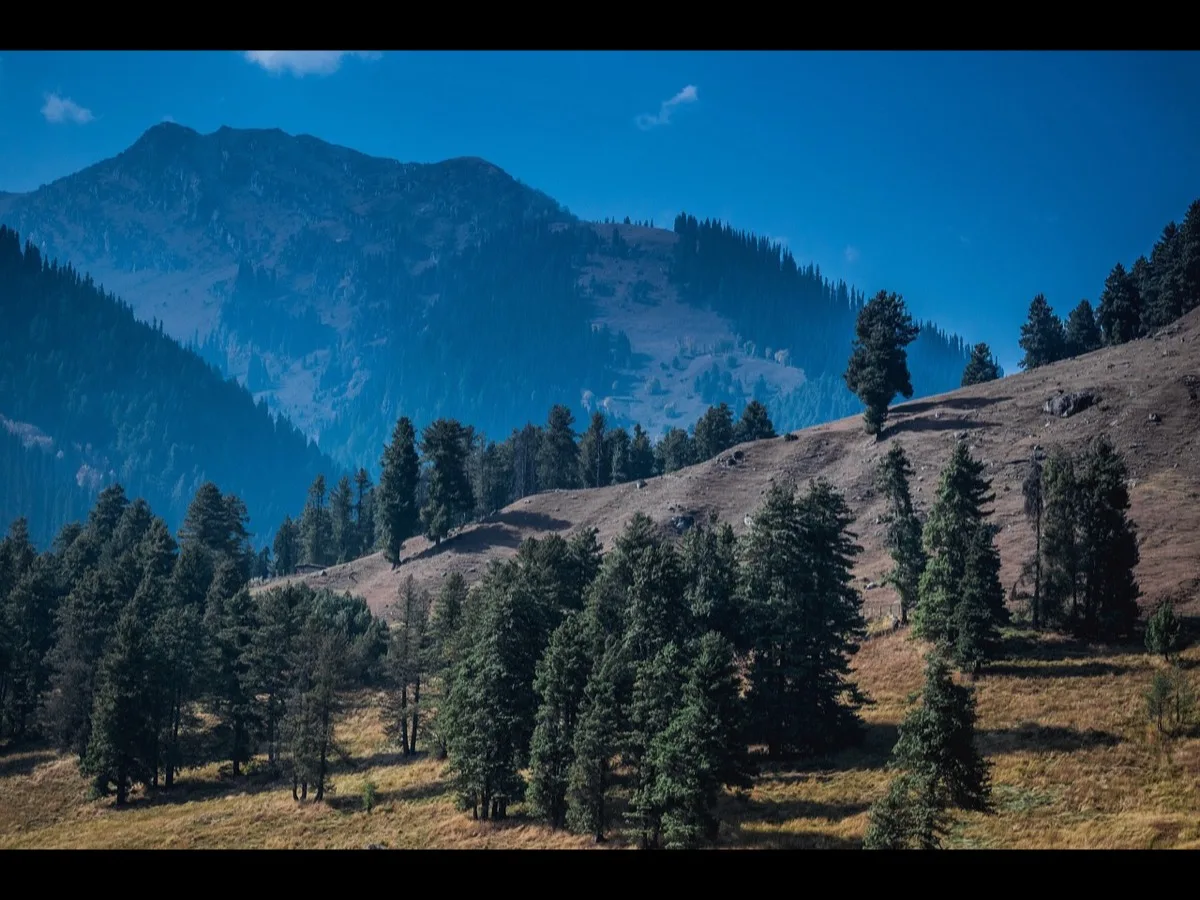
Playing Holi with Butter at Dayara Bugyal Holi in the monsoon, and with only butter and curd milk as the colours! Well, there is no need for us to be surprised. India is home to a vibrant culture, which is evident in the numerous festivals that are held periodically. A significant number of them are distinctive, while only a small number have their origins in the most remote regions. Some of these locations, which were previously unknown, are gradually gaining recognition as a result of the rise in tourism. One such location is Raithal, which is located in the Uttarkashi district of Uttarakhand. Raithal is a popular destination for adventurers, as it serves as the starting point for trekking expeditions to Dayara Bugyal and beyond. Raithal is a village that is particularly well-known for its cultural heritage and rich history, making it an ideal destination for tourists. This festival, which is nearly unparalleled in Indian traditions, is a component of this heritage. The festival is celebrated in the high meadows, which are located kilometres away from the village. This is fascinating. Dayara Bugyal is nearly at an elevation of 3,350 meters. It is undoubtedly one of the most stunning alpine meadows in this region of the Himalayas, as well as one of the largest. It occupies an area of nearly 28 square kilometres. There are numerous small glacial lakes, but only a small number are recognised for their vibrant fish. Every year, following the melting of the snow, this bugyal transforms into a flower carpet in the spring. Numerous herbal plants are also present in this region, and they have been employed by the local population as medicinal agents for generations. The meadows are enveloped in a lush, green grass cover during the spring. At that time, the villagers of Raithal will send their cattle to graze in the meadows, along with a few shepherds. They will remain there for an extended period of time. Shepherd will erect tiny, temporary huts in that location. The villagers are of the opinion that the quality and quantity of their milk will improve significantly as a result of the profusion of medicinal plants and rich grass, which will improve the health of their livestock. They remain in place until the commencement of the rainfall.
When the cattle are healthy and ready to return, the villagers of Raithal will travel to Dayara in the Hindu month of Bhadrapad (typically August, but this may differ). The Butter festival commemorates their return. Anduri was the traditional name of the festival. This is a method by which they express gratitude to nature for its bounties, as well as to ensure the health of their cattle. While the festival is commemorated for a single day, the preparations for it extend over several weeks. The villagers will inform everyone that their livestock is returning to the village, and they will invite their closest friends and family members to attend the festival. They will adorn the barns or sheds and the homes with flowers. As is customary, the entrances will be adorned with pooris, which are deep-fried puffy Indian bread. Previously, the guests were subjected to the sprinkling of cow dung; however, milk and butter were substituted for the latter. As this festival has begun to draw travellers, it is becoming increasingly elaborate in order to enhance its visual appeal. Dahi-handi is conducted in the same manner as the Janmashtami celebrations in Maharashtra, and a fair is held. At Dayara, the entire village will convene with an abundance of butter and buttermilk. They will apply butter to their faces, similar to the way we use colour in Holi, and then throw and pour butter milk on each other. Buttermilk-filled water guns will be implemented in a significant manner. Now that the tourism department is involved in the festival, it has a more diverse ambiance. People will be clad in traditional attire, and folk music and dances such as Dhimai and Mithi will be organised.
Methods for attaining
Uttarkashi district headquarters are situated 32 kilometres from the village of Bhatwari, which is situated on the route to Gangotri from Uttarkashi. A diversion is located on a winding road that ascends the hill. Raithal is situated nearly ten kilometres from that location. That is the final roadhead. To reach the beginning of the meadows, one must travel for a minimum of eight kilometres from this location to Dayara Bugyal. You are permitted to travel by personal vehicle up to Raithal. To reach Gangotri from Uttarkashi, you may also board any bus and disembark at Bhatwari. Subsequently, you may utilise shared transportation to travel to Raithal.From May to October, Dayara is a verdant and picturesque destination. From December to March, it experiences substantial snowfall. The entire meadow undergoes a whiteout. This location is also well-suited for skiing activities, as it boasts extensive, moderate slopes and an abundance of snow.
Keep Reading
View All Articles-
Diwali Significance, History & 5-Day Festival Guide
Explore the spiritual meaning, myths, and history of Diwali. Discover the significance of the 5-day celebration of the festival of lights
-
Dussehra Festival in India : Celebrations in Almora, Kullu, and Mysore
Dussehra, also known as Vijayadashami, is one of India’s most celebrated festivals, symbolizing the victory of good over evil. This article explains the meaning of Dussehra, its connection with Navratri, Ramayana, and the defeat of Mahishasura, along with traditional customs followed across Indian states.
-
The Saga Dawa Festival : Holy Period of Himalaya
The cultural and spiritual landscape of the Himalayan region is profoundly shaped by Saga Dawa, a holy period observed across Tibet, Ladakh, Sikkim, Nepal, and the wider Himalayan world.